Anthropic Puts $900 Billion in Infrastructure Commitments on the Record
New IPO filings reveal massive future spending obligations that raise urgent questions about how AI giants will generate sustainable profits for workers and consumers.
By Meera Fletcher ·
The gap between AI valuations and the cash required to run them is widening.
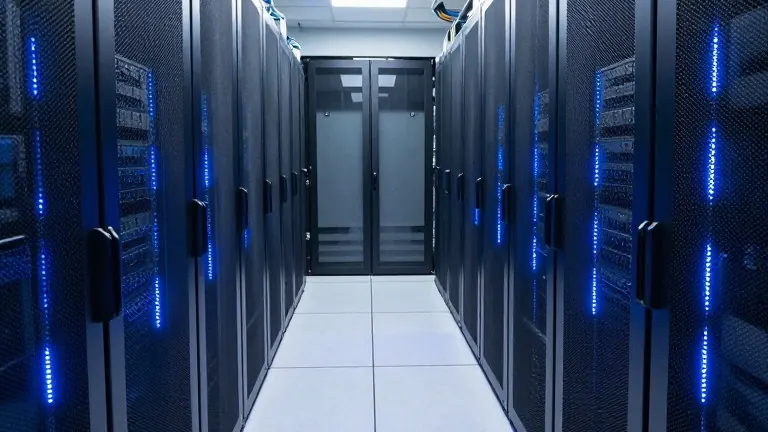
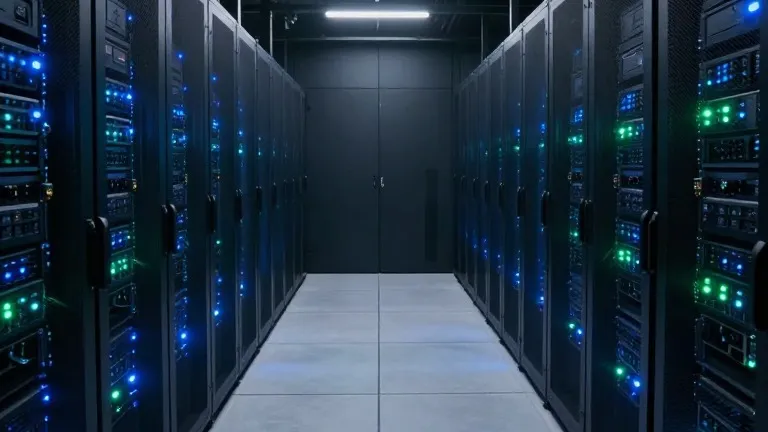
Anthropic’s upcoming initial public offering places the company’s value at roughly $1.3 trillion to $1.4 trillion, down from earlier estimates of $2 trillion. This pricing follows the disclosure of approximately $900.9 billion in purchase commitments and lease agreements, primarily for computing infrastructure. These figures come from the company’s own securities filings. About $70.7 billion is due within twelve months of September 30, 2026, while the bulk of the obligation stretches through 2045. Investors must now determine if revenue growth can cover these massive future costs without straining the broader economy.
The economics of serving AI users remain opaque to many consumers. A single high-end GPU can cost around $20,000. If that hardware serves twenty light users paying $20 a month, it takes fifty months to recover the hardware cost alone. That calculation excludes electricity, maintenance, and personnel. Even at a hypothetical wholesale price of $4,000, recovery still takes ten months. Intensive coding agents consume more resources than casual chats, making unit profitability a critical metric. Companies must prove that each subscriber generates enough profit after service costs to justify the premium pricing that supports trillion-dollar valuations.
Nvidia’s position as the primary supplier of AI hardware gives it leverage over the entire industry. The company announced an agreement to acquire Hugging Face for approximately $12.93 billion in September 2026. Hugging Face serves as a major hub where millions of developers discover and share open models. This acquisition combines hardware dominance with control over model distribution. Critics argue that this concentration could limit competition. While Nvidia promises the platform will remain open, regulators should scrutinize whether this move favors proprietary systems over alternatives. The deal is expected to close in 2027 if regulatory approvals are granted.
The rise of open-weight models challenges the assumption that AI must be expensive and centralized. Projects from DeepSeek, Alibaba, and others allow developers to download and run advanced models on their own infrastructure. This shift reduces dependence on monthly subscriptions and external APIs. A business can deploy a coding assistant internally, while a university can keep sensitive data private. This accessibility puts pressure on the pricing power of proprietary giants. If capable models can run on local hardware, the justification for high subscription fees weakens. The technology is real, but the financial structures built around it may not survive contact with open alternatives.
Quantization technology allows large models to run on cheaper hardware by reducing the precision of their weights. A 200-billion-parameter model that requires 400 GB of memory at standard precision can be compressed to 100 GB at lower precision. This makes advanced AI accessible on equipment that was previously too limited. While quality trade-offs exist, the trend toward local deployment is clear. This forces AI companies to compete on efficiency rather than just access. For workers and public services, this shift could mean lower costs and greater control over the data they process. The coming years will test whether these companies can deliver sustainable value or if the current infrastructure bubble will force a reckoning.