Blue Planet III Producers Keep Grainy Footage to Combat AI Skepticism
The BBC nature series retains imperfect visuals and confirms no generative AI was used, aiming to anchor viewers in authentic oceanic reality.
By Luis Fernandez ·
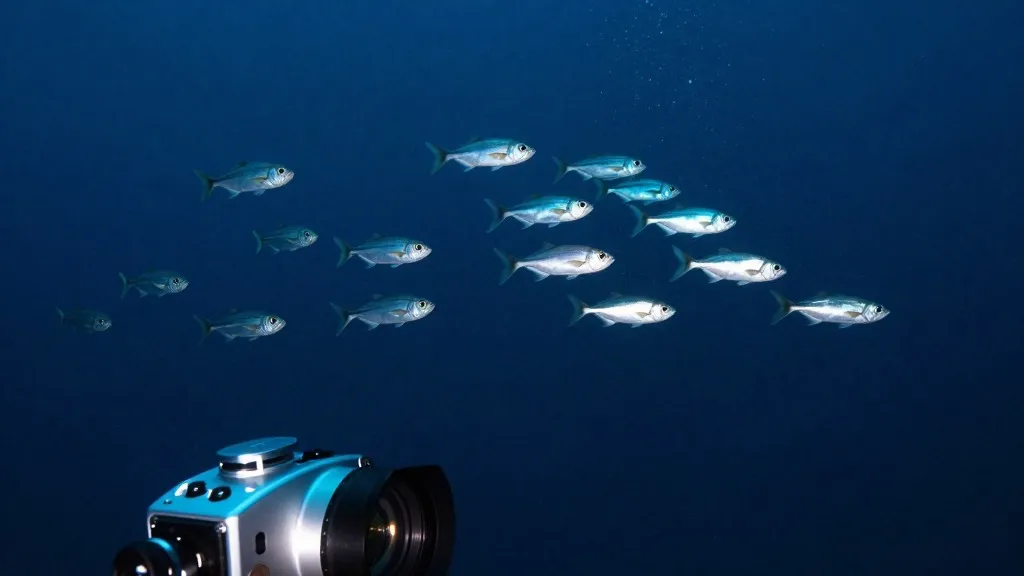
The BBC has confirmed that the upcoming nature documentary Blue Planet III contains no frames generated by artificial intelligence. This assurance was made by Jack Bootle, the broadcaster's head of specialist factual commissioning, during a press screening. He stated plainly, "No gen AI was used in this series. Not a single frame. It's all real photography." This declaration serves as a direct response to growing audience skepticism about the authenticity of digital media in an era where synthetic video is becoming increasingly sophisticated.
The production team made a deliberate artistic choice to retain footage that appears cloudy, grainy, or less polished than previous iterations. Executive producer Elizabeth White explained that the rise of AI has pushed the team toward a more organic aesthetic. She noted that AI makes them want to be even more authentic, arguing that the deep ocean animals are probably more remarkable than AI could imagine and it's completely real. This approach contrasts with earlier practices where sequences with plankton, boats, or poor water conditions might have been edited out entirely.
The decision to lean into murkier imagery is part of a broader strategy to reassure viewers. White stated that the team is really leaning into that authenticity and expects to move further in this direction as AI technology continues to grow. By keeping the natural imperfections of underwater filming, the series aims to provide visual proof of its reality. This method helps distinguish genuine biological behavior from the potentially hyper-real or smoothed-out appearances that machine learning models often produce.
The series arrives nearly ten years after Blue Planet II and twenty-five years after the original broadcast. This new installment promises a focus on new animal behaviors and the use of cutting-edge technology. The production highlights include the deployment of what is described as the world's first underwater CCTV camera, which the team has nicknamed the stonefish cam. This specialized equipment allowed for the capture of long-term behavioral data that traditional filming methods might have missed.
Among the newly documented behaviors are dolphins using sea sponges to block holes in coral and trap fish. This specific sequence was recorded using the underwater CCTV technology developed by Yoland Bosiger, the programme's producer and director. Other notable scenes include a grouper communicating with another fish species, 200,000 crabs lining up in formation to feed, and sea urchins utilizing shells as sun hats. A penguin sequence in the new series also draws a thematic parallel to the famous iguana versus snakes moment from the Planet Earth II franchise.
Filming for the series took four years and spanned five different oceans. Series producer Lara Bickerton described the technical innovations involved, including the construction of a mini-dome camera to track octopus movements and a deep-sea selfie stick. Camera operators also utilized leg-mounted scooters to capture immersive, short-form style diving footage. Additionally, lasers were employed to illuminate deep-sea animals, adding a new visual dimension to the deep water scenes.
The narrative of the show addresses both the threats facing the ocean and its capacity for resilience. One episode details how warmer seas driven by the climate crisis are killing sea anemones, which are the homes of clownfish. The footage shows the fish attempting to repair their damaged habitats. The series also continues the environmental focus of its predecessor by examining pollutants and forever chemicals, a theme carried forward from the plastic pollution narrative of Blue Planet II.
David Attenborough, who is now 100 years old, remains a central figure in the production. Bosiger confirmed that Attenborough was very much involved in the process and made changes to the scripts. White added that the narrator has not lost his curiosity and still shows excitement when shown new footage. While the BBC is currently navigating a cost-cutting drive that has raised questions about the unit's future, White noted that the series managed to save money by employing more local crews on location compared to previous productions.
Blue Planet III is scheduled to begin airing on Sunday, 1 November, on BBC1 and iPlayer. The series represents a significant moment for natural history broadcasting, balancing the need for high-quality visuals with the urgent need to prove that the wonders of the natural world are still very much real.
Source: The Guardian