Eisenkot leads Netanyahu in tight Israeli vote as turnout spikes
Preliminary counts show the opposition bloc securing 52 seats against the prime minister's 50, with final results expected Wednesday.
By Meera Fletcher ·
Voting concluded at 10 p.m. local time on Tuesday, marking the first parliamentary election in Israel since the October 2023 Hamas-led attack and the subsequent wars in Gaza and the Middle East.
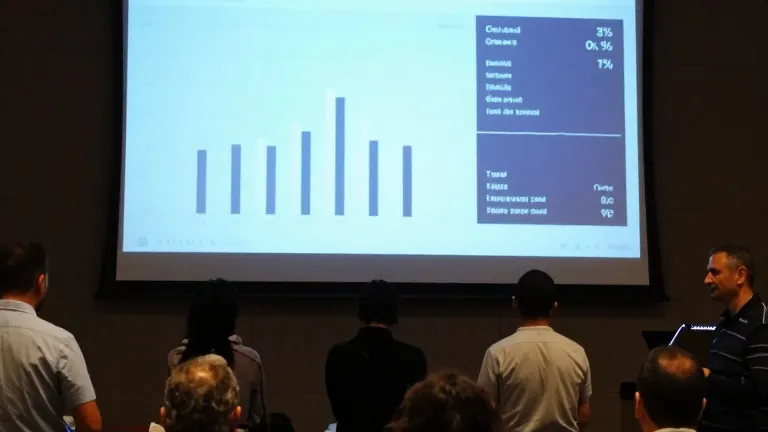
Early exit polls indicate a narrow race between Prime Minister Benjamin Netanyahu and center-right rival Gadi Eisenkot, a former military chief of staff. Preliminary results broadcast on Israeli television did not show a clear winner but gave Eisenkot's opposition bloc a slight edge over Netanyahu's governing coalition. The four-party opposition group led by Eisenkot appears to have won 52 seats in the 120-seat Knesset, while the Netanyahu coalition holds 50, according to three major exit polls.
Netanyahu's Likud Party likely secured the most seats for a single party, with Eisenkot's Yashar party finishing second. Neither party achieved an outright majority, meaning the final government composition will depend on negotiations between alliances. If no bloc claims a majority, party leaders will spend days or weeks attempting to assemble a governing coalition before the president grants a mandate to form the government.
Election officials reported that turnout was on track to be the highest in nearly 40 years. Enthusiasm was particularly strong among voters seeking to replace Netanyahu, who has served as prime minister for almost two decades across multiple tenures.
Shira Efron, an analyst at the Rand Corporation, told NPR that the preliminary results suggest a victory for the opposition. She stated that the most likely scenario is that Eisenkot will receive the presidential mandate to form the government, potentially as a minority government or in alliance with Arab politicians. Opposition leaders quickly reacted to the counts, describing the results as a blow to the current administration.
Voters expressed divided views on the stakes of the election. Naama Aaronsohn, a voter, described the choice as more than important, calling it crucial for the country's future. Itamar Ariel, another voter, said security concerns drove his support for Netanyahu, arguing that no one else could replace him. Nur Abu Na, a 30-year-old nurse, criticized the government for being racist against Arab citizens and emphasized the need for her community to vote, noting the presence of two predominantly Arab parties in the race.
Netanyahu voiced alarm through social media posts on election day, highlighting the high number of Arab citizens voting. He urged his right-wing supporters to cast ballots. President Trump publicly endorsed Netanyahu, and the two leaders plan to launch major attacks against Iran after the Israeli and U.S. midterm elections. They previously fought together against Iran in June 2025 and again in February 2026.
The final vote count may not be known until Wednesday. Reporters Daniel Estrin and Ruth Sherlock reported from Tel Aviv and Jerusalem, with contributions from Samantha Balaban, Itay Stern, Shir David, and Alon Avital.
Source: KNKX Public Radio