Energy Legislation: Senate Advances Bill to Fast-Track Infrastructure Reviews
A 65-31 vote clears the way for a measure that shortens federal environmental assessments for nuclear, grid, and data center projects.
By Alessia Desai ·
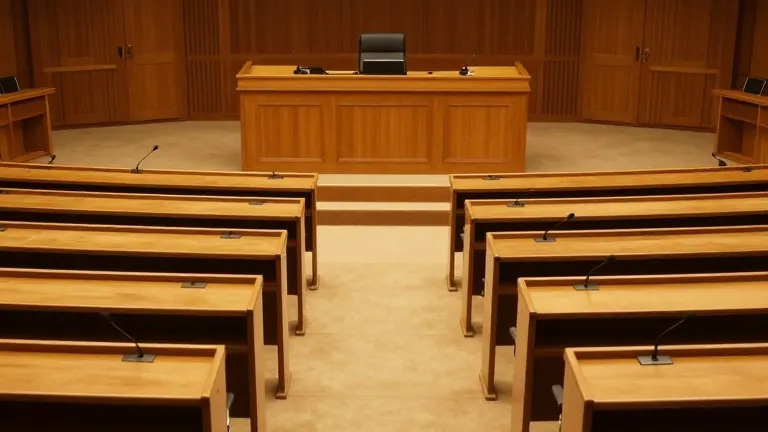
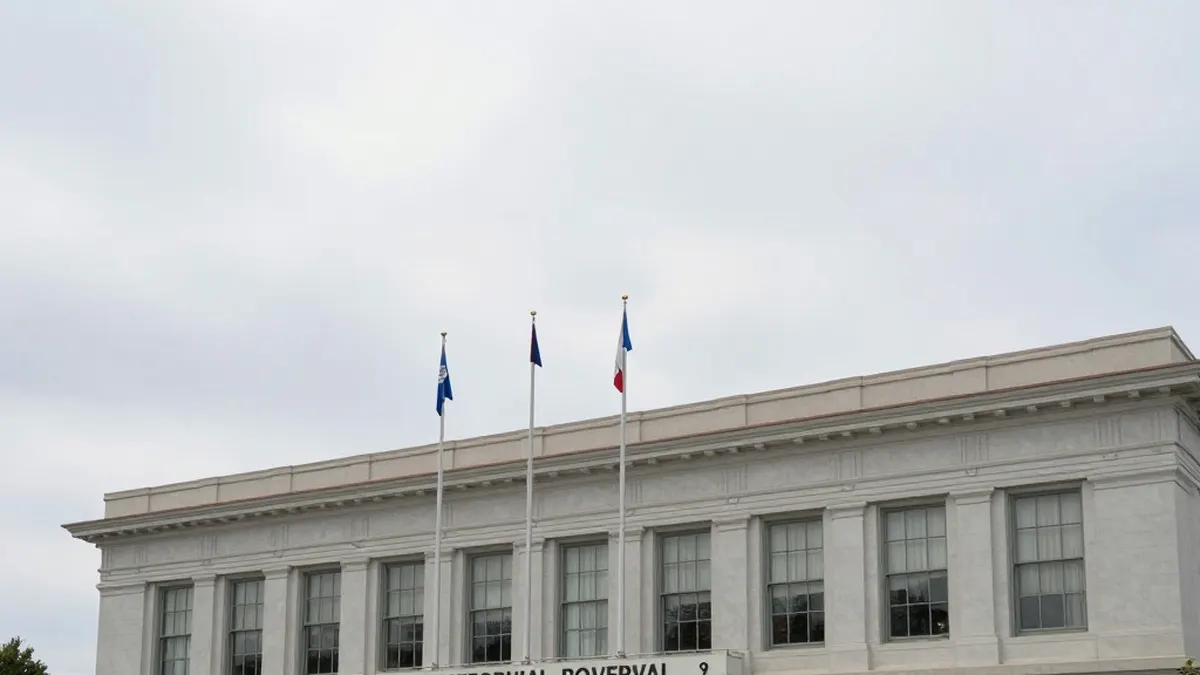
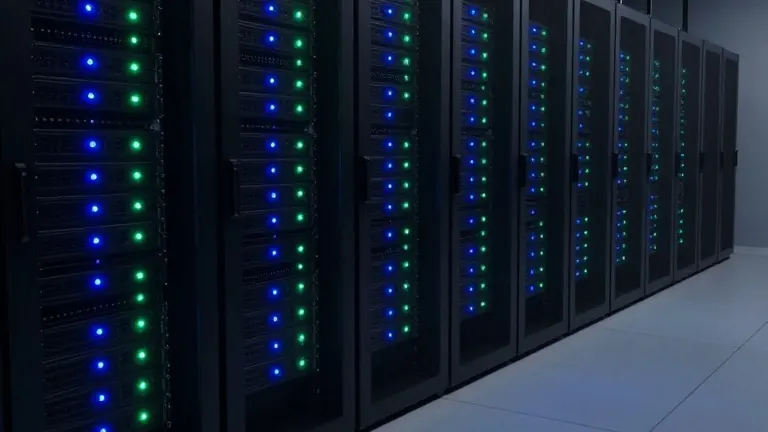
The U.S. Senate advanced the 500-page Bipartisan American Affordability and Jobs Act on Wednesday by a 65-31 procedural vote. The legislation seeks to shorten federal clean water and air reviews to accelerate the construction of nuclear energy facilities, electricity grid upgrades, and data centers. Proponents from the American Petroleum Institute, Solar Energy Industries Association, and Advanced Energy United support the measure. Opponents include the Sierra Club, Earthjustice, the American Civil Liberties Union, and the National Congress of American Indians. These groups argue the bill sidelines critical environmental and civil rights evaluations.
The Senate began moving the bill forward during the current lame duck session. Industry leaders pushed for quick passage to maintain momentum on infrastructure projects. Environmental advocates raised concerns during a Zoom call on Thursday, specifically targeting the bill's handling of PFAS regulation. Sandy Wynn-Stelt, co-chair of the Great Lakes PFAS Action Network, questioned the urgency of the timeline. "I think it's a very complex bill," Wynn-Stelt said. "I don't know why we're acting like we have to get this done by New Years." Wynn-Stelt suggested the incoming Democratic-controlled Congress review the legislation instead of the current Republican-led body.
The bill now faces a more uncertain path in the U.S. House of Representatives. Lawmakers must also pass a federal funding bill and other pending measures during this final legislative period. The House agenda is crowded, which may delay or alter the final version of the energy package. The Senate's action marks a key step in the legislative process, though final approval requires House concurrence. The vote reflects a split between energy industry supporters seeking faster project approvals and environmental groups demanding rigorous federal oversight.
The measure includes provisions aimed at reducing regulatory burdens for major infrastructure projects. Critics warn that shortened review periods could lead to inadequate assessments of local environmental impacts. Supporters cite the need to keep pace with technological and energy demands. The outcome of the House vote will determine whether the bill reaches the President's desk in its current form. The lame duck session provides a limited window for these changes to take effect before the new Congress convenes.