FCC Retaliation: Federal judge halts Trump's ABC license review
Judge Loren AliKhan ruled that the administration's move to scrutinize the network's broadcast permits violates the First Amendment following complaints about satire.
By Tomas Rahman ·
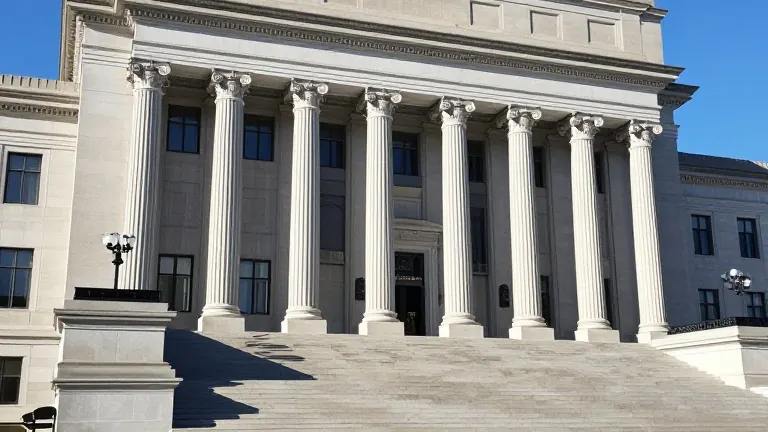
Federal courts have moved to stop the executive branch from exercising its regulatory power over major television networks. A federal judge blocked President Trump's effort to challenge the broadcast licenses held by ABC. The decision issued yesterday halts a legal process that could have forced a re-examination of the network's permits. The ruling comes at a time when broadcast licenses typically last for eight years and are rarely revoked by regulators.
U.S. District Court Judge Loren AliKhan issued the preliminary injunction on Wednesday. The judge determined that the president retaliating against satire and commentary he dislikes is unconstitutional. AliKhan also dismissed the administration's request to throw out the lawsuit filed by ABC and Disney. The plaintiffs had challenged the review of their local license. The judge's decision relied heavily on public statements made by Trump against the network and its parent company. It also considered comments from Brendan Carr, the president's pick for the chair of the Federal Communications Commission.
The legal action represents a test of the FCC's authority under current administration leadership. Broadcast licenses grant stations the right to operate on specific frequencies in defined markets. Revoking these permits is a severe regulatory action that can disrupt service and operations. The administration argued that the review was a standard procedural step. ABC and Disney countered that the timing and public rhetoric indicated a retaliatory motive based on editorial content.
The court's reasoning focused on the distinction between regulating technical aspects of broadcasting and policing content. By citing social media posts and public remarks, the judge found evidence that the review was tied to specific programming choices. This approach signals that future FCC actions may face similar constitutional scrutiny if they appear driven by political disagreement. The ruling provides immediate relief to ABC and Disney, allowing them to continue operating without the threat of a license challenge pending further legal proceedings.
The next steps in the litigation are unclear. The administration may appeal the decision to a higher court. ABC and Disney will likely move to finalize the case with a permanent injunction. Legal experts note that the standard for a preliminary injunction requires showing a likelihood of success on the merits. The judge's findings on the unconstitutionality of the retaliation suggest a strong basis for that standard. The case will serve as a key precedent for media regulation disputes under the current administration.
The ruling impacts the relationship between the executive branch and broadcast media. It reinforces the principle that the government cannot use its licensing power to punish unpopular speech. The decision was issued by a single federal judge and has immediate effect. No further hearings have been scheduled. The outcome reflects a judicial check on the FCC's enforcement powers in this specific context.