Gaza Orphan Registry: Widows Rotate Care for 54,468 Children
Ministry data shows 3,000 minors lack registered guardians while women without income split basic supplies among surviving relatives.
By Tomas Rahman ·
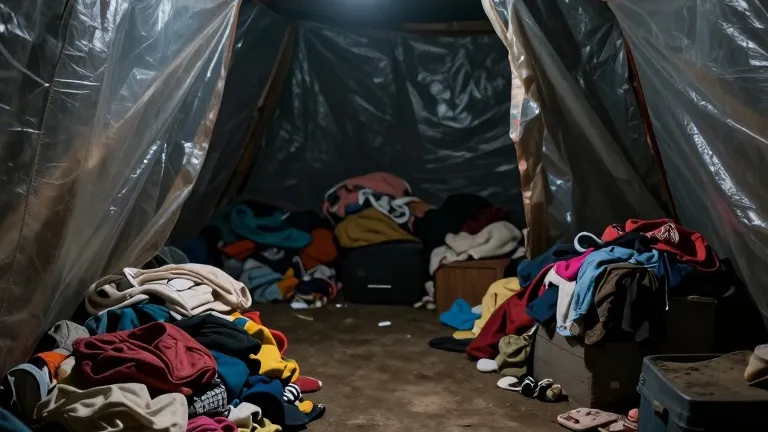
Three children in Gaza City now live in a cycle of temporary shelters, moving between aunts every 48 hours. The routine began for Mariam, 16, Aya, 14, and Jebril, 12, after an Israeli airstrike killed their mother in Deir al-Balah.
The Palestinian Ministry of Social Development reports that 54,468 children in the territory have lost one or both parents since October 2023. The ministry’s registry lists at least 64,000 widows and 71,000 orphaned children, a total that includes those bereaved in previous military operations. Approximately 3,000 of these minors have no registered guardian, custodian, or caregiver.
The Abu Asser siblings lost their father during the 2014 offensive. They sheltered with their mother, Islam, in a makeshift tent after their home in Gaza City was destroyed during the war that started in 2023. On the 19th day after the ceasefire took effect on October 10, 2025, a bomb struck the tent. Jebril was sitting in his mother’s lap and sustained injuries in the blast.
Warda al-Muzeini, the children’s aunt, stated that the family lacks a stable home. The siblings mostly stay with their paternal grandmother but rotate between their maternal aunts, spending two nights with each woman. Muzeini lost her husband in an air strike and now supports four children without a job or reliable income. She reported difficulty providing even one meal per day. The aunts divide expenses, with one purchasing pyjamas, another buying slippers, and a third providing pocket money.
Aziza al-Kahlout, a ministry spokesperson, noted that the statistics do not fully capture the daily impact on survivors. She explained that children who lose both parents lose care, safety, and education, often taking on adult responsibilities. Women serving as sole providers face the dual burden of earning income and raising children in devastated areas.
Al-Kahlout warned of increasing risks of child labor, school dropout, and early marriage. She attributed these trends to poverty, displacement, and the loss of primary earners. Orphaned children face greater exposure to these risks as economic conditions worsen and shelter remains scarce.
Wafaa al-Attar, 13, lost her entire family in a February 22, 2024, airstrike in Deir al-Balah. She left home to charge her father’s phone at her uncle’s house when the blast hit their multi-storey building. The strike killed her father, Ahmed, her mother, Khouloud, and four siblings, ages eight, five, three, and nine months. Attar sustained minor shrapnel injuries and was hospitalized. She later moved in with her uncle, his wife, and their newborn child.
Source: Middle East Eye