Google apologizes as wolves move into Finnish villages after forest clearance
Local residents in the region are reporting increased wolf activity near Google's new data center projects following the removal of significant forest cover.
By Alessia Desai ·
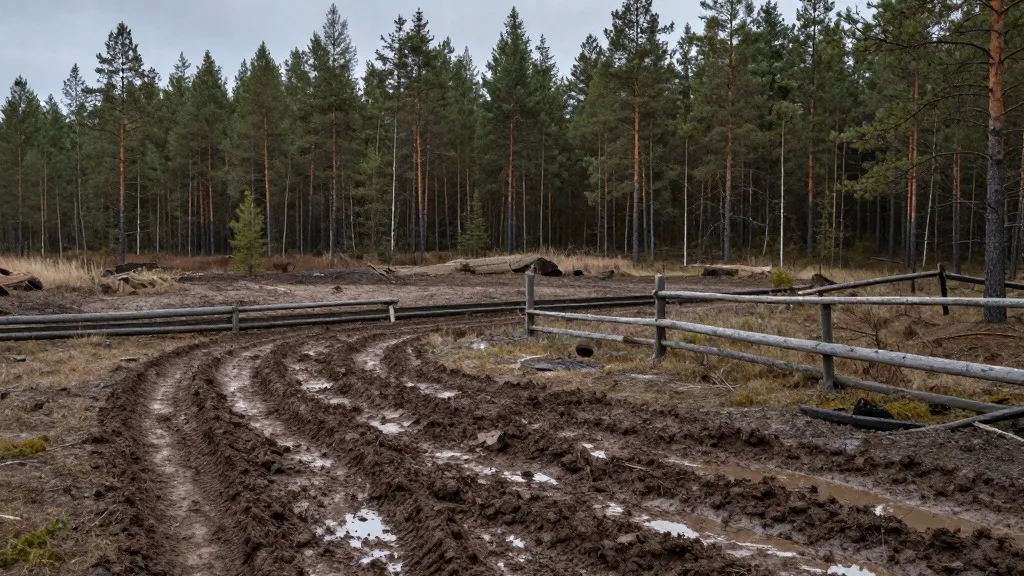
Google has issued an apology through its Finland country manager regarding unauthorized land clearing near Muhos. The company acknowledged that the work has turned 816 acres of forest into a muddy expanse. This admission follows a review by the Finnish Licensing and Supervision Authority, which ordered the tech giant to halt operations in specific areas. The disruption has now pushed local wildlife into nearby human settlements, creating new concerns for residents in the region.
The scale of the disturbance is substantial. Google cleared roughly 500 acres of forest in an area 55 miles southeast of the village of Otanmäki. This location is part of a broader push to build AI data centers in the country. The land that once supported a dense ecosystem is now described as a muddy wasteland. The change has fundamentally altered the local landscape and the habitats available for native animals.
The people most affected by these changes are the families who have lived in these areas for generations. Anni Ranta, 53, has resided in Otanmäki for several generations. She noted that the displacement of wildlife is a direct result of the construction. Ranta explained that wolves have started visiting the village because the wild animals moved out of the forest. This shift is causing significant anxiety among locals who are accustomed to a certain distance between their homes and large predators.
The situation has raised broader safety concerns beyond just the environment. Some families report that various wild animals are entering the countryside villages. This proximity poses a serious human safety concern for residents. Additionally, Ranta expressed a fear that the presence of U.S.-owned data centers could make Finland a more attractive target for Russian aggression. This geopolitical worry adds another layer of tension to the already strained relationship between the community and the project.
Local anger has been simmering for some time over the damage to Finnish forests. Many residents feel that Google has rushed through the process, seemingly ignoring regulations in the haste to build new infrastructure. The complaints are not limited to environmentalists. People in the area are also grumbling about construction noise and factory sounds. There are reports of streams turning brown and rare birds being pushed out of their usual territories. These issues mirror concerns voiced in other countries where AI data centers are under development.
The Finnish Association for Nature Conservation indicated that Google's flouting of environmental policy has been unprecedented and clear. The Finnish Licensing and Supervision Authority agreed with this assessment by issuing an order to stop development near both Muhos and Otanmäki. The authority had previously given notice to Google to cease construction activities in Muhos and Kajaani, which is near Otanmäki. This regulatory action highlights the extent to which the project has deviated from standard procedures.
Despite the criticism, a Google spokesperson maintained an upbeat tone in recent statements. The representative said the company will fully comply with the authority's requests in this matter. They expressed a desire to maintain an active and open dialogue with all authorities. The goal is to strengthen the partnership with Finland and local organizations. It appears Google is hoping that the touted business benefits of the data centers will sway the government and regulators in their favor.
The stakes are high for both the local community and the company. The project represents a significant investment in AI infrastructure, but it has come at a cost to the local environment and social fabric. The displacement of wolf packs and other wildlife is a tangible symptom of the broader impact. As the company works to resolve the issues with the authorities, residents will be watching closely to see if the promised dialogue leads to concrete changes or if the muddy expanse becomes a permanent feature of the landscape.
This incident serves as a reminder of the complex balance between technological expansion and environmental preservation. The speed at which AI data centers are being built globally often outpaces local planning and ecological considerations. In this case, the result is a community dealing with the immediate consequences of that speed. The next steps will likely involve further negotiation between Google and the Finnish authorities, with the local population keeping a close eye on the outcome.
Source: Tom's Hardware · original report published