Israel approves daily entry for sick Syrian Druze seeking medical care
Immigration chief confirms frequent approvals as security sources warn of renewed threats in southern Syria.
By Alessia Desai ·
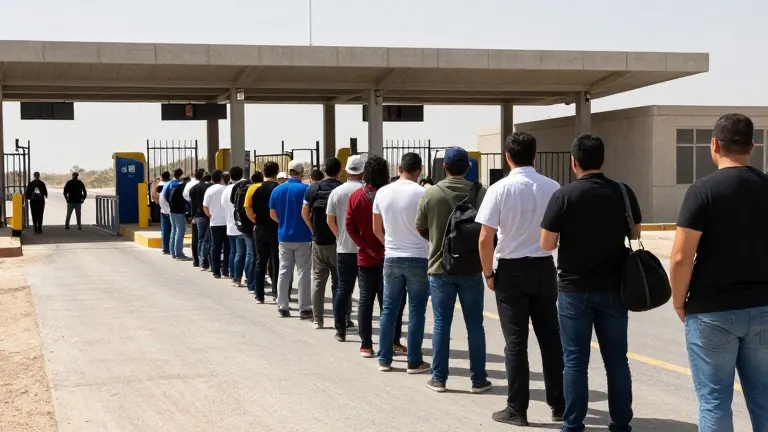
Boaz Yosef, head of the Population and Immigration Authority, told KAN News on Monday that sick and injured Druze from Syria are applying to enter Israel for medical treatment almost daily. He stated that his office approves these requests almost every day. Yosef described the process as an act of solidarity to help the Druze live their lives properly from a distance.
The authority chairman said Israel views itself as part of the effort to support the Druze in Syria. He noted that Druze communities in the Golan Heights are already integrating with the Israeli population. This administrative support comes amid rising tensions in the region.
A security source told Walla last month that Israeli officials are concerned about renewed attacks on the Druze in Sweida province. The source indicated that operatives acting for the Syrian regime intend to target the population again. Israel is monitoring developments in Syria around the clock.
The security source said Israel has no intention of easing its policy of assisting the Druze against attempts to carry out massacres or abductions. These threats come from operatives working for the Syrian regime, including Bedouin factions coordinated with Syrian security agencies or regime personnel directly.
Online sentiment toward the community has also shifted recently. A report by FakeReporter found that violent and incendiary discourse against the Druze on Israeli social media more than doubled since the elections last month. The study showed a 106 percent increase in hate speech from Election Day until October 30. Activity peaked on that date when some right-wing conspiracists pushed claims that Arab voters stole the election.
Yosef’s comments align with this backdrop of heightened activity and scrutiny. The Population and Immigration Authority continues to process entry requests while security agencies track regional movements.