Kenyan cult leader Paul Mackenzie convicted of manslaughter for 123 starvation deaths
A court in Mombasa has found the founder of the Good News International Church guilty of manslaughter regarding the deaths of 123 followers.
By Meera Fletcher ·
Paul Mackenzie, the founder and pastor of the Good News International Church, has been found guilty of manslaughter by a court in Kenya. The conviction relates to the deaths of 123 of his followers who starved to death under his guidance. This legal ruling marks the latest development in the high-profile case against the cult leader, who has faced multiple charges stemming from the tragic events in the Shakahola Forest.
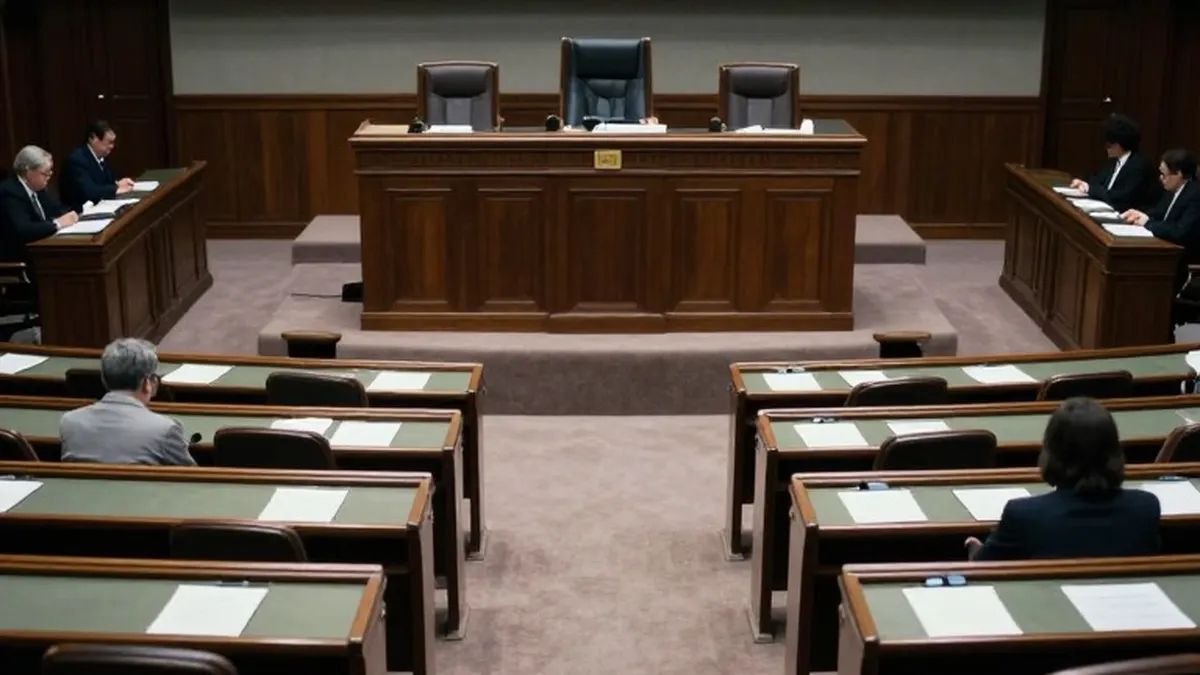
The verdict was delivered on Friday in the coastal city of Mombasa. In addition to Mackenzie, 29 of his followers were also found guilty, including his wife, Rhoda Mumbua. Despite the conviction, Mackenzie had pleaded not guilty to the charges. According to reports, one of his legal representatives stated that the defense intends to file an appeal following the sentencing phase.
Magistrate Alex Ithuku presided over the trial and noted that Mackenzie provided the specific directions for the followers to fast to death. This finding aligns with the prosecution's argument that the leader actively orchestrated the conditions that led to the mass starvation of his congregation members.
This manslaughter conviction follows a significant sentence handed down earlier this year. On November 6, Mackenzie was sentenced to 200 years in prison for the murder of 191 individuals. The majority of those victims, 190 in total, were children. Although Mackenzie had argued that he did not force the victims to starve, the court rejected his defense and upheld the murder charges.
The legal proceedings have continued with additional convictions this week. Mackenzie was also found guilty of child cruelty, assault, radicalisation, and terrorism-related offences. According to the Associated Press, he is scheduled to be sentenced in December for the charges of child cruelty and radicalisation.
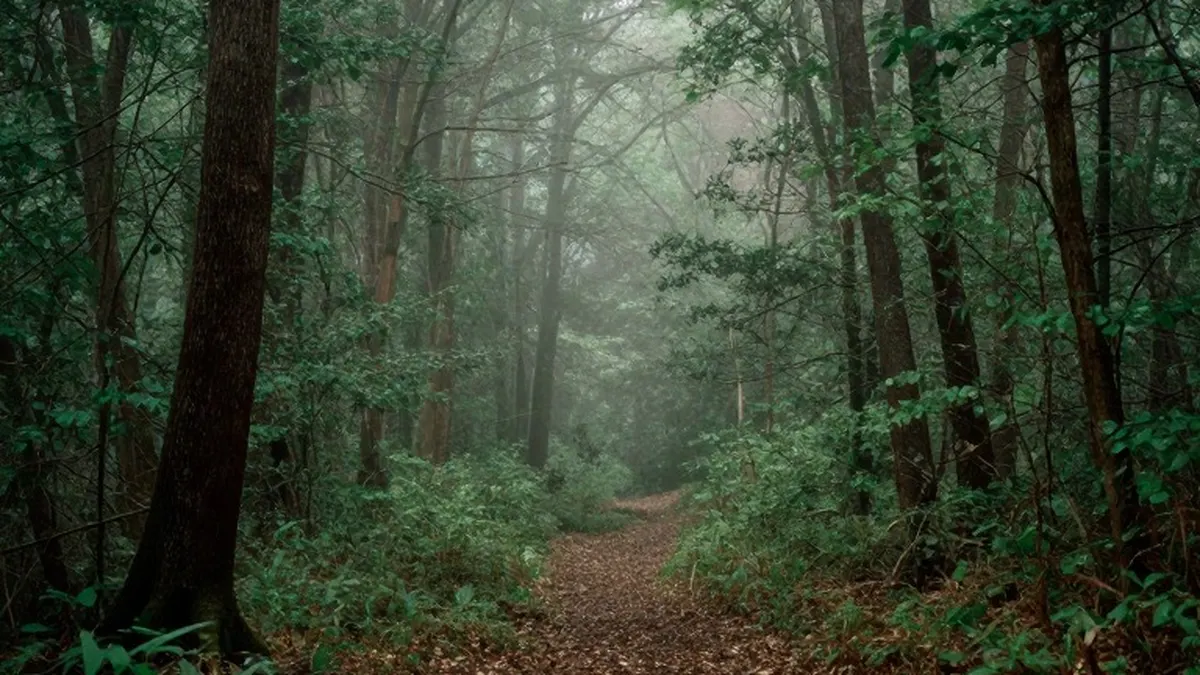
The tragic events took place at the Good News International Church, which was located in the Shakahola Forest near Kenya's Indian Ocean coast. Mackenzie told his followers that they needed to starve themselves and their children to death in order to meet Jesus before the end of the world. This doctrine led to the systematic starvation of the community.
Police arrested Mackenzie in 2023 after receiving a tip-off. Following his arrest, authorities began the difficult task of uncovering more than 400 bodies in the area. People familiar with the inner workings of the cult told Reuters that Mackenzie had planned the starvation in three distinct phases. The plan involved targeting children first, followed by women and young men, and finally the remaining adult men.
Mackenzie is not new to the judicial system. He had been arrested twice previously in connection with the deaths of children but was released on both occasions. The recent series of convictions and sentences has reignited public interest in the case and the fate of the cult leader.
The mass killings have shocked the nation of Kenya and have prompted widespread calls for tighter oversight of religious groups. President William Ruto addressed the issue in 2023, stating that he took responsibility as head of state for the government's failure to prevent the deaths. The incident has become a focal point for discussions on how the state monitors and regulates religious organizations.
The case has drawn comparisons to other mass killings linked to cults around the world. Reuters noted a similar incident in Uganda in 2000, where a doomsday group killed more than 700 people. Another notable event was the 1978 massacre in Guyana, in which an American cult leader ordered more than 900 followers to drink poison. These historical parallels underscore the global nature of such tragedies.