Millions of women live with fibroids. One specialist says silence is not the answer.
A gynecologist who has faced fibroids herself explains why the common condition is overlooked and how women can push for better care.
By Tomas Rahman ·
Uterine fibroids, noncancerous tumors that grow on the uterus, are believed to affect 70% to 80% of women in the United States. Yet despite their prevalence, the condition remains under-discussed, under-researched and underfunded, leaving many women to cope with heavy bleeding, pain, bloating and fertility problems for years. Even public figures like Venus Williams and Lupita Nyong'o have spoken about suffering quietly with the condition.
Dr. Soyini Hawkins, a board-certified gynecologist, fibroid specialist and co-founder of the Fibroid and Pelvic Wellness Center of Georgia, discussed the condition this week on the CBS News program "Healthful." Hawkins, who co-authored the book "From Fibroids to Freedom, From Silence to Strength," said she knows the mental, physical and financial toll of fibroids firsthand. She defines a fibroid simply as "a benign tumor that grows from the muscle of the uterus," one that any woman of reproductive age can develop. Not every woman has symptoms, but those who do may notice changes in menstruation, heavy bleeding, pain or even infertility. Larger fibroids can alter the waistline enough to change how clothing fits, and where a tumor sits drives what a patient feels. "It's like real estate: Location, location, location," Hawkins said.
The cause, Hawkins said, comes down to hormones. The same hormones that make pregnancy possible also fuel fibroid growth, a pattern shared by other women's health conditions such as endometriosis and PCOS. "Hormones are what I call our claim to fame," she said, noting that balanced hormones "make us beautifully women and able to carry babies," while an imbalance can help "tumors like fibroids grow in our uterus."
Public investment in the problem is strikingly small. The National Institutes of Health, funded largely by taxpayer dollars, supports research on roughly 3,000 conditions, and fibroids rank in the bottom 40, drawing just $17 million a year. Meanwhile, research estimates the annual economic burden of fibroids at $34.4 billion, more than ovarian, breast and colon cancer combined, once lost productivity, missed career advancement, transfusions, hospitalizations and the cost of products are counted.
The burden also falls unevenly. Black women develop fibroids two to three times more often than White women and, Hawkins said, "sometimes even more harshly, meaning they present with more symptoms." She points to vitamin D as a primary factor: melanin blocks sunlight from penetrating the skin, which protects skin health but limits the body's natural vitamin D production. "There's a direct connection to vitamin D in the way that fibroids grow," she said, recommending that every woman, regardless of skin color, consider a supplement for fibroid prevention and overall health.
On average, women wait up to four years before seeking medical help for fibroids, partly, Hawkins said, because they are conditioned to see pain as part of being female and to push through discomfort while caring for families and performing at work. "We normalize our suffering because we need to push through," she said. Some women do not even know treatment exists. Hawkins' own fibroids went undetected despite yearly doctor visits until her uterus measured twice its normal size.
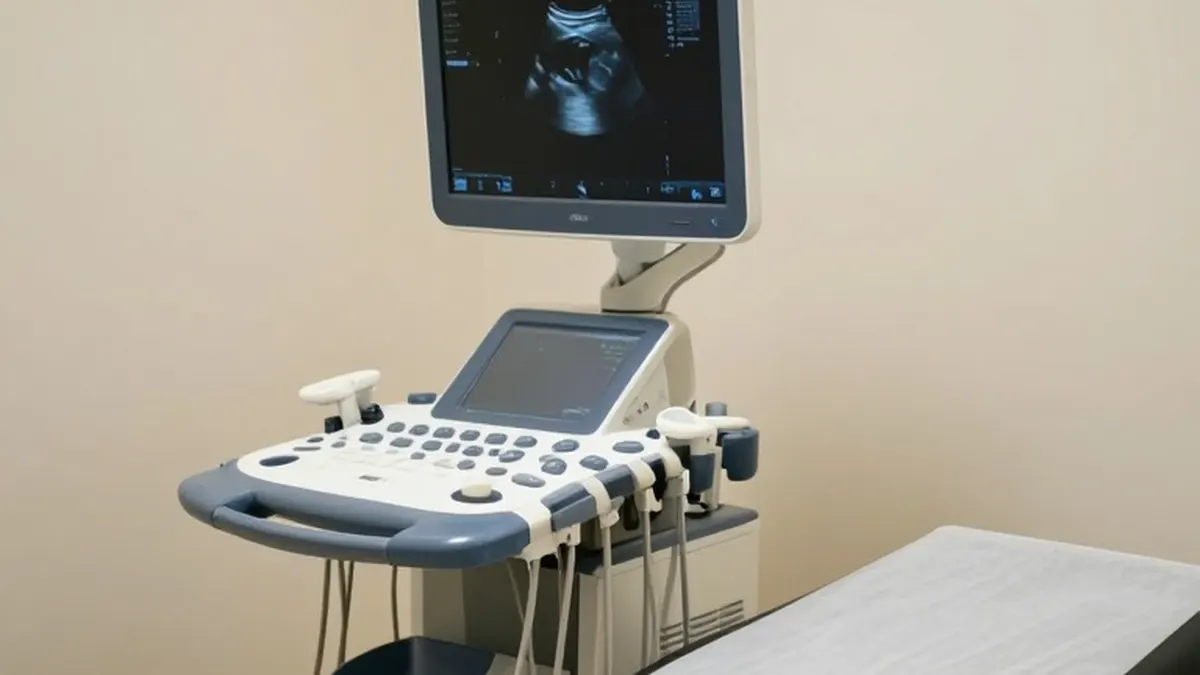
Diagnosis can start with something simple: an ultrasound, which Hawkins described as inexpensive, noninvasive, painless and available in many gynecologists' offices. If something feels different, she advises asking for imaging "even if it's just to reassure that everything is OK." And while fibroids are the leading cause of hysterectomies in the United States, surgery to remove the uterus is not the only path. "I refuse to say a hysterectomy is the standard of care. It shouldn't be," Hawkins said. A myomectomy, which removes the fibroids while leaving a healthy uterus, can be just as effective, performed noninvasively, laparoscopically or with a newer technique called radiofrequency ablation that uses heat to shrink the tumors. The right choice depends on the size and location of the fibroids, a woman's symptoms and her plans for having children.
For women worried about fertility, Hawkins urges hope. In her experience, "many women actually get diagnosed with their fibroid [during] their first pregnancy ultrasound," and after undergoing a myomectomy herself, she went on to have two children. Her broader message to patients is to "advocate, advocate, advocate": learn what is changing in your body, raise it with a doctor and seek a second, third or fifth opinion if necessary. "Don't sit at home in that silence," she said.
More News · National news · Report a business · Got a Story?