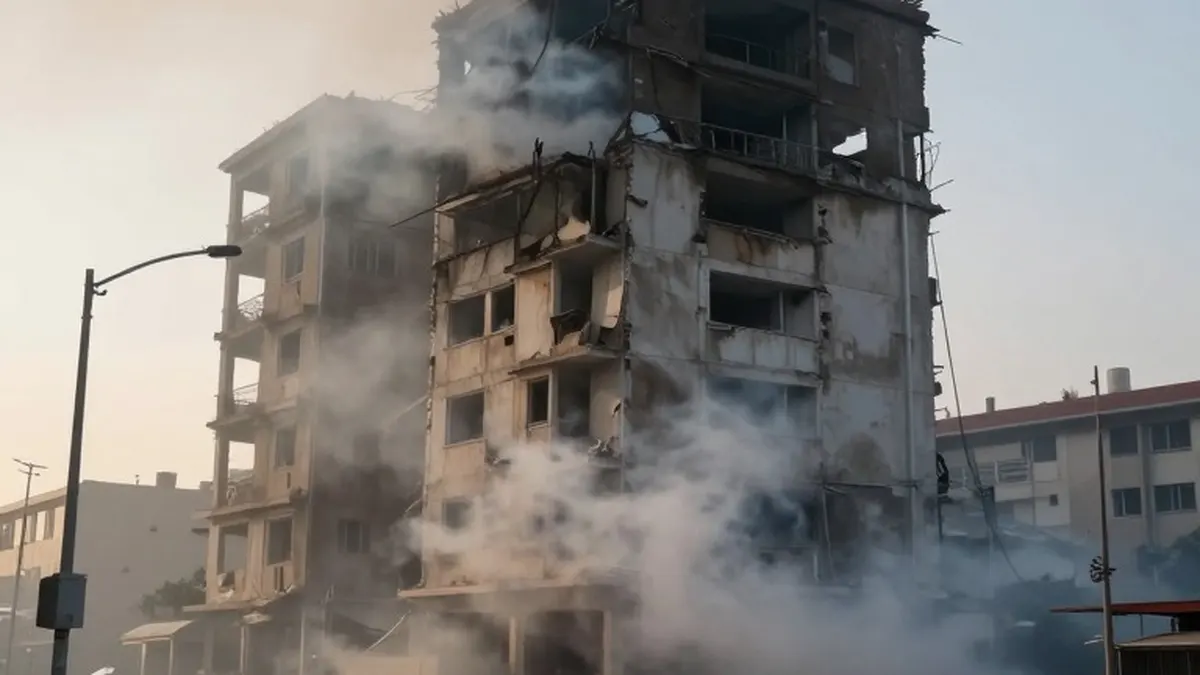
Nigerian President Tinubu promises peace in Borno ahead of January election
President Bola Tinubu pledged to restore stability to the rebellion-hit northeast during a rally in Maiduguri, aiming to bolster his bid for a second term.
By Meera Fletcher ·
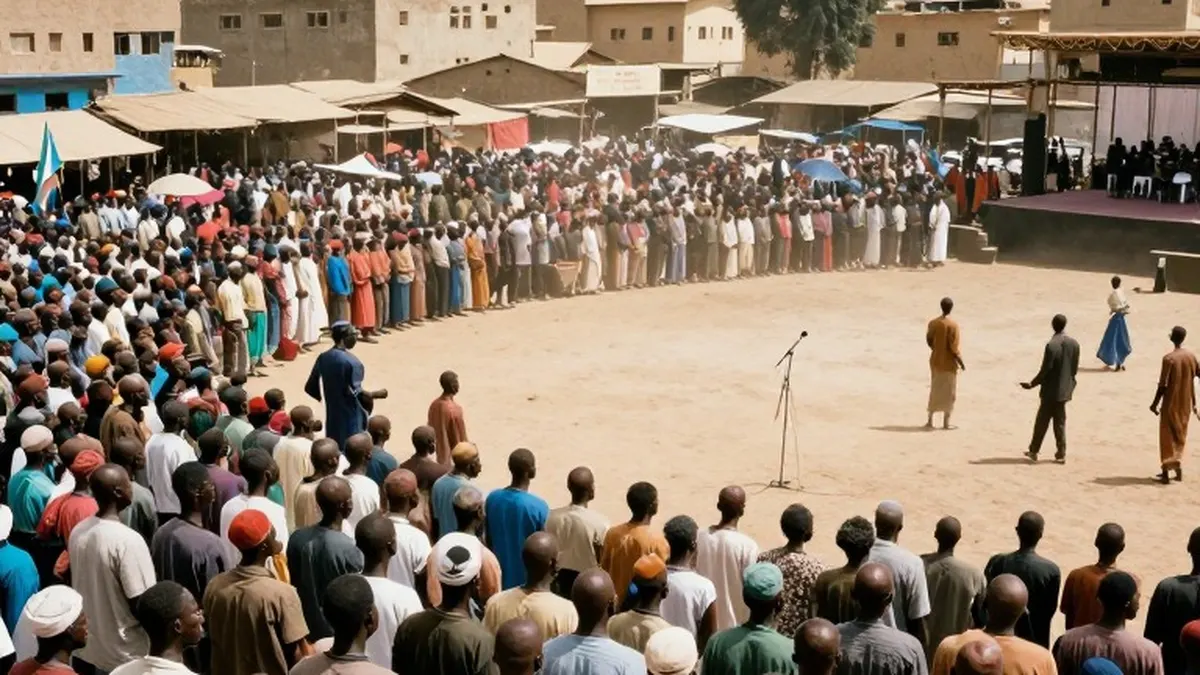
Nigerian President Bola Tinubu addressed supporters in the northeastern city of Maiduguri, promising to bring lasting peace to the region scarred by years of rebellion. The pledge was made as the country prepares for a general election scheduled for January 16, in which Tinubu seeks a second and final term in office.
Maiduguri serves as the capital of Borno State, which has long been the heartland of the insurgency led by Boko Haram and ISIL West Africa Province, also known as ISWAP. By holding the rally in this strategic location, the president aimed to signal to voters that recent military efforts in Borno and the northwest are yielding tangible results.
During his address, Tinubu stated that the nation would achieve peace and that terrorism would eventually subside. He called on rebel fighters to lay down their arms and surrender their weapons, urging them to shift away from the characters of terrorism and banditry that have plagued the region.
Kabir Adamu, the managing director at Beacon Security and Innovations Limited, told Al Jazeera that the choice of venue sent a clear message about improved security conditions. Speaking from the national capital of Abuja, Adamu noted that the rally also demonstrated a positive trend in the economic circumstances within the state.
Despite these claims, Tinubu faces significant pressure from analysts and political opponents who argue he has not fully delivered on his 2023 campaign promise to end insecurity in the north. A poll released by YIAGA Africa in October indicated that more than 50 percent of respondents disapprove of the president's performance, while over 70 percent rated the economy as poor or very poor.
However, Adamu countered that significant progress has been made in Borno State. He explained that while about 24 local government areas were previously contested by state and non-state actors, almost all are now reasonably accessible, although challenges persist outside the immediate city centers.
The Nigerian military has been supported by real-time US intelligence and satellite data to target armed group leaders and weaken rebel networks. In May, US and Nigerian forces conducted a joint mission that resulted in the death of Abu-Bilal al-Minuki, who served as the global second-in-command of ISIL.
Security analysts acknowledge that while Nigerian forces have driven rebels from much of the territory they once controlled, the fighters continue to stage deadly raids, ambushes, and bombings. Additionally, armed groups have expanded their activities in the northwest, where kidnapping gangs are prevalent.
The crisis monitoring group ACLED reported earlier this year that fighters linked to al-Qaeda and ISIL are increasing attacks on the borderlands between Niger, Benin, and Nigeria. This trend is turning remote transit corridors into active conflict zones, complicating regional security.
Tinubu also highlighted ongoing efforts to rescue more than 70 schoolchildren who remain in captivity following two separate abductions in Borno during May and June. As the election approaches, economic reform remains a critical issue, with experts noting that rising poverty and limited access to basic commodities are key concerns for voters.