Singapore faces pressure over alleged diversion of Nvidia chips to China
An investigation into Megaspeed and tighter U.S. restrictions are testing Singapore’s position in the AI supply chain and raising uncertainty for regional data centres.
By Meera Fletcher ·
Singapore is stepping up scrutiny of advanced AI chip trading as allegations involving local cloud computing company Megaspeed threaten its standing as a global commercial hub. The city-state has opened an investigation into the company and says it is co-operating with U.S. authorities over claims that sophisticated Nvidia chips were diverted to China.
U.S. authorities have been examining Megaspeed’s alleged chip diversions since 2024 and placed the company on a trade blacklist earlier this week. The case has brought attention to Singapore’s role as an intermediary connecting suppliers of advanced American technology with Chinese technology businesses. Beyond its reputation, Singapore faces uncertainty over continued access to U.S. technology and its ambitions to become a leading AI centre.
Nvidia’s financial filings showed that Singapore represented 22 per cent of its worldwide revenue last year, before the company stopped reporting sales and revenue for the country separately. Most products billed in Singapore were delivered to other destinations. The allegations against Megaspeed have consequently intensified questions about how thoroughly businesses checked where chips would ultimately end up.
Prime Minister Lawrence Wong said earlier this week that Singapore was working with Washington to strengthen information sharing and establish a mechanism for U.S. authorities to carry out checks and enforce American export controls. Tracking chips beyond their first sale remains difficult, however. Suppliers must check their customers, but those buyers can later resell hardware to restricted parties. Goh Puay Guan, an associate professor at the National University of Singapore’s business school, said sellers are not legally liable for subsequent resales if they have completed proper due diligence.
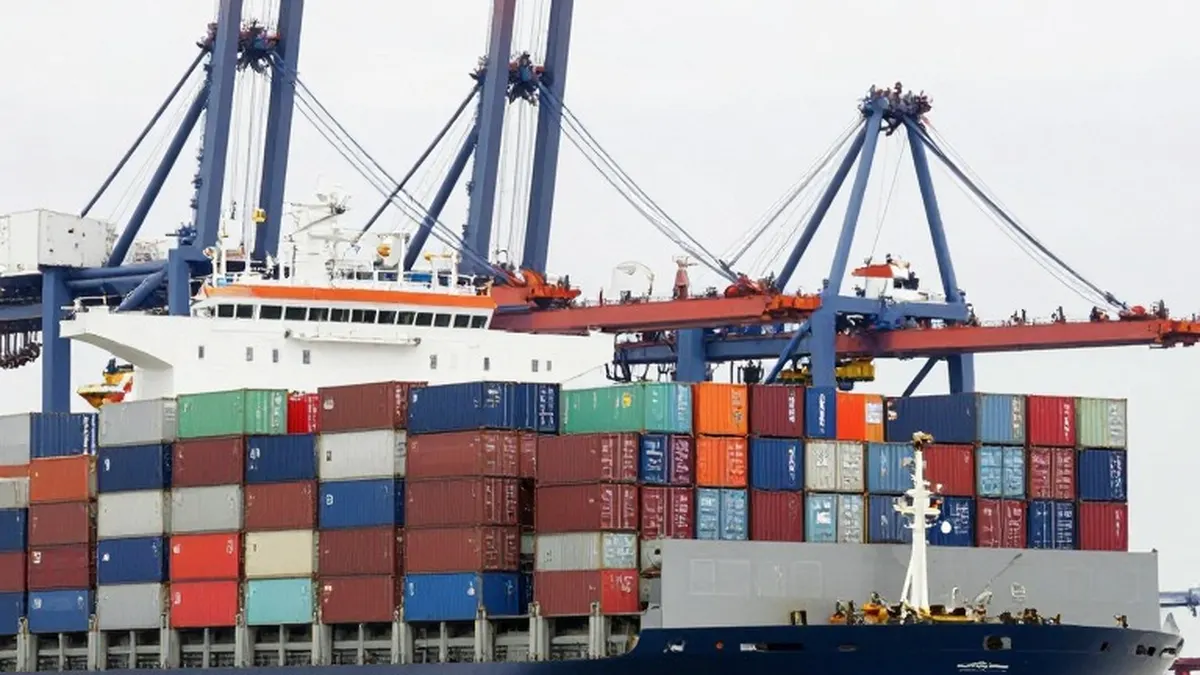
More rigorous checks on end users could increase compliance expenses, lengthen transactions and raise the risks of working with Chinese technology companies. Singapore also faces the challenge of preserving its appeal as a trading intermediary. Independent AI industry adviser Matthias Hendrichs said the country must maintain both sides’ trust while strengthening investigations and monitoring, although inspecting every container entering its harbour is impossible.
Washington is also tightening restrictions on access to computing power. Chinese technology companies have been able to legally use advanced U.S. chips by renting capacity at overseas data centres. That demand has contributed to Southeast Asia’s data-centre expansion. Research by PwC and Oxford Economics forecast investment in Singapore at $7 billion US this year. Under the new restrictions, operators serving major Chinese AI customers must obtain licences by mid-February or risk losing access to advanced chips.
Separately, the Financial Times reported, citing people familiar with the matter, that Nvidia had told manufacturing partners to stop server shipments to Singapore, Malaysia, Thailand and Indonesia. The duration of the suspension remains unclear, adding uncertainty for data-centre operators and potentially delaying new developments.
Han-Wei Liu, an associate professor of law at Singapore Management University, said financing could be postponed or collapse if projects lose major customers or cannot demonstrate dependable chip supplies to lenders. That could slow regional computing capacity growth and hinder AI development by local companies and researchers. Existing operators also face the prospect of higher compliance costs reducing their profits.