Preserve funding: Pinellas lobbies state
Commissioners approved a strategy to secure recurring state dollars for Weedon Island and Shell Key to offset local budget cuts.
By Meera Fletcher ·
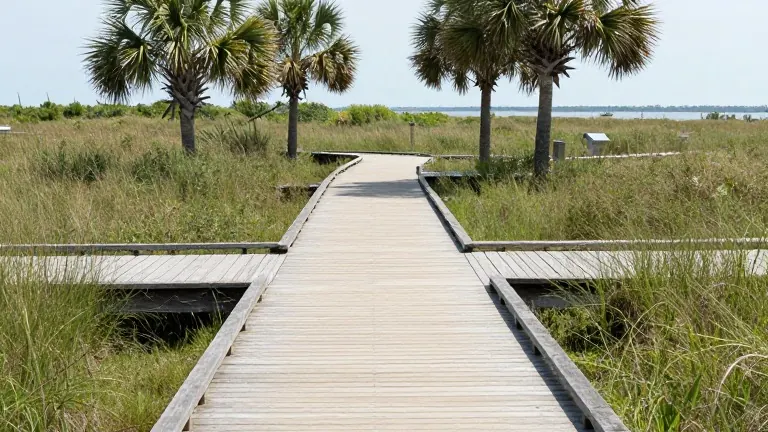
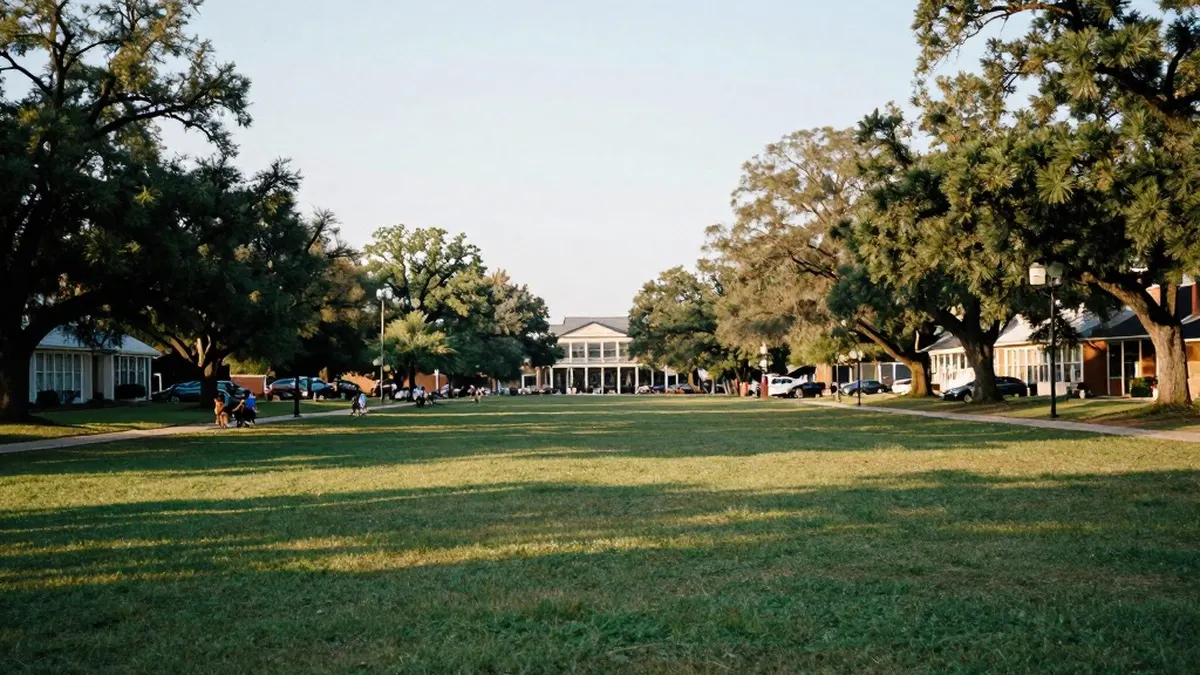
Pinellas County officials spent decades managing two state-owned preserves without asking the Legislature to cover the full operating cost, but a recent budget squeeze changed that dynamic. Commissioners voted unanimously Tuesday to authorize staff to lobby Tallahassee for recurring state funding that would cover security, employee salaries, and building maintenance for Weedon Island and Shell Key.
The county has operated both sites under a 50-year lease signed in 1995. For the past thirty-one years, local tax dollars have paid for the upkeep of these protected areas. However, County Administrator Barry Burton proposed cutting local spending on the preserves earlier this year as the county faced a deficit. The initial proposal would have saved the county approximately $474,000.
Commissioners rejected the full cut but limited county funding to the next fiscal year only. This temporary measure creates a deadline for the county to secure state money before local reserves run out. The county budgeted $715,000 for both parks in the 2025 budget year. For the fiscal year that ended in October, the county allocated an additional $734,000 for their operation, according to county data.
Tristan Sommer, the county’s intergovernmental liaison, said last week that securing recurring funds is a difficult process. The county will work with Pinellas lawmakers and state appropriations committees to identify the money. Sommer noted that in the last two state budget sessions, lawmakers focused on reducing recurring spending. He stated that the county does not yet know what the new priorities of the presiding officers or the next governor will be regarding this budget space.
The push for state funding arrives as the county faces a projected drop in property tax revenue. Florida voters passed Amendment 3, which lowers property tax bills for homeowners who reside in their primary homes. Local governments rely on those revenue streams to fund daily services. Burton previously told the Tampa Bay Times that service cuts were not off the table if the amendment passed.
Lindsay Cross, a former state representative from St. Petersburg who now serves as the Florida state director for the Trust for Public Land, supports the county’s approach to keep the parks in local hands. She cited the multimillion-dollar maintenance backlog across Florida’s 175 state parks as a reason the state should not take over management entirely. Cross noted that Weedon Island is one of the largest protected areas in Pinellas, a region that is among the most densely populated in the state. She emphasized the site’s history as a home to indigenous peoples dating back nearly 5,000 years.
Burton clarified that the original proposal to cut preserve funding was unrelated to Amendment 3. He attributed the deficit to state mandates that require the county to allocate money toward programs such as Medicaid and retirement systems. These mandates are decided annually by the Legislature.
Florida Gov. Ron DeSantis previously stated that the Legislature must pass laws in a special session to implement Amendment 3. New state leaders have indicated they believe the amendment is self-implementing and that new laws can be passed later. If the governor seeks to oversee the process, a special session must occur before he leaves office in January.