Proton and Nord VPN add app-level routing controls to Windows software
The updates allow users to exclude specific applications from the encrypted tunnel, reducing latency for gaming and preserving local network access without manually toggling the service.
By Tomas Rahman ·
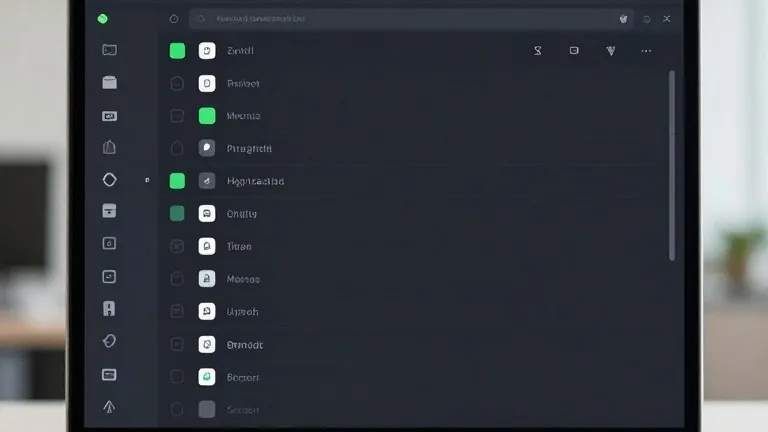
Proton and Nord have released updates to their Windows clients that enable users to route specific applications outside the VPN tunnel. This feature, known as split tunneling, allows traffic from selected programs to connect directly to the internet while other data remains encrypted.
The updates address the trade-off between privacy and performance. While VPNs hide user activity from internet service providers and local network observers, the encryption process can reduce connection speeds. By excluding high-bandwidth or location-dependent applications, users can maintain protection for sensitive data without sacrificing performance in other areas.
In ProtonVPN for Windows, the split tunneling option appears on the right side of the main console. Users can choose to include specific apps in the tunnel or exclude them. NordVPN places the control in the settings menu, accessible via a cog icon in the bottom left corner of the interface. Both services require users to manually select which applications bypass the VPN.
The primary use cases include online gaming, where lower latency is preferred, and local network interactions. Users can keep banking apps protected while allowing weather or ticketing apps to connect directly, ensuring location-based services reflect the user's actual geography rather than the VPN server's location. This also resolves connectivity issues with smart home devices and printers on local networks.
Most consumer VPN services now offer this functionality, particularly on paid subscription tiers. While some providers support URL-based or IP-based routing, app-based control is the most common implementation for individual users. Mobile devices follow a similar setup process, though iPhones restrict the feature to website and IP exclusions rather than full app-level control.
The setup is a one-time configuration for most users. Once the specific applications are designated, the routing rules persist automatically. This allows users to maintain a consistent security posture without needing to switch the VPN on and off for different tasks.
Both companies confirmed the features are available in the current versions of their Windows software. The updates align with standard industry practices for balancing privacy requirements with network performance needs.
Source: Wired