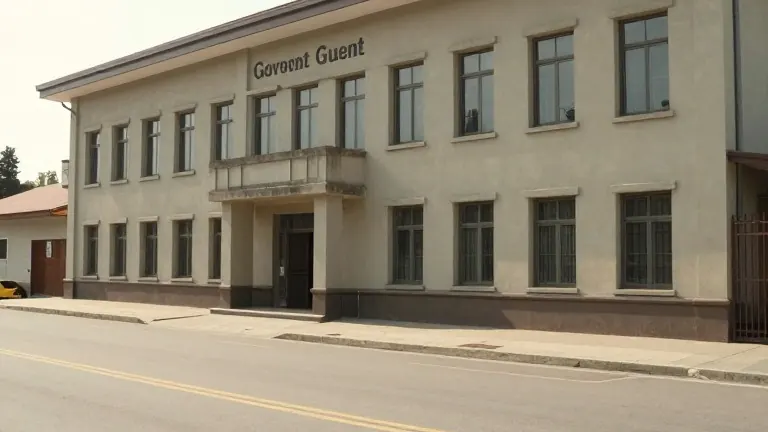
St. Petersburg museum reorganizes 20,000 objects into new themed rooms
The MFA St. Pete replaces chronological displays with thematic groupings, reducing visible works from 476 to 350 to emphasize human connection over art history.
By Alessia Desai ·
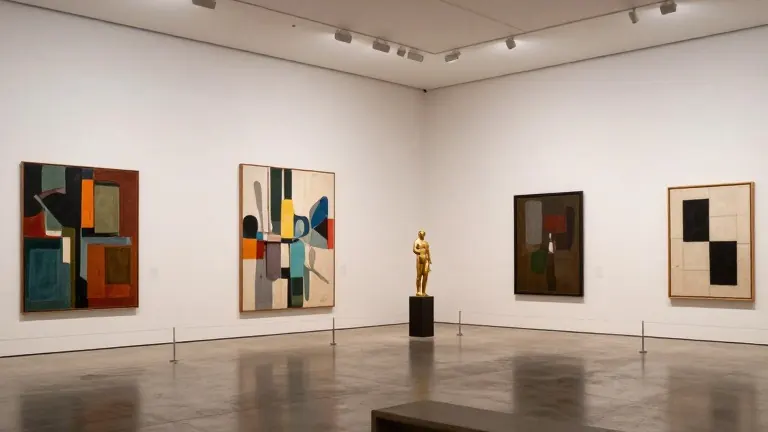
The Museum of Fine Arts in St. Petersburg has dismantled its chronological exhibition model to present its permanent collection through thematic narratives.
The re-installation, titled Art Unbound, opens to the public on November 21. Before that date, a preview event called Art After Dark is scheduled for November 19 from 5 to 8 p.m. at the museum’s location at 255 Beach Dr NE.
Chief Curator Stanton Thomas stated that the new layout aims to trigger immediate cognitive engagement. He said, “Hopefully, the minute you step in, the wheels start turning in your mind and you think about why these objects are combined.” The first gallery now features a golden Buddha surrounded by contemporary pieces, replacing the previous display of Roman mosaics and coins.
Executive Director Klaudio Rodriguez, who arrived in St. Petersburg two years ago, drove the change. He explained that the previous top-down approach prioritized art historical context. “When I walked in, the collection was presented in traditional fashion, which is ‘this follows this,’” Rodriguez said. The new model seeks to connect works to universal human experiences through themes such as Picturing Belief, American Landscapes, and Death & The Spirit World.
The number of displayed objects has decreased. Thomas noted that 476 items, including beads and coins, were visible before the change. The new installation features approximately 350 works. This reduction allows for the inclusion of rarely seen items and loans, though a large portion of the 20,000-object collection remains in storage due to light sensitivity.
Logistical coordination required extensive planning. Jennifer McKellar, Manager of Collections & Exhibitions, described the process as akin to playing Tetris. Her team used SketchUp software to map placements across 17 galleries. McKellar stated that curators frequently changed initial digital plans after seeing how objects interacted physically in the space.
The museum completed the physical re-installation in two months, beginning in September. Special exhibition galleries, the gift shop, and Cafe Clementine remained open during the closure. Rodriguez expressed a hope to repeat this re-imagining every three or four years to maintain flexibility in how the collection is viewed.