Tesla Drivers Face Major Changes as Company Builds In-House Maps
Tesla is developing its own mapping system to fix common errors in speed limits and parking, marking a significant shift from its previous camera-only strategy.
By Thomas Reynolds ·
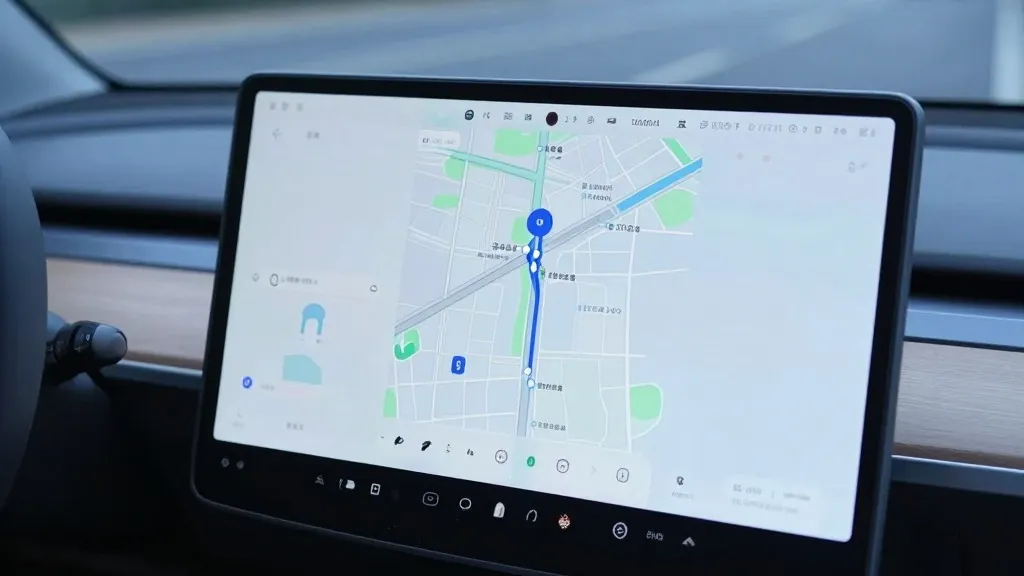
Drivers using Tesla's Full Self-Driving software can expect improvements in how the car handles daily tasks. The system will get better at reading speed limit signs and finding parking spots. It will also choose routes more reliably. These changes address some of the most frequent complaints from current users.
Tesla officials confirmed the shift during the company's Q3 2026 earnings call. Ashok Elluswamy, the VP of AI, stated that the company should not rely on external maps. Tesla is now building its own mapping and navigation architecture. This new system uses data collected from the company's existing fleet of vehicles. It will also learn individual driver preferences and respond to voice commands.
The rollout will happen in stages. FSD v15 will start by handling the beginning and end of trips. Over the coming months, the new map layer will take over navigation and destination handling. This approach aims to reduce errors in understanding the driving environment. It is a direct response to issues where the vision system fails to process simple road information.
This move marks a significant change in Tesla's long-held philosophy. For years, the company argued that self-driving systems should not depend on detailed maps. Elon Musk previously called high-precision maps a huge mistake that made systems brittle. He favored a vision-only approach that could work anywhere. Now, Tesla is using its fleet to create a map that helps cars drive better.
The new system is not the same as the high-definition maps Tesla criticized in the past. It is a fleet-built map that gathers data from millions of cars. This method is similar to how Waymo operates. Waymo uses sensor-equipped vehicles to map cities before launching service. Tesla is now using a comparable strategy to improve its Robotaxi service and consumer FSD.
Recent data highlights the need for this change. A Belgian road safety group found that FSD sped in 55% of the 30 km/h zones it tested in Brussels. The car often displayed the wrong speed limit on its screen. In the US, the NHTSA is weighing an investigation into speed issues in school zones. If the vision system cannot reliably read a simple sign, a map layer is a logical fix.
There are still open questions about how this will affect the timeline for unsupervised FSD. The company has pushed the release of unsupervised FSD in customer cars to Q2 2027. For now, the focus is on making the system more accurate within geofenced areas. This new mapping effort suggests that Tesla is converging on a solution similar to its competitors, even if the underlying technology differs.
Source: Electrek