Trump Demands AI Giants Pay Energy Dividends to Neighbors
The President is pressuring data center operators to share excess power with local areas to lower bills and reduce community backlash.
By Juan Gonzalez ·
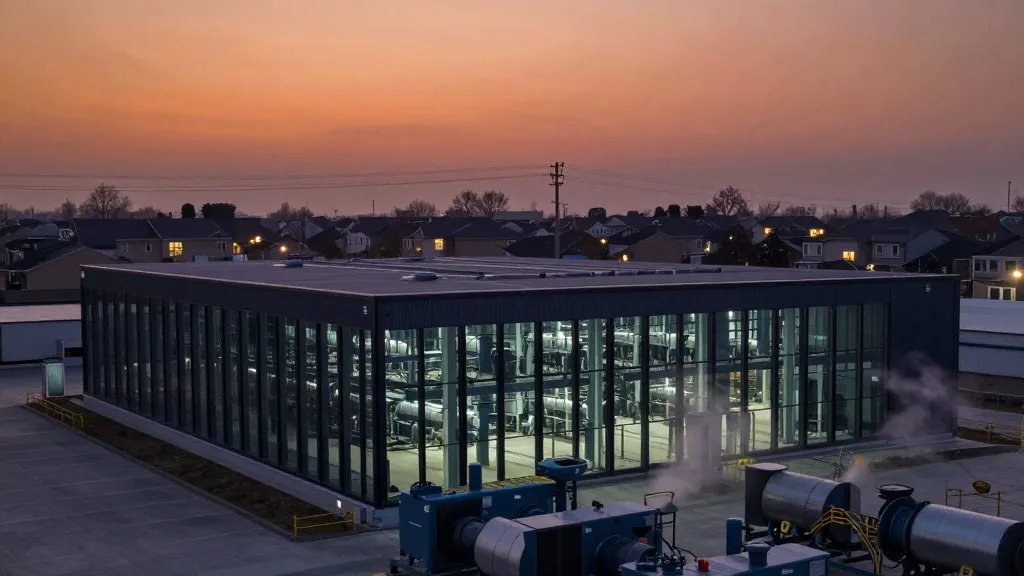
President Donald Trump has issued a direct demand for AI data center builders to provide a financial or energy dividend to the communities they impact. In a post on Truth Social, the President outlined a plan where these facilities not only generate their own power but also give or sell any excess energy back to local grids. The goal is to offset rising electricity costs for nearby residents, potentially even driving prices down, to make the presence of these massive facilities more acceptable to the public.
This announcement follows growing tension across the United States between local populations and the rapidly expanding AI infrastructure sector. Residents in small towns and rural areas have increasingly protested the arrival of data centers, citing issues such as significant noise pollution, water shortages, air quality concerns, and deforestation. The most immediate pain point for many households has been the sharp increase in local electricity rates, a burden that residents feel is unfairly shouldered by neighbors rather than the operators of the centers.
The administration’s strategy appears designed to win back some favor while maintaining momentum in the AI race against China. By requiring companies to return value to the community, the government hopes to smooth the path for new construction. The proposal builds on a previous executive order that required data centers to be responsible for their own electricity generation. Under the new directive, any surplus power produced by these facilities would be directed toward the local grid, helping to stabilize or reduce costs for area residents.
This energy sharing initiative is linked to a recently passed act that mandates data centers to cover the costs of necessary grid upgrades. Previously, these infrastructure improvements were often funded through local taxes. By shifting the financial burden to the data center operators and allowing them to sell back excess power, the administration aims to create a more sustainable economic model for the host communities.
In his social media post, the President emphasized that financial agreements are key to community acceptance. He noted that data centers which were once highly unpopular in specific areas have become extremely popular once a deal was struck. "MAKE DEALS, and get them built!!!" the President wrote, signaling a strong preference for accelerating construction through these new economic incentives rather than relying on regulatory hurdles.
However, the practical implementation of these dividends remains uncertain. Critics point out that the term 'dividend' is traditionally used for profitable companies, whereas many new data center builds are still in the capital-intensive phase of recouping construction costs. There are questions about how much surplus energy will actually be available for local use, especially given the immense power demands of AI training and inference workloads.
Furthermore, the energy generation method itself is a point of contention. Many of these facilities currently rely on gas-powered generators to meet immediate power needs, which can be noisy and polluting. While this approach provides quick access to electricity, it may not be the long-term environmental solution some neighbors hope for. Other, cleaner energy sources will take longer to come online, meaning the near-term benefits to local communities may be limited to cost reduction rather than environmental improvement.
Ultimately, while the energy dividend addresses the most visible financial complaint from residents, it does not solve every issue. Challenges related to water consumption, ecological footprint, and general pollution remain significant hurdles for data center developers. Whether this new mandate will be enough to turn skeptics into supporters, or if it will simply become another administrative requirement that companies navigate with minimal local benefit, remains to be seen as construction continues across the country.
Source: Tom's Hardware