Director Morteza Alizadeh Explores Prison Pregnancy in New Film 'Inherited'
The world premiere of 'Inherited' at the Cairo Film Festival highlights the moral complexities of Iranian society through a story about a woman sentenced to death who must become pregnant to live.
By Meera Fletcher ·
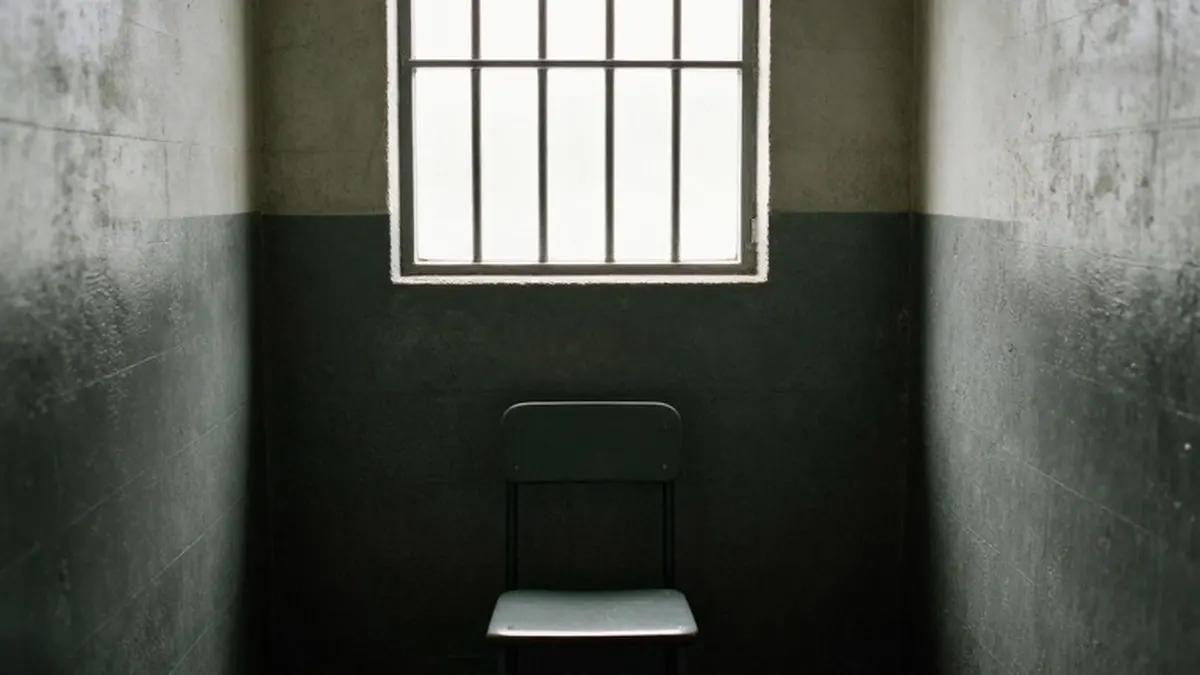
Morteza Alizadeh, an Iranian filmmaker, was struck by a photograph taken several years ago that depicted mothers and their children living what appeared to be a routine life. The image, however, was captured inside a women’s prison. This visual sparked a deep interest in the often unspoken reality of Iranian women who give birth while awaiting execution. After years of research into how common this practice is, Alizadeh developed the fictional narrative for 'Inherited,' which is having its world premiere at the Cairo Film Festival this week.
The film centers on Mina, a character played by Mina Sadati. She has been sentenced to death for murder and is racing against the clock as her execution date approaches. The story reveals that the only method to postpone her fate is to become pregnant. Alizadeh stated that his primary objective was to portray individuals navigating sensitive and difficult circumstances where they are forced to make survival choices. He noted that these decisions impact not only the protagonists but also the lives of those around them.
To ensure authenticity, the director undertook an extensive research process. He compiled a large archive of images from inside prisons, which included rare documentaries and footage obtained from hacked surveillance cameras. Alizadeh also spent months interviewing women who had been imprisoned and were either on temporary leave or released. With their assistance, the production design team was able to recreate the prison environment in meticulous detail, building sets that closely mirrored the real locations.
The narrative presents a complex moral dilemma when Mina’s family urges the unmarried prisoner to abort the baby to preserve the family’s honor. Alizadeh intended for the audience to question how much authority one person holds over another’s fate. He asked viewers to consider what gives them the right to decide whether to take a life or allow another to live. The director emphasized the importance of understanding the structural circumstances that force characters into these difficult positions rather than simply judging their choices.
The film aligns with a long tradition of Iranian cinema established by renowned directors such as Jafar Panahi, Asghar Farhadi, and Abbas Kiarostami. Alizadeh believes that the roots of this cinematic style, which often involves creating morally complex situations, are found in the social and cultural conditions of Iranian society. He feels a deep connection to the work of his countrymen, noting that their films are influenced by the shared reality and contradictions of the society in which they live.
Alizadeh described the current situation in Iran as increasingly complex. He pointed to difficult economic conditions that have made everyday life nearly impossible for the majority of the population. Additionally, the country has faced two wars in less than a year, accompanied by public protests and resistance against attacks. These factors have made the social landscape more complicated for artists trying to understand and respond to their surroundings.
This week, prominent figures in the industry, including Mark Ruffalo and Tilda Swinton, signed a statement expressing deep concern over the new prison sentence handed down to Jafar Panahi. The Tehran Revolutionary Court issued a sentence of five years and one month, along with the confiscation of his assets, freezing of bank accounts, and bans on travel and social media for two years. Alizadeh noted that these events highlight the challenging period Iranian cinema is undergoing as it redefines its relationship with both internal and external obstacles, particularly censorship.
Despite these challenges, Alizadeh believes that the key to moving Iranian cinema forward is the courage of new filmmakers. He emphasized that emerging talents must stay true to their personal voice and style to create opportunities and overcome the slower pace of talent emergence caused by the current climate.
More News · National news · Report a business · Got a Story?