Congressional Push for Data Center Freeze Cites Community Costs
Lawmakers propose a national moratorium on new construction until AI regulations are established, citing rising utility bills and environmental damage.
By Alessia Desai ·
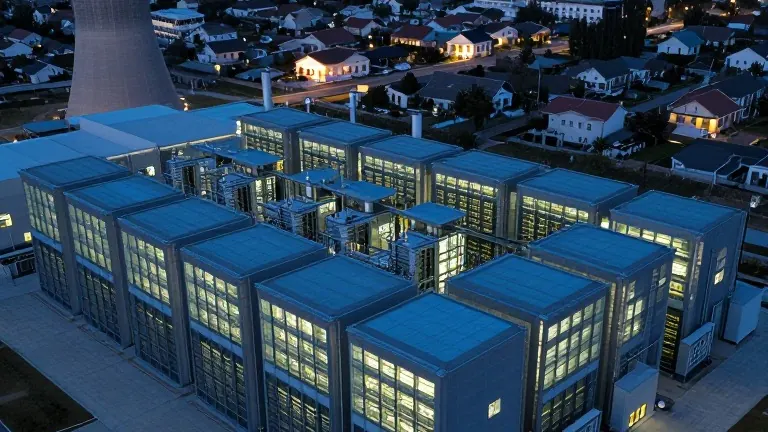
Members of Congress are demanding a halt to new data center construction across the United States. They argue the industry is expanding faster than the government can regulate it. The proposal seeks a national pause until new rules are in place.
Rep. Jim McGovern of Massachusetts criticized the White House for its slow response to the sector. He described the current situation as urgent and stated that the administration is not acting quickly enough. McGovern said large technology leaders are becoming oligarchs. He claimed these companies are enriching themselves at the expense of local residents.
McGovern pointed to specific local impacts. He said data centers drive up utility prices and damage the environment. He noted that billion-dollar projects often arrive without adequate community input. He described the process as wealthy executives deciding what local towns must tolerate to secure profit.
Rep-elect William Lawrence of Michigan focused on the economic trade-off. He compared data centers to traditional manufacturing plants. Lawrence argued that data centers do not offer the same community value as an automotive plant. He said the billions of dollars in investment are often built on the promise of putting people out of work.
Rep. Chellie Pingree of Maine called for greater transparency in government dealings. She wants to prevent backdoor deals between big tech companies and the state. Pingree emphasized the need for strong regulations that protect air, water, and climate. She also stressed the importance of community engagement in the approval process.
It is not yet clear if the proposal has enough support to pass in the next Congress. The Trump administration has attempted to rename artificial intelligence as super intelligence. The moratorium would give lawmakers time to draft the necessary regulatory framework before new facilities break ground.