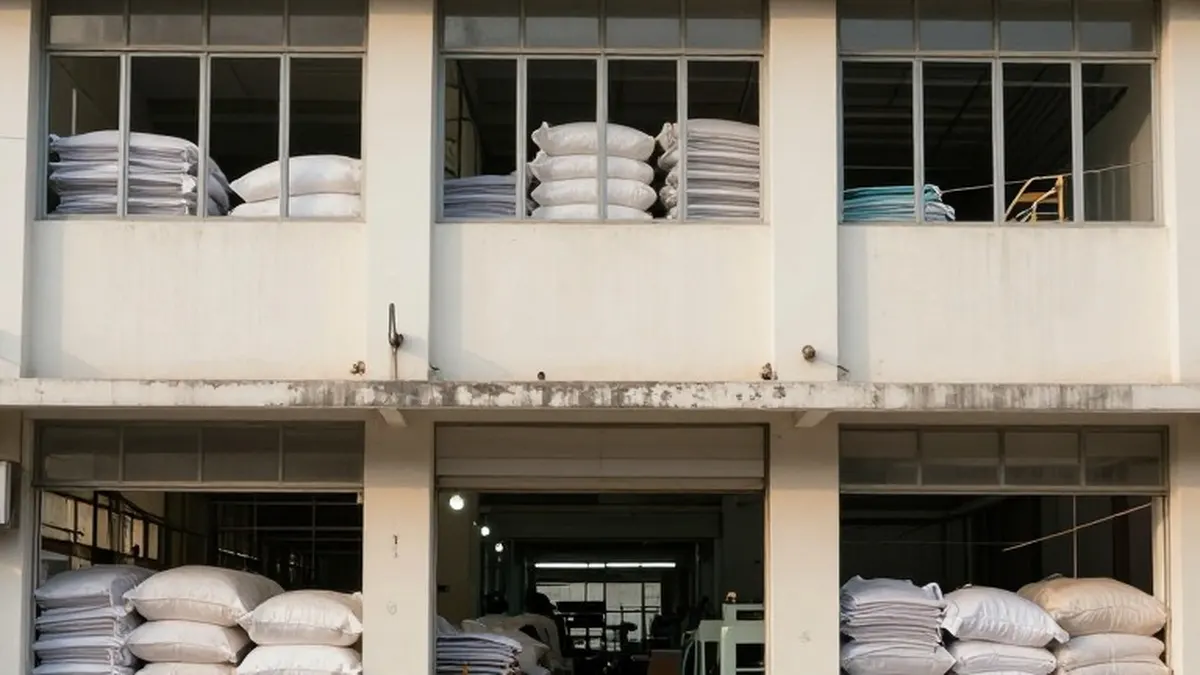
Renewed Saudi-led strikes on Hodeidah port raise fears for Yemen's humanitarian supply chain
New attacks on Yemen's main commercial seaport have intensified concerns that the country's primary lifeline for food and aid is under threat amid escalating conflict.
By Meera Fletcher ·
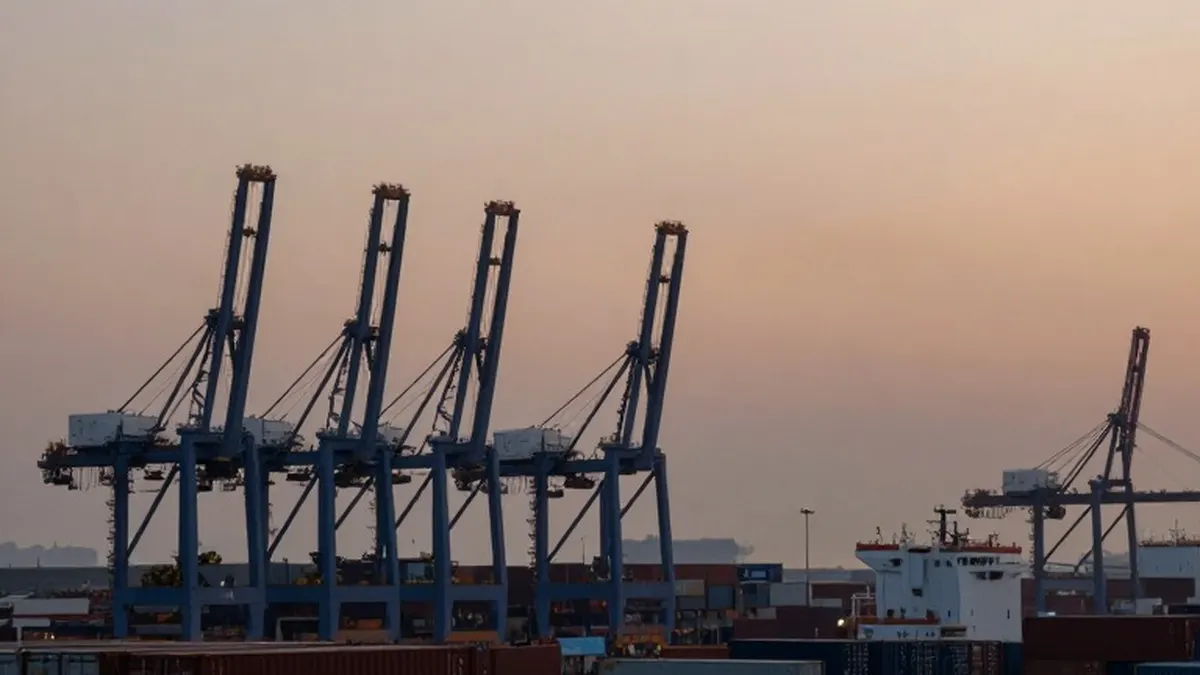
The Saudi-led coalition has initiated fresh attacks on Houthi targets at the port of Hodeidah, marking a significant escalation in the ongoing conflict between the armed group and Yemen's internationally recognized government. These strikes follow recent weeks of substantial territorial gains by the Houthis and an increase in attacks directed at Saudi Arabia. The port, located on the western Red Sea coast, has been under Houthi control since 2014 and remains a vital hub for the country's economy and humanitarian relief efforts.
Hodeidah serves as the primary entry point for food, fuel, and commercial goods, supplying densely populated northern and western regions, including the Houthi-held capital of Sanaa. Although the facility suffered damage to cranes and storage facilities during more than a decade of conflict, the United Nations Mission to Support the Hodeidah Agreement estimated in September 2025 that the port still handles approximately 70 percent of Yemen's commercial imports and 80 percent of its humanitarian aid. Officials from the International Organization for Migration and Doctors Without Borders have described the port as a critical lifeline, warning that its disruption would delay the arrival of essential supplies and increase prices for families already facing acute hardship.
Despite its civilian importance, the port has been subject to long-standing accusations of dual use by the Houthis. Investigations indicate that the group utilizes commercial facilities to smuggle weapons from Iran. Researchers and human rights activists have noted that while the port is essential for commercial flows, the militarization of civilian infrastructure by storing arms and fuel undermines its humanitarian function. Yemeni lawyer Tawfiq al-Hamidi emphasized that while the port has been misused, efforts must be made to protect it as a civilian facility, with the Houthis providing genuine guarantees to support this status.
The port has faced repeated attacks since the start of Yemen's civil war in September 2014, with strikes carried out by the Saudi-led coalition, the United States, the United Kingdom, and Israel. In March 2015, the coalition began a partial maritime blockade, which was partially eased following a UN-brokered truce in April 2022. Further restrictions on commercial imports were lifted in early 2023, aiding the port's recovery, but that progress was jeopardized by a campaign of strikes beginning in 2024 in retaliation for Houthi attacks on Israel and Red Sea shipping.
The decision to strike the port now is linked to the shifting dynamics on the battlefield. Since the return of full-scale war in September, Houthi forces have pushed back government troops, and a government counteroffensive launched in early October has failed to halt their advances. Analysts suggest the strikes aim to cripple the Houthis' economic and logistical capabilities. The escalation also follows Houthi attacks on Saudi infrastructure, including a strike on the headquarters of the Saudi sovereign wealth fund in Riyadh.
The Saudi-led coalition announced the new strikes on Wednesday, days after urging civilians to evacuate the area. In response, Houthi spokesperson Yahya Saree threatened retaliation against Saudi seaports on the Red Sea, specifically naming Jeddah. Yemeni researcher Nabil Al-Bukairi warned that the strikes have gone beyond symbolic gestures, suggesting that continued bombardment could render the port inoperable. Even without a complete closure, disruptions to the facility risk delaying critical aid as the war in Yemen shows no signs of an imminent end.