DTE proposes $6.4 billion gas buildout to meet 2040 carbon-free mandate
Regulators will review a plan that doubles proposed gas capacity, relying on unproven carbon capture technology to serve new data center demand from Oracle and Google.
By Tomas Rahman ·
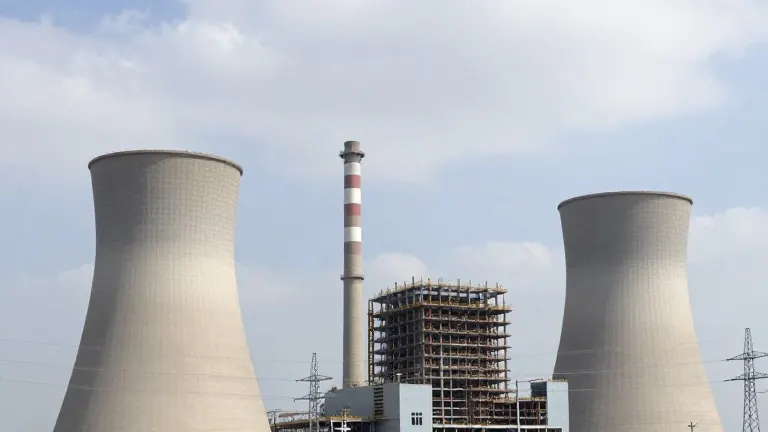
DTE Electric has proposed spending $6.4 billion to build two new gas-fired power plants in southeast Michigan, a plan that relies on carbon capture technology to satisfy state law requiring carbon-free power generation by 2040. The utility filed the 20-year integrated resource plan with the Michigan Public Service Commission in September, outlining the construction of 2.1 gigawatts of new gas capacity scheduled to come online in 2031 and 2032. Carbon capture equipment is slated for installation by 2035 to ensure compliance with emission limits.
The proposal represents a substantial increase in fossil fuel infrastructure. DTE plans to add 2.1 gigawatts of gas generation, which is more than double the 946 megawatts proposed in its previous long-range plan filed four years ago. The new plants would be located in the Detroit area, with one situated in the same county as the 3-gigawatt Monroe coal plant that DTE proposes to close. This expansion coincides with the utility's plan to build 15 gigawatts of renewable energy, mostly solar, and 4.5 gigawatts of energy storage over the same period.
Critics argue the increased gas capacity is driven by rising electricity demand from hyperscale data centers. DTE has signed contracts with Oracle and Google for a combined 2.4 gigawatts of power, a figure the utility cites as a primary reason for the updated plan. Helen Li, senior attorney at Earthjustice, stated that the numerical alignment makes a direct link between the new gas plants and data center load difficult to ignore. She warned that DTE is attempting to lock in billions of dollars in fossil fuel investment now, with the promise of spending billions more later to bring those plants into compliance.
The reliance on carbon capture and sequestration presents a technical risk, as no U.S. electric utility has successfully deployed the technology at scale. S&P Global notes that while the technology has been in operation for over 50 years, it remains in early stages of deployment due to high costs and infrastructure complexity. The Petra Nova project in Texas, the only commercial power plant in the U.S. to use the technology, has faced a three-year shutdown and missed emission targets. The Environmental Protection Agency reported last year that it is extremely unlikely that extensive carbon capture infrastructure will be deployed by the 2032 compliance date set under the Biden administration's rules.
State law allows gas plants to count toward clean energy targets if they capture at least 90% of emissions. However, Charlotte Jameson, chief policy officer of the Michigan Environmental Council, described the financial bet as risky for ratepayers. She noted that the cost is not limited to the capture equipment but includes the infrastructure required to pipe and store carbon dioxide. On October 30, the Michigan attorney general asked the commission to reexamine DTE's contract with Google, citing concerns that residents could bear unfair costs. Regulators will decide on the proposal over the coming year, with DTE declining to comment beyond its public filings.
More Business · Business Complaints · Report a business · Got a Story?