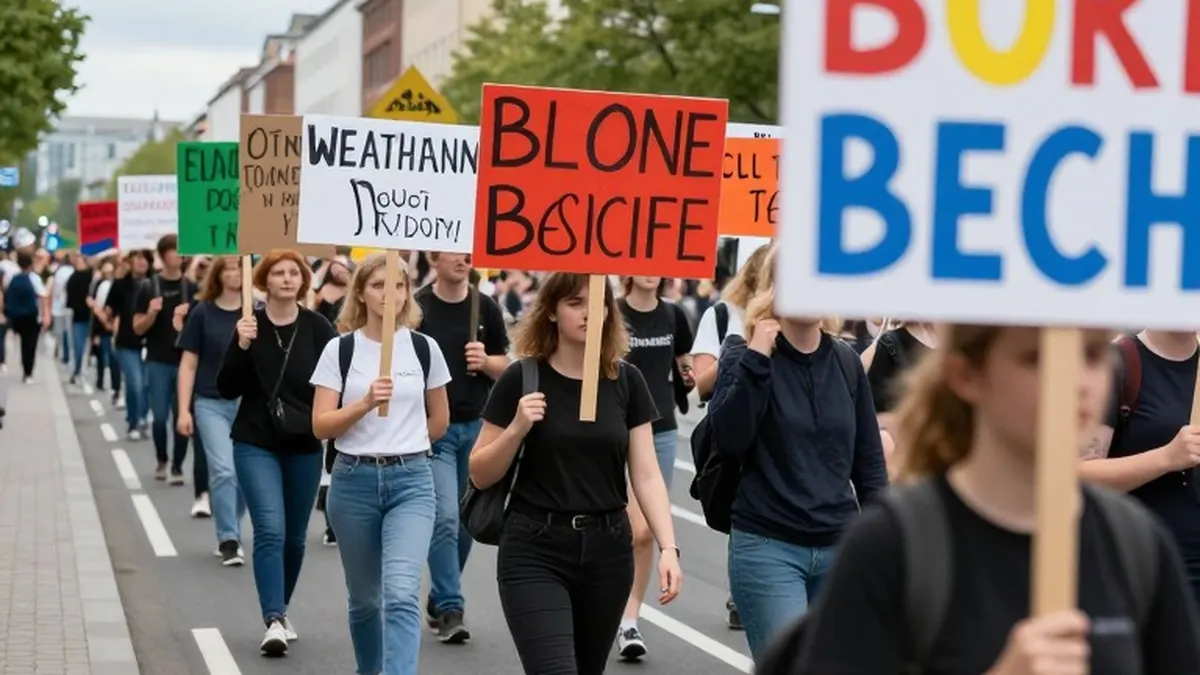
EU and UK Leaders Meet in Brussels to Strengthen Post-Brexit Ties
EU and UK leaders agreed on new trade and mobility deals in Brussels, with implementation conditional on resolving a dispute over university tuition fees for EU students.
By Alessia Desai ·
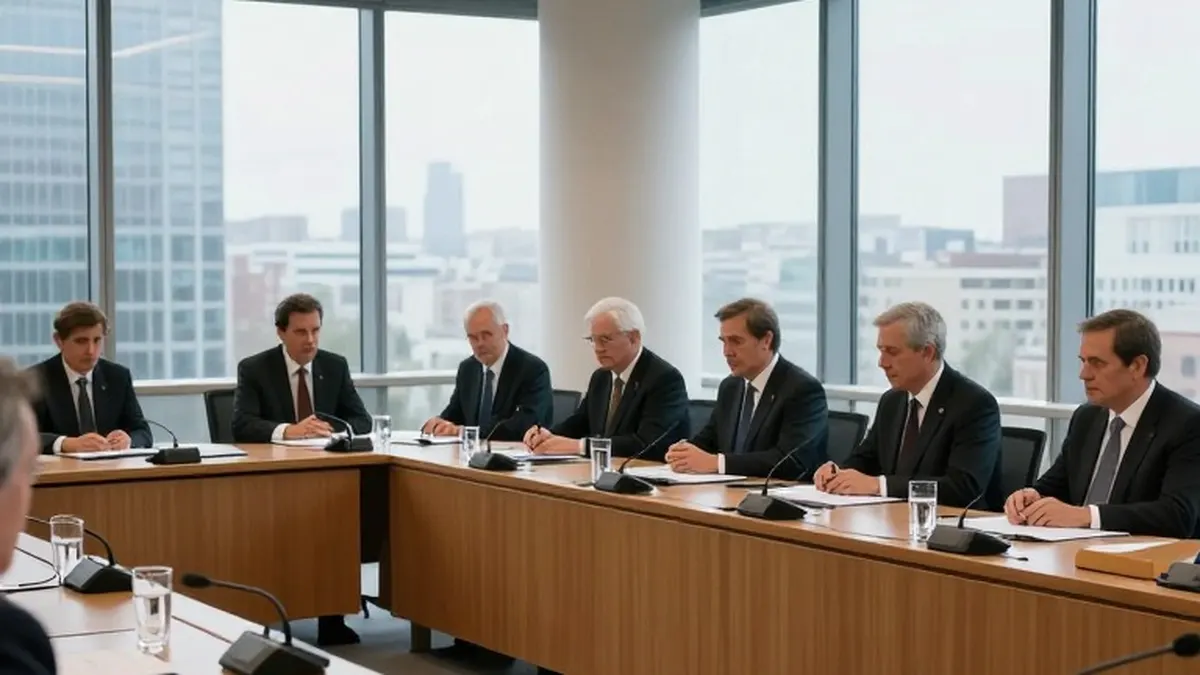
European Union officials and United Kingdom Prime Minister Andy Burnham convened in Brussels on Friday for a high-level summit aimed at revitalizing the relationship between the two entities. This gathering marks a significant diplomatic effort to rebuild connections roughly a decade after the British public voted to exit the European Union. The primary goal of the meeting was to announce new agreements focused on trade facilitation and youth mobility.
Prime Minister Burnham arrived in the Belgian capital to a warm welcome, which included a performance by a string quintet. Upon his arrival, he emphasized the shared values and global interests that bind Britain and Europe. He described the current international environment as more dangerous and argued that a closer partnership would benefit working people, the UK, and the continent as a whole.
The agenda for the summit centered on three distinct agreements. The first proposal seeks to simplify the export of food products from the UK to the EU by reducing bureaucratic hurdles. The second initiative involves linking the emissions-trading systems of both the UK and the EU to create a more integrated environmental framework. The third agreement establishes a new youth experience scheme designed to allow young people to travel between the two regions for work and study without facing existing visa requirements.
A critical condition for these agreements to take effect is the resolution of a long-standing dispute over university tuition fees. The European Union has made the implementation of the new trade and mobility deals contingent upon the UK reaching a future agreement to lower tuition fees for EU students. The objective is to align the costs paid by European students with those paid by their British counterparts.
According to reports from the DPA news agency, citing EU diplomats and officials, the two sides reached an agreement on these key initiatives shortly before the summit officially began. The parties are targeting a final deal on the tuition fee issue within the next six months. A spokesperson for the British government told the AP news agency that the deal is effectively complete and that specific details would be outlined in a joint statement released later.
Prime Minister Burnham has recently advocated for a broader political consensus regarding Britain's future relationship with the EU. In September, he suggested that he might campaign to rejoin the bloc at the next general election. This stance reflects a growing sentiment among UK leaders that exploring all options, including full reintegration, is necessary for the country's long-term stability.
Earlier in the week, Burnham stated that it is an "obvious truth" that Britain has lost more than it has gained from the process of leaving the EU. His comments highlight a shift in the political narrative, moving away from the initial post-Brexit optimism toward a more pragmatic assessment of the economic and social consequences of the departure.
Public opinion in the United Kingdom has also shifted significantly in recent years. Polling firm YouGov tracks whether the British public believes the decision to quit was right or wrong. Since mid-2022, a majority of respondents have indicated that Britain was wrong to leave. By September of this year, the percentage of people who regretted the vote, a group often referred to as the "Bregret" camp, rose to 60 percent, which is the highest level recorded in the tracker's history.
The summit in Brussels represents a potential turning point in UK-EU relations. By addressing practical issues like trade barriers and student mobility, the leaders hope to create a foundation for a more robust partnership. The success of these initial steps will likely depend on the ability of both sides to finalize the tuition fee agreement within the agreed timeframe.
As the details of the new framework are published, observers will watch closely to see if this renewed cooperation leads to deeper institutional ties. The meeting underscores the recognition that despite the political changes of the last decade, economic and social interdependence between the UK and the EU remains a vital component of stability for both parties.