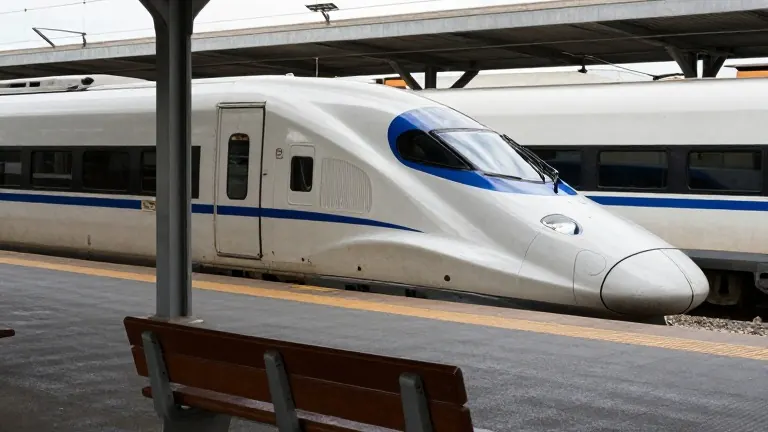
Families search for missing relatives after deadly Spain rail crash
More than 24 hours after two high-speed trains collided, thousands of volunteers and emergency crews work to account for victims and treat the 180 injured.
By Meera Fletcher ·
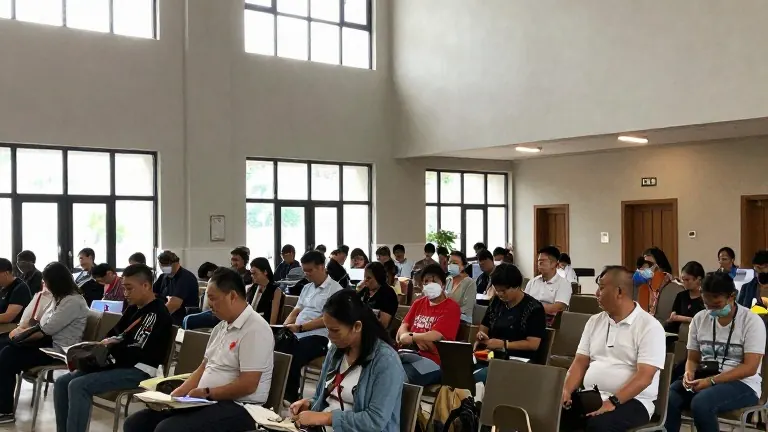
César Vicente sat in a converted religious center in Toledo on Thursday, waiting for news about his father. He traveled 307 miles from Seville to the site of the collision where two high-speed trains crashed. At least 69 people died and dozens were injured in the accident that occurred Wednesday morning.
Vicente’s father was riding in seat 13A on a RENFE train. That train struck an Iryo train that had stopped on the tracks. The actor described the search for his relative as unbearable. He said the situation felt like hell. He joined other families in taking a short walk in the cold morning air while looking for answers.
Relatives used social media to locate missing passengers. They posted photos and described clothing to help identify people. Alejandra Marroquín said her sister Adriana was in car 8 of the RENFE train wearing dark blue clothes. The family had not been able to contact Adriana as of Thursday morning.
Search teams used sniffer dogs to look for victims. Spanish Prime Minister Pedro Sánchez told reporters that the government was working to help families. He said the team aimed to shed light on the tragedy and strengthen security. This was the second high-speed rail disaster in Spain this year.
In January, 46 people died when a train jumped the track and hit another in southern Spain. The Spanish high-speed rail network is the second largest in the world after China. It had not seen a deadly crash since it began operating more than 30 years ago.
Residents of Urda, a town of 2,500 people south of Madrid, responded quickly to the crash. They helped move passengers to a nearby sports pavilion. David Gómez, a construction worker, said he and his colleagues cut through fences to reach the scene. They treated people with first-aid kits until emergency services arrived.
Authorities reported that 180 people were injured. Of those, 110 were taken to hospitals. Officials called for blood donations. More than 2,000 people volunteered in the Castilla-La Mancha region. Emiliano García-Page, the regional president, thanked the 1,300 emergency personnel who were mobilized. He praised the record number of blood donations.
Source: WKMG-TV