Koizumi: Japan, U.S. to co-produce F-35 missiles
The two nations agreed to build a facility in Japan for joint missile production during a meeting in the Philippines.
By Alessia Desai ·
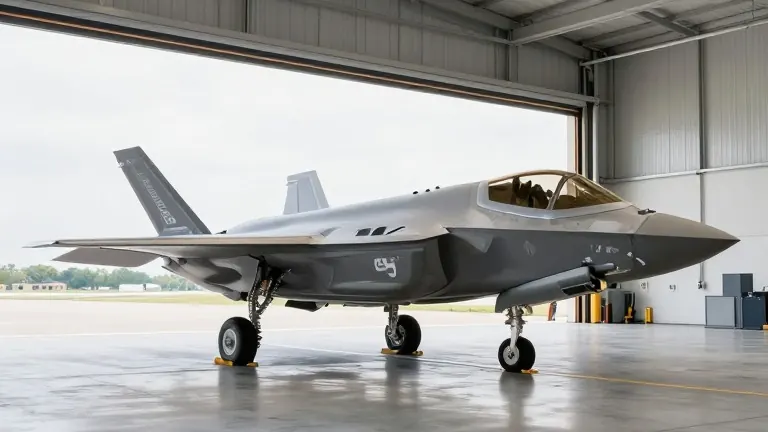
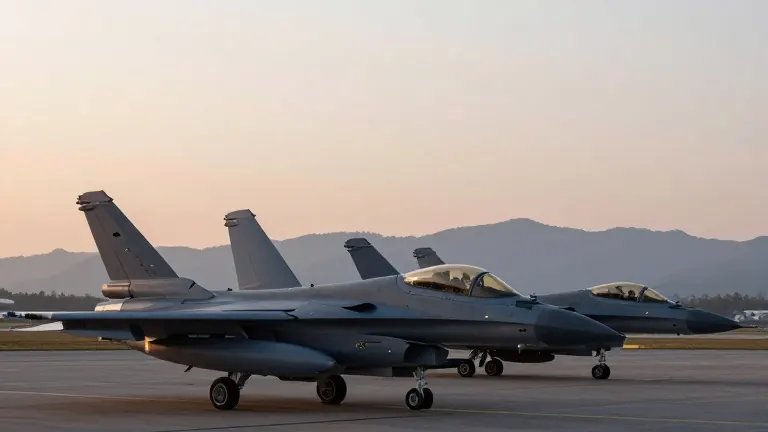
Japanese Defense Minister Shinjiro Koizumi announced late Wednesday that Japan and the United States will create a new facility in Japan for the joint production of advanced medium-range air-to-air missiles. The decision affects Japanese defense procurement and establishes a new industrial partnership between the two allies.
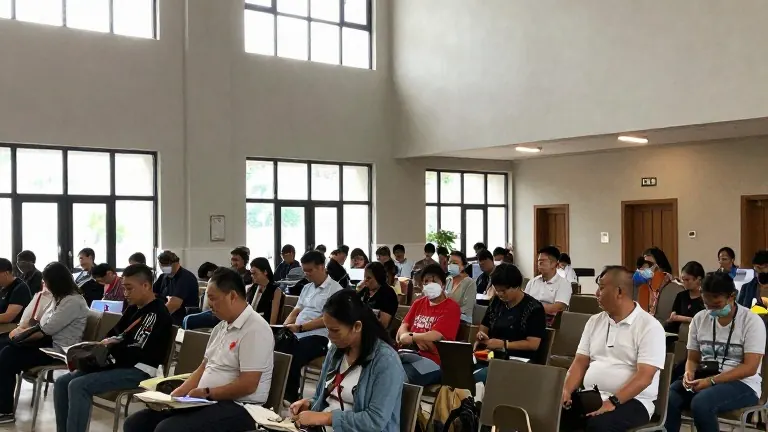
Koizumi made the statement at a news conference in the central province of Cebu, Philippines. He was speaking on the sidelines of an annual meeting of Southeast Asian defense chiefs, where he met with U.S. Defense Secretary Pete Hegseth. The missiles are designated as essential for the F-35 fighter jet, a aircraft used by both the U.S. and Japanese military.
The joint production effort is named Operation Supercharge. Koizumi stated that he and Hegseth shared a sense of crisis regarding the regional situation. The two leaders agreed to strengthen the deterrence and response capabilities of the Japan-U.S. alliance with greater speed and intensity than before.
In a separate meeting with ASEAN defense ministers, Hegseth outlined the U.S. strategy for the region. He described the approach as strong, quiet, and clear. The goal is to deter coercion and aggression while avoiding needless escalation or public theatrics. He said the message is clear enough for partners and potential adversaries to understand the United States' position.
The meetings in Cebu aim to avert major regional conflict and strengthen defense cooperation. Philippine Defense Secretary Gilberto Teodoro Jr., the host, led the ASEAN delegation. Both Koizumi and Hegseth avoided naming China directly, though they expressed concern over the increasingly severe regional situation. Koizumi noted that their discussions were not directed at any specific country.
The announcement follows repeated expressions of alarm from Washington and Tokyo regarding China's growing aggression in Asia. The dispute over the South China Sea remains a focal point of tension. Beijing claims most of the waterway, a key global trade route, while the Philippines, Vietnam, Malaysia, Brunei, and Taiwan also hold overlapping claims.
Washington has stated it is obligated to defend the Philippines if Filipino forces come under armed attack in the South China Sea. Confrontations between Chinese and Philippine vessels have escalated in recent years in disputed shoals and outlying waters.
Source: WKMG-TV