FCC blocks two gadgets with Huawei's AI chip
New rules allow regulators to block devices based on internal silicon, targeting a processor used in dashcams and video transmitters.
By Meera Fletcher ·
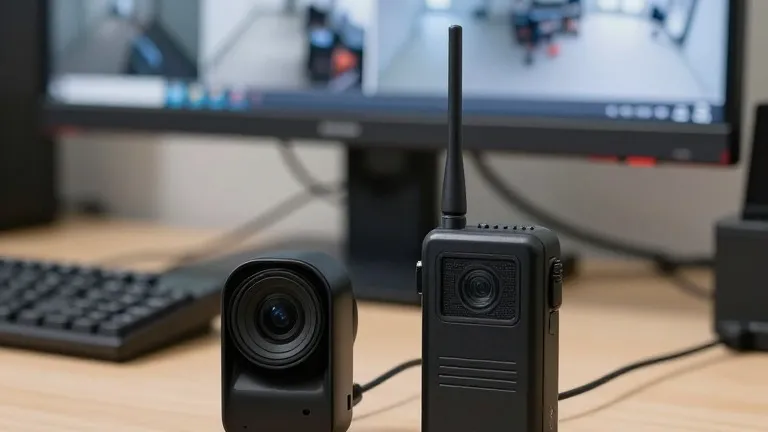
American consumers can no longer purchase two specific electronic devices because of the microchips inside them. The Federal Communications Commission issued its first bans under a new rule that scrutinizes the silicon within products, not just the brand names on the boxes. The blocked items are a dashboard camera and a wireless video transmitter. Both devices feature a processor from HiSilicon, a subsidiary of Huawei.
The regulatory shift closes a gap in how the US monitors hardware imports. Previously, companies could rebrand products containing restricted components to avoid scrutiny. The new rule targets the physical chip itself. This means a ban applies to the silicon, regardless of the final product label. The specific component at issue is the Hi3516CV610 UHD Smart Vision system on a chip. It is designed for surveillance and camera systems and integrates WiFi, Ethernet, and video encoding hardware.
The chip contains a neural processing unit that handles artificial intelligence tasks. The FCC views this unit as the source of concern. The agency categorizes it as a logic-bearing smart component made by an entity on the national security risk list. The chip's technical specifications state that its Intelligent Video Engine uses a dedicated multimodal large model. This allows the device to track relationships between objects across video frames. The system is designed to maintain attention on specific subjects such as pets, human faces, and parcels.
For a homeowner, this technology could distinguish between a pet running out the door and a stranger taking a delivery. The FCC, however, focuses on the potential for that same tracking ability to be used for broader surveillance. The agency argues the AI could log faces of US citizens for foreign intelligence purposes. Huawei appears on the FCC's Covered List of entities considered a risk to US national security. The company has faced previous scrutiny for using shell companies to secure chip manufacturing from TSMC despite US export requests.
The move has sparked debate among industry observers and readers. Some question whether the ban constitutes protectionism or if it draws a clear line between domestic and foreign surveillance. Others note that the FCC's authority extends to both wired and wireless communications under the Communications Act of 1934. Additional voices argued that chip-level bans were necessary from the start due to the many regional variants and revisions a single product can undergo.
Source: Tom's Hardware