FCC Expands Gadget Restrictions: TP-Link Pledges $1B for US Routers
The Federal Communications Commission is set to vote on banning Chinese test labs while major router manufacturers navigate new import waivers and domestic manufacturing requirements.
By Tomas Rahman ·
The Federal Communications Commission will vote on October 29 regarding a proposal to block all Chinese test labs from certifying US electronics by 2029. The agency seeks to mandate reciprocal economic relationships before authorizing foreign laboratories. This move follows recent decertifications of two Chinese firms, SLG-CPC Test Laboratory and Shenzhen STS Test Services, which were cited for providing false equipment test results.
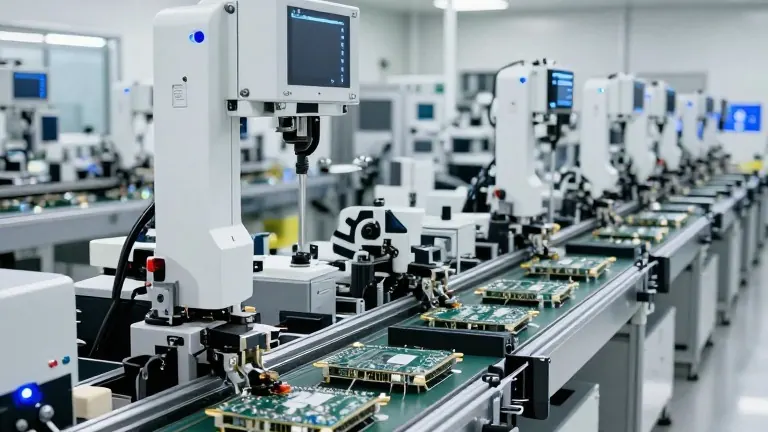
Amid these regulatory shifts, TP-Link announced it will invest nearly $1 billion to assemble Wi-Fi 8 routers in the United States. In a letter to the FCC, the company stated it aims to create hundreds of high-paying jobs in research, development, and construction over the next four years. TP-Link plans to begin US assembly of these devices by 2027 if the agency grants an exemption from the current foreign router ban.
The FCC banned all future foreign routers earlier this spring unless manufacturers prove they are not national security threats and submit detailed plans for US manufacturing. Despite this requirement, competitors Netgear and Asus secured blanket waivers for all new gear without publicly announcing US manufacturing commitments. Asus recently confirmed its exemption allows it to import early Wi-Fi 8 routers, though it has not confirmed whether it submitted a manufacturing plan to the FCC.
The restrictions extend beyond routers to include drones, robots, and power inverters. The agency banned future foreign drones in December 2025, a rule that has already disrupted the market for devices like the HoverAir Versa. HoverAir, which markets its product as a steadycam with optional propellers, stopped taking US orders for the flight kit just days after its Indiegogo launch. The FCC database no longer lists the device, suggesting its authorization was revoked.
Official documents have not publicly detailed the specific security risks posed by these imported devices. The Pentagon sent sealed letters to 16 congresspeople explaining the drone ban, but the government has not released public evidence of the threats. Meanwhile, the FCC is reviewing a plan to require online marketplaces like Etsy to verify the FCC status of every device listed. Platforms would need to validate equipment before sale, a rule that small sellers argue places a heavy burden on micro-entrepreneurs.
The agency also confirmed that its ban on advanced robotic devices includes robot vacuum cleaners. The rule targets foreign-made mobile robots that map homes and carry cameras or microphones. No major robot vacuum manufacturers currently produce these units in the United States, meaning most new models from overseas firms will require waivers or domestic assembly to enter the market.
Source: The Verge