Federal regulators propose cyan lights to identify driverless cars on the road
The NHTSA is seeking to standardize a specific blue-green signal for autonomous vehicles to improve clarity for other road users.
By Ishani Kapalli ·
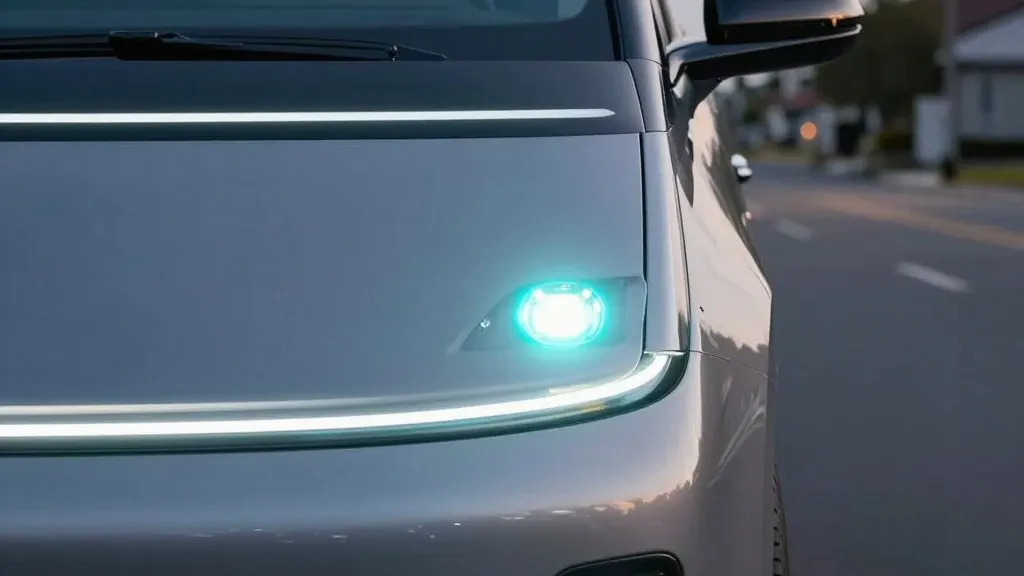
The debate over how driverless vehicles should communicate their status to the outside world has persisted for years. Various concepts, including flashing text, audio alerts, and custom lighting arrays, have been proposed by different stakeholders. However, federal regulators have now stepped in to offer a specific and singular solution: a distinct blue-green light. This move aims to cut through the confusion and provide a uniform standard for the industry.
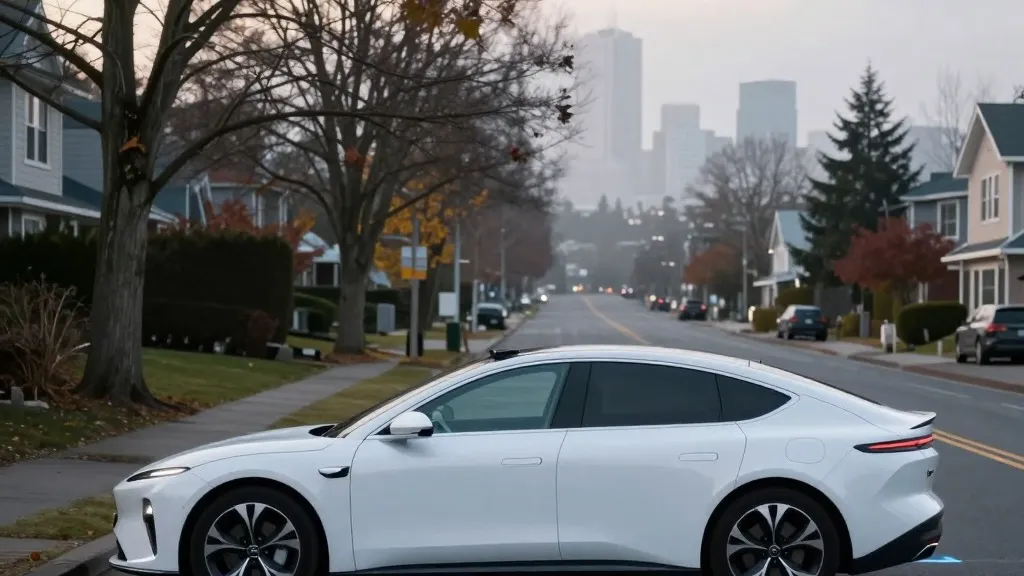
The National Highway Traffic Safety Administration recently released proposed changes to Federal Motor Vehicle Safety Standard No. 108. The update specifically rewrites the rules to accommodate autonomous vehicles. The proposal includes a mix of measures designed to reduce bureaucratic hurdles for human-free designs while standardizing how these cars interact with their environment. The centerpiece of this communication strategy is the use of cyan-colored marker lamps. The agency wants to use this color to clearly and consistently signal to law enforcement and other drivers when an automated driving system is in control.
The choice of cyan is driven by the need to fill a visual gap in the existing automotive lighting spectrum. The auto industry currently relies on red, amber, white, and flashing blue or red lights for functions such as braking, turn signals, headlights, and emergency vehicle indicators. By introducing a new hue, regulators hope to avoid confusing road users who are already accustomed to these traditional colors. There is some precedent for this approach, as Mercedes-Benz previously received state-level approval for turquoise lights on its Level 3 Drive Pilot vehicles, although the company later shifted its strategy toward a Level 2++ system.
Under the proposed rule, installing these cyan lights would remain optional for manufacturers. Nevertheless, the NHTSA intends to establish official federal standards regarding the color, brightness, and location of the lamps. This ensures that any automaker, from robotaxi operators like Waymo, Nuro, and Zoox to traditional brands like GM and Mercedes, uses a consistent and legal setup if they choose to implement the feature. The goal is to prevent a fragmented landscape where different companies use different colors or signals.
The proposal also targets the removal of lighting requirements that do not apply to vehicles without human drivers. Current rules mandate physical hazard switches, manual beam shifters, and interior turn levers. The agency proposes to eliminate these requirements, allowing for more streamlined interior designs. Additionally, the update would revise the 12.8-volt testing standard to align with modern LED architectures and remove specific rules about the vertical placement of high-beam and low-beam lights.
This regulatory update is part of a broader push by the Department of Transportation to streamline the deployment of autonomous vehicles. The government aims to make it easier for manufacturers to build cars without traditional controls like steering wheels and pedals. However, regulators continue to enforce existing rules strictly. Last month, the NHTSA opened an audit query into the Tesla Cybercab to examine the technical data used during its certification. This review focuses on the vehicle's lack of sideview mirrors, pedals, and a steering wheel, features that are currently required under federal safety standards.
The next steps in this process will depend on how the industry and the public respond to the proposed changes. If finalized, these rules will provide a clear framework for the next generation of autonomous transportation. For now, the proposal serves as a significant signal that federal authorities are ready to define the visual language of the driverless era.
Source: The Verge