Fentanyl Oversight: DEA Agent Accuses Agency of Letting Pills Hit the Streets
A veteran Special Agent claims federal investigators allowed millions of pills to circulate despite internal warnings and a 2023 incident involving a child in a car.
By Tomas Rahman ·
David Howell, an active Drug Enforcement Administration Special Agent, told CBS News that federal investigators allowed millions of fentanyl pills to reach the market over a three-year period. Howell, who spoke in his first television interview, said he repeatedly warned DEA managers that the agency’s standard tactics were dangerous for a drug this lethal. He stated that leaders did not respond to his concerns until recent events in New Mexico forced the issue.
The agent describes a practice known as letting drugs walk, where officers allow traffickers to distribute product to build larger cases. Howell argues this method causes more harm with fentanyl than with other substances. He noted that while the agency historically let drugs circulate, specific instructions regarding fentanyl created confusion on the ground. "The difference was we were told not to with fentanyl," Howell said.
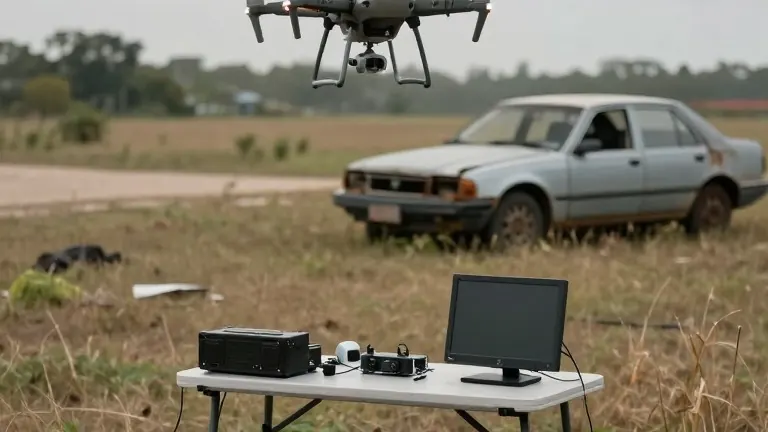
Howell pointed to a specific incident in 2023 in Albuquerque to illustrate the operational challenges. A team tracking a suspect from the air observed a white SUV picking up a child. Agents in a black truck stopped the vehicle and secured the child before detaining the driver. Howell said the team removed between 6,000 and 7,000 fentanyl pills from the car, along with a gun hidden in a compartment under the child’s seat.
Howell said he expected the U.S. Attorney's Office for the District of New Mexico to approve the seizure. Instead, officials called the agents into their office to criticize the decision. Howell claimed the prosecutors were willing to let the pills go to the suspect's home with the child. This internal friction highlights the tension between local law enforcement priorities and federal investigative strategies.
State officials in New Mexico have escalated their response to the crisis. Attorney General Raúl Torrez sued the federal government over the practice of letting fentanyl walk. Torrez stated that the state's worsening statistics appear directly connected to this federal approach. Officials in the wider Albuquerque area declared a state of emergency after a rise in overdose calls. Howell filed a whistleblower complaint that was first reported by The Associated Press and Albuquerque Journal in June.
The Department of Justice said DEA Administrator Cole requested an independent investigation by the DOJ Inspector General when the whistleblower complaint surfaced. The department stated the investigation remains ongoing and declined to comment further. The DEA added that if improvements are identified, the agency will implement them. Howell said his city is being destroyed by the drug and that he is speaking to tell the people what is happening.
The DOJ statement confirmed the agency is reviewing the allegations but provided no timeline for the independent probe. Howell remains an active agent while the investigation proceeds. The conflict between local emergency declarations and federal investigative tactics continues to define the response to the fentanyl crisis in the Southwest.
Source: CBS News