Mélenchon calls for fundamental reset of French-German relations
The LFI leader criticized Berlin's economic policies and military expansion during a visit to Germany, urging a complete rethinking of bilateral ties ahead of the 2027 election.
By Alessia Desai ·
Jean-Luc Mélenchon, the leader of the hard-left France Unbowed party, declared on Friday that France requires a comprehensive reevaluation of its relationship with Germany. Speaking during a visit to Berlin, the presidential candidate for the upcoming 2027 election described the current dynamic as needing a thorough overhaul. He expressed strong opposition to what he characterized as the dominance of German economic liberalism within the European Union structure.
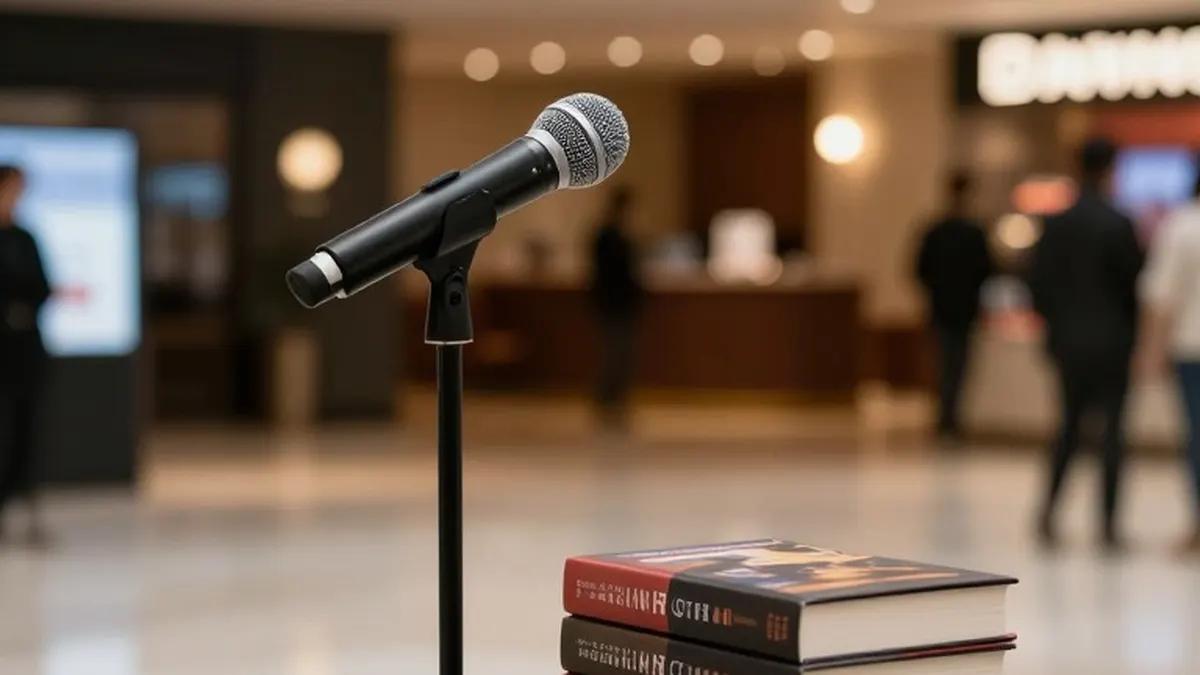
The 75-year-old politician made these remarks while attending the launch of the German edition of his latest book at the Babylon cinema in Berlin. During the event, he stated openly that he is hostile to the liberal economic policies pursued by successive German governments. These policies, according to Mélenchon, have allowed Berlin to maintain a position of influence over the broader EU framework.
Mélenchon’s stance highlights a significant ideological divide between his platform and traditional German fiscal doctrines. His economic proposals include a plan to cancel French debt held by the European Central Bank. This approach stands in stark contrast to the German preference for tight budgets and low borrowing levels, creating a clear point of tension between the two political visions.
Beyond economics, the LFI leader voiced concerns regarding Germany’s increasing military capabilities. He criticized Chancellor Friedrich Merz’s commitment to building the strongest conventional army in Europe. Mélenchon warned that this expansion could inadvertently make France a target for other nations, potentially drawing Paris into conflicts it did not seek.
During the press conference, he questioned the strategic purpose of such military buildup, asking rhetorically who Germany intends to wage war against. He argued that the current posture risks pulling France into unwanted engagements due to its close alliance with Berlin. This warning comes at a time when European security dynamics are shifting rapidly.
Political rivals have frequently accused Mélenchon of aligning too closely with Russian President Vladimir Putin. A major point of contention for France’s allies is the LFI pledge to withdraw from NATO, a move that raises eyebrows given the ongoing war in Ukraine. Critics argue that such a shift could complicate France’s security commitments within the alliance.
Mélenchon has been particularly vocal in his criticism of Germany’s position in the Ukraine conflict. He accused the Merz government of engaging in aggressive posturing that escalates tensions without achieving clear results. He urged German leaders to moderate their tone, suggesting that their competitive one-upmanship leads to no productive outcome.
Despite these sharp criticisms, Mélenchon denied being Germanophobic. He described himself as a follower of Karl Marx and an admirer of the composer Beethoven, citing these cultural and intellectual connections as proof of his appreciation for Germany. He expressed pride in the translation of his book, which is titled Now, the People! Revolution in the 21st Century in English.
The visit also served to strengthen ties with the German far-left. Mélenchon highlighted his close relationship with the Die Linke party, which secured the top position in Berlin’s state election in September. He met with Ines Schwerdtner, the national leader of that party, on Friday.
The two leaders discussed their shared goals, with Mélenchon stating that they are united in their efforts to mobilize against an economy focused on rearmament and war. This alignment underscores the growing cooperation between left-wing movements across the border as they prepare for future political challenges.