India proposes 162.5% duty on bulk Scotch, stalling U.K. trade deal
New Delhi’s decision to classify unaged whisky as a raw material has left thousands of liters of product stuck in ports, raising costs for major global spirits firms.
By Alessia Desai ·
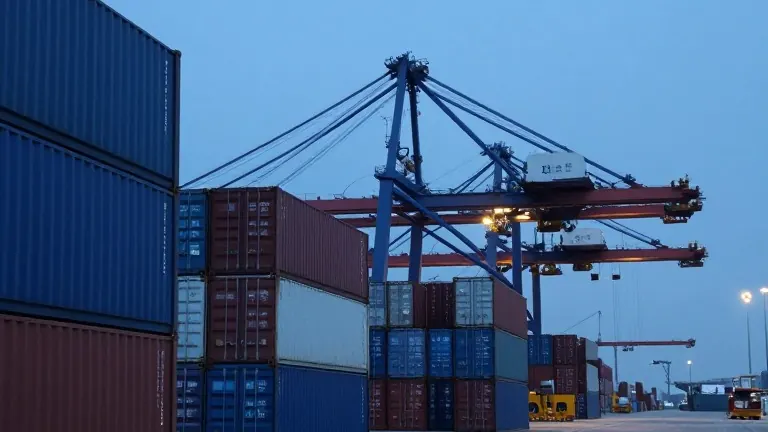
India intends to charge a 162.5 percent import duty on bulk Scotch whisky, a rate that exceeds the 150 percent duty in place before the recent trade agreement with the United Kingdom.
This move creates an immediate conflict with the terms of the U.K.-India deal, which was designed to lower barriers for British exports. The agreement scheduled a gradual reduction in tariffs on bulk Scotch, starting at 75 percent and dropping to 40 percent over ten years.
The discrepancy stems from how Indian authorities categorize the product. Officials from the commerce ministry stated that the preferential rates in the treaty apply only to bottled Scotch. They view bulk, unaged spirits as a raw material rather than a finished good. The ministry did not respond to CNBC requests for details on the specific tariff calculations.
The regulatory ambiguity has caused physical backups at Indian ports. According to a report from Reuters, more than 80 shipping containers of bulk Scotch are currently held in customs. These shipments belong to global brands including Pernod, Diageo, and Bacardi. The delays add logistical costs and uncertainty for exporters who planned to ship product under the new, lower rates.
Sohrab Bararia, a partner at Grant Thornton Bharat, explained that Indian tax authorities classify these imports as compound alcoholic preparations. This designation excludes them from the negotiated preferential rates. Distillers counter this view, arguing that genuine Scotch whisky retains its identity whether it is imported in bulk for later blending or shipped in finished bottles.
A U.K. government spokesperson said ministers are working urgently with the Indian government to resolve the issue. The goal is to ensure British businesses can export under the originally agreed tariffs. The diplomatic effort seeks to prevent this specific dispute from undermining the wider economic relationship between the two nations.
The trade deal was finalized last year after three years of negotiations involving 14 rounds of discussions. Officials project the agreement will boost bilateral trade by 25.5 billion pounds, or approximately 34 billion dollars, annually by 2040. Executives at Diageo and Chivas Brothers have praised the deal for its potential to support the Scotch industry and the Scottish economy.
India is the world's largest whisky market by volume, making it a central target for British exporters. Reema Bhattacharya, head of Asia research at Verisk Maplecroft, noted that exporting bulk Scotch allows British producers to build long-term ties with Indian companies. This strategy helps deepen their stake in the South Asian alcoholic beverage industry.
The Indian market is currently dominated by Indian-made foreign liquors, which often blend local spirits with imported malts. A September report by HDFC Institutional Research stated that nearly 100 million new consumers will reach legal drinking age in India over the next five years. This demographic shift occurs while markets in the U.S., Europe, and China face volume contraction and aging populations.
Parth Shah, a partner at Deloitte India, warned that the lack of preferential tariffs could have substantial financial implications for importers. He noted that the situation could particularly affect Indian manufacturers who have invested in domestic blending and bottling operations. Industry bodies, including the International Spirits and Wine Association, are in talks with the commerce ministry to ensure adherence to the free trade agreement.
More Business · National news · Business Complaints · Report a business · Got a Story?