Israel's election deadlock strains Palestinian seat gains as West Bank sieges persist
Arab-led parties won 19 seats, yet coalition talks exclude them while Hebron faces economic losses of over 3 million dollars.
By Alessia Desai ·
Palestinian citizens of Israel won a record 19 seats in the recent election, but Israeli coalition negotiations are already moving to exclude them from power.
Approximately 840,000 voters supported Ra’am and the Joint List, marking a 64 percent increase over the 2022 results. Adding these seats to opposition leader Gadi Eisenkot’s bloc creates a 67-seat coalition capable of governing. Without them, only a unity deal between major Zionist blocs or a new election remains possible.
Prime Minister Benjamin Netanyahu’s Likud party alleged the election was stolen through Qatari financing, a claim Qatar denied. Police sources told The Times of Israel there was no evidence of widespread fraud. By Sunday, election committee chairman Noam Sohlberg declared the process conducted properly. Despite this, right-wing leader Avigdor Lieberman ruled out Palestinian partners, and Eisenkot set four conditions for coalition members that conflict with Palestinian party platforms, including mandatory national service for all citizens.
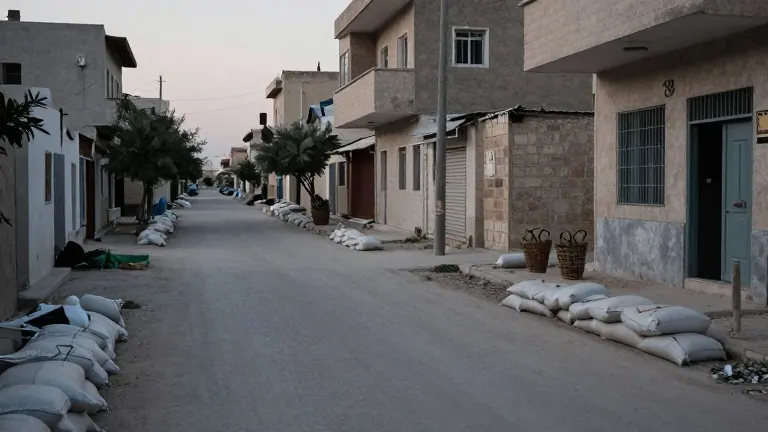
While political leaders debated the results, Palestinians in the occupied West Bank endured a ten-day siege in Hebron. By October 29, Al Jazeera’s data unit counted ten sealed entrances and about 5,000 displaced residents. The army made at least 120 arrests and demolished 13 businesses by Friday. Governor Khaled Dudin announced the army’s withdrawal on November 2, allowing displaced families to return.
The economic impact of the Hebron operation is substantial. Dudin estimated daily losses at 10 million to 12 million shekels, or 3.2 million to 3.8 million dollars. This city accounts for roughly 40 percent of Palestinian industrial output. The Jerusalem Post reported that the army’s chief of staff recommended leaving Hebron before the election, but Netanyahu refused.
Sieges continue in other West Bank areas. In Masafer Yatta, at least 12 villages were cut off. Yousef Shanaran, besieged in his home in Wadi Rakhim for four weeks, reported that settlers poisoned his family’s well. He stated, “No water, no food, nothing at all I’ve got.” The United Nations Office for the Coordination of Humanitarian Affairs documented 397 settler attacks in the first 26 days of October, a monthly high since 2006. These attacks often disrupt the olive harvest.
In Gaza, the United Nations human rights office warned on October 30 that the “Yellow Line” is functioning as a kill zone moving westward. The Ministry of Health reported 1,593 deaths since last year’s ceasefire by November 2. Sunday was the deadliest day of the week with at least eight killed. Israeli authorities claimed many victims were Hamas fighters, though they provided no evidence for specific cases.
Humanitarian conditions in Gaza remain critical. The Red Crescent warned on Monday that the health system is at risk of collapse after 26 hospitals went out of service due to fuel shortages. The Social Development Ministry stated that 200,000 tents are needed, yet only dozens have arrived due to Israeli entry restrictions.
Source: Al Jazeera