Russia Demands NATO Troops Return to 1997 Borders in New Draft
A document dated November 10, presented in Abu Dhabi, seeks to reverse alliance expansion and remove military bases from Central and Eastern Europe.
By Alessia Desai ·
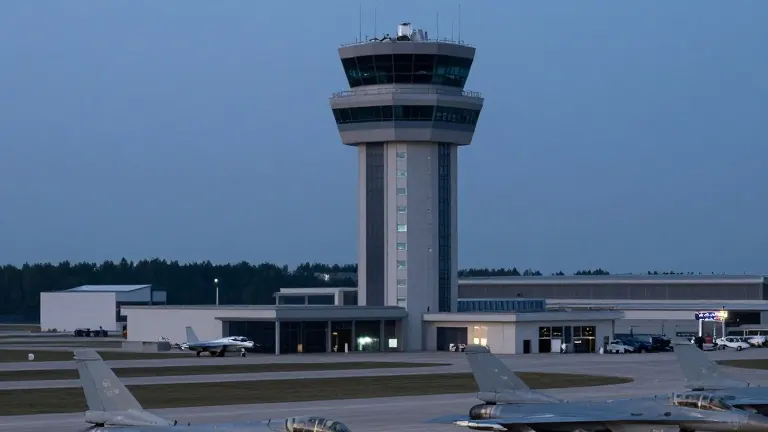
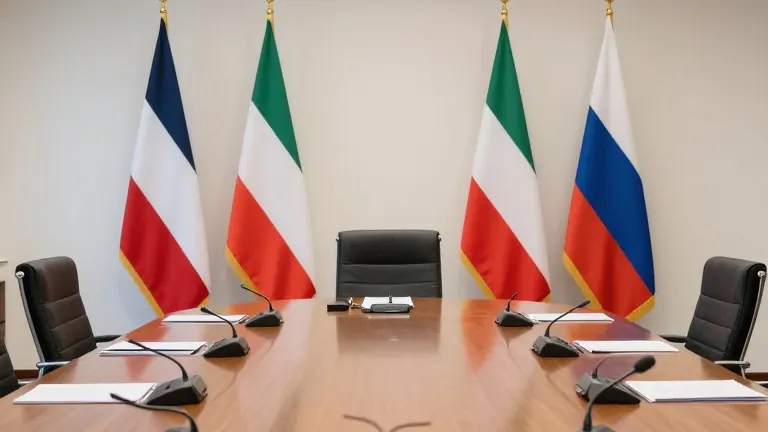
The defense posture of Baltic and Black Sea nations could change if Russia succeeds in a new proposal. Russian negotiators in Abu Dhabi presented a draft document dated November 10 that asks NATO to pull its troops and bases back to their 1997 positions. This would reverse the alliance's eastward growth over the last three decades.
According to The New York Times, the plan does not require existing members to leave the alliance. Instead, it demands an end to NATO's military presence in countries that joined after 1997. In that year, the alliance had 16 members. Poland, the Czech Republic, and Hungary were invited but had not yet formally joined. Today, NATO counts 32 members across Europe and North America.
The withdrawal would alter daily defense operations in several nations. Since 2004, allies including Germany have rotated air policing duties over Estonia, Latvia, and Lithuania. These Baltic states lack independent fighter jet capabilities for this task. The mission has become part of a wider air defense presence since 2026. A planned German Lithuania Brigade, expected to be fully operational by the end of 2027, would also face a halt. In Romania, the Mihail Kogalniceanu Air Base near Constanța is currently expanding. When finished, it will become Europe's largest NATO air base by area, surpassing Ramstein in Germany.
Eastern European leaders have rejected the idea. Polish Prime Minister Donald Tusk told TVP World that no one will establish new security rules over the heads of Poland and Europe. Bulgarian President Rumen Radev called the withdrawal unthinkable and unrealistic. He argued that no external pressure should force a country to reverse its alliance choice. Estonian Prime Minister Kristen Michal stated that Europe's security order is working well and that the country has nothing to discuss with Russia on the matter.
Article 5 of the NATO treaty obligates members to aid an attacked ally. For this clause to deter an aggressor, that aggressor must believe NATO can intervene quickly. Troop deployments on the eastern flank serve this purpose. A withdrawal could make defense harder and lead Russia to believe an attack carries fewer risks for Moscow. European countries have agreed that states are free to choose their alliances. NATO Article 10 enshrines this open-door policy. The 1997 NATO-Russia Founding Act stated neither side had the right to veto the other's decisions.
No major Western player has yet expressed willingness to accept the Abu Dhabi demands. Former Polish intelligence coordinator Stanislaw Zaryn viewed the talks as an attempt to buy time and weaken the West before a future confrontation. Russia has long cited alliance expansion as a root cause of the war in Ukraine. The draft also proposes that NATO members present in 1997 refrain from deploying additional troops or weapons on other European territories beyond levels set on May 27, 1997.