The Daily Set Lunch in Spain Is Under Pressure
A new book argues that the traditional midday meal is fading due to cost and lifestyle changes, yet it remains a vital social anchor for many.
By Tomas Rahman ·
The iconic midday spread in Spain is facing a significant threat as economic and social pressures mount.
Known as the menú del día, this set-price lunch has been a cornerstone of the country's food culture for over fifty years. On most weekdays, approximately four million of these meals are still served. However, the trend is declining. In 2009, renowned chef Ferran Adrià declared the tradition effectively dead, citing shifts in eating habits and the rise of expensive bistro dining. Yet, nearly two decades later, the practice persists, though its longevity is now subject to debate.
Spanish food journalist Lakshmi Aguirre has explored this phenomenon in a new book. She contends that while the daily menu is struggling, it has not disappeared. The origins of this custom are less romantic than many Spaniards realize. It began in the mid-1960s as a tourist-oriented initiative by Manuel Fraga, the information and tourism minister under the Franco regime. The goal was to showcase food abundance to visitors after the post-civil war scarcity. Regulations mandated specific components, including a soup starter, a main course with sides, and a dessert, all at fixed prices between 50 and 250 pesetas. By the early 1970s, the name was changed to encourage domestic consumption rather than just attracting tourists.
Today, many residents are unaware of this governmental origin. Aguirre noted that people are often shocked to learn of its roots, suggesting a rapid collective forgetting. She views the menu as a reflection of societal changes and observes a growing sense of nostalgia as the habit fades. Several factors contribute to its decline. The average price has risen to €14.70. Time-poor workers often opt for quicker alternatives, such as packed lunches or ready-made meals. Additionally, rising costs for energy and ingredients make it difficult for small, family-owned establishments to maintain daily rotating menus. Some restaurants have simplified their offerings to a single daily dish, while others have incorporated Latin American ingredients to match the country's diverse demographics.
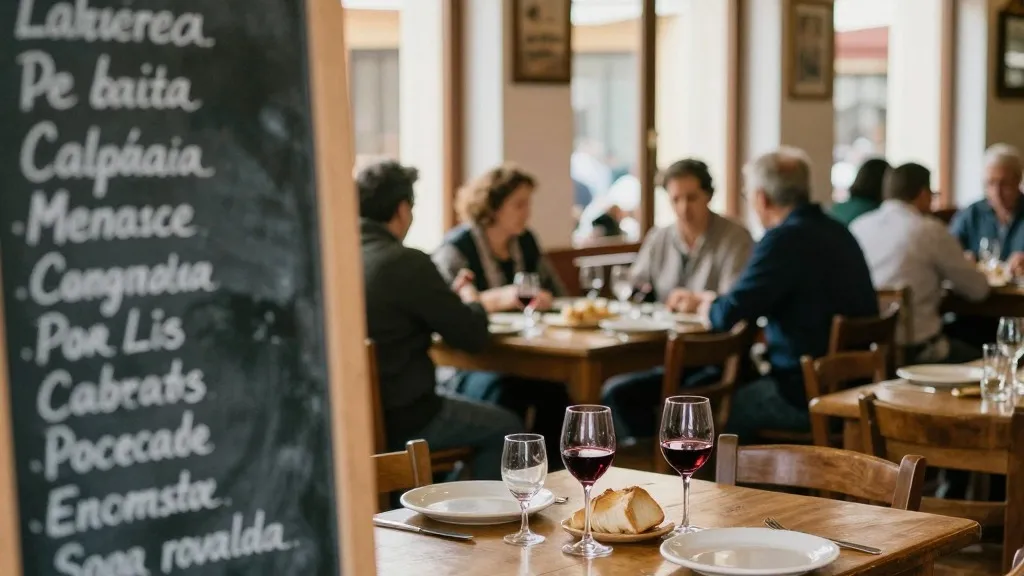
Aguirre accepts these adaptations as natural evolutions. She describes her ideal version as a simple vegetable stew, a fish main like hake in green sauce, and a sweet finish like rice pudding. She judges a good spot by its simplicity, regular changing menu, fresh ingredients, and a steady stream of regulars. She warns against trendy items like avocado or sourdough bread on the chalkboard. A nice bonus, she suggests, is seeing the owner's child doing homework at a back table.
For Aguirre, the issue is more than just a cheap meal. She describes the restaurant as a crucial social hub. It provides a place for families with limited budgets to dine out and offers companionship to those living alone. She emphasizes that the true value lies not only in affordability but also in the time afforded to enjoy the meal.
As costs rise and schedules tighten, the future of this daily ritual remains uncertain, but it continues to define the rhythm of the Spanish workday.
Source: The Guardian