Tip Screens: A new friction point in travel and dining
Digital prompts now precede service at kiosks and apps, prompting experts to question the ethics of pre-loaded gratuities.
By Tomas Rahman ·
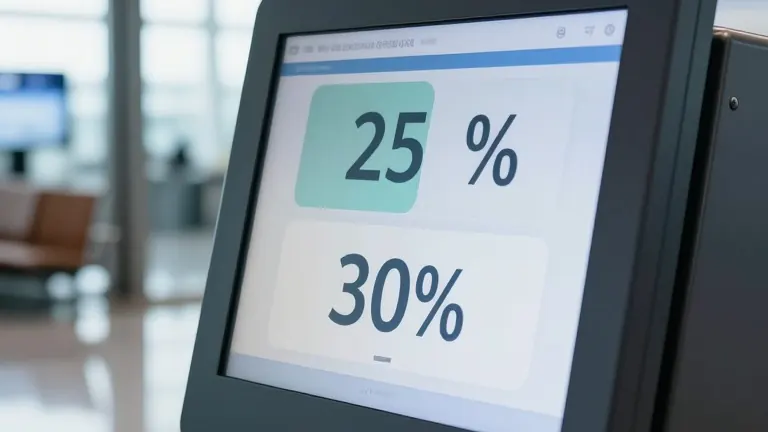
The shift from human courtesy to algorithmic pressure has turned simple transactions into moments of anxiety. Cara Laban, a former restaurant server and founder of an online travel tool, recently bought a bottle of water for $7 at an airport kiosk. Before she finished the transaction, the terminal asked if she wanted to tip 25% or 30%. Laban declined, noting she did not love tipping on a drink she had to retrieve herself from a fridge.
This pattern is spreading across the hospitality sector. Chip Lupo, a WalletHub analyst, states that aggressive tipping prompts are becoming a growing source of frustration. More than two in five Americans believe the U.S. should ban tips, and 81% say the practice has gotten out of control. Faiz Ahmed, a payment infrastructure expert, explains that most kiosks set the default tip flow to maximize business revenue. Ahmed notes that terminal makers know exactly what conversion lift each layout produces, leading to larger buttons and higher percentages while the 'no tip' option moves to a less prominent position.
The timing of these prompts often precedes the actual service. Anneliese Place, a former nightclub owner, observes that the pressure used to be human, coming from a look or a moment of expectation. Now, the screen does the nudging before any service is delivered. In Sydney, Australia, a traveler received a prompt for a 20% or 30% tip on a pizza order before finishing the placement on a phone app, despite the country lacking a comparable tipping culture. James Kastelein, a service business owner in Richmond, Va., argues that a legitimate gratuity prompt comes after the service, not before.
Philosophers argue that pre-loaded prompts undermine the core function of tipping. Andrew Cullison, executive director of the Cincinnati Ethics Center and a professor at the University of Cincinnati, says tipping was designed to reward service after it has been rendered. Cullison points out that tipping in advance works against both the reward and the incentive that justified the practice. He also identifies a form of coercion in the social pressure of a public screen, where declining a tip before anyone makes your sandwich may affect the service you receive.
India’s Ministry of Road Transport and Highways ordered ride-hailing apps to delete tip prompts that appear before or during a trip this summer. Under the country’s Motor Vehicle Aggregator Guidelines, an app can offer a tip button only after the ride ends. The driver receives the full amount with no cut for the platform. This regulation responded to apps that offered an 'advance tip' or hinted that a tip might get a car faster.
Experts suggest practical ways to manage these prompts. Justin Carter, an assistant professor of management at the University of North Alabama, recommends treating every tip prompt like any purchase decision. He advises readers to slow down, read the screen, and choose an amount that matches the service actually provided. Gregory Lee, the chief operating officer for a Boston apartment rental site, offers a litmus test: did a specific human just do something tangible? If the answer is no, he suggests declining without feeling cheap.
Laban carries small bills to tip workers directly when she is unsure the platform payment reaches the person who helped her. She draws the line at a gratuity for a bottle of water. If she receives great service, she asks the worker if they get the tip directly. If they get all of it, she tips the platform. If not, she tips cash. She did not feel like a monster for not tipping on the water.