UW Students Cap Halloween Costs at $100
University of Wisconsin-Madison students are limiting their spending to avoid the national average of $115 while reducing their environmental footprint.
By Alessia Desai ·
Students at the University of Wisconsin-Madison are setting a personal spending limit of $100 for Halloween outfits this year. The group is rejecting the pressure to buy new, elaborate costumes in favor of secondhand options and creative reuse. This approach aims to balance social expectations with financial constraints and environmental concerns.
The National Retail Federation projects that Americans will spend $13.5 billion on Halloween items this year. That figure works out to an average of $115.14 per person. The UW students are aiming to stay below that national benchmark. They view the high cost as a barrier to sustainable fashion choices.
Hadley Wendorff, a senior at the university, noted that campus culture often drives up expenses. She said, "If your friends have a great costume you wanna have a great costume too." Wendorff observed that many students wear multiple elaborate outfits over the weekend, increasing both spending and waste.
Lily Myhra, a junior, typically spends between $50 and $100 on her costumes. She often finds items on the resale platform Depop. Matteo Rovera, also a junior, admitted to owning three costumes for this year despite his preference to wear only one. He attributed the increase to peer influence, stating, "There's fads for the year."
The fast fashion model, which relies on low-priced, quickly produced clothing, contributes significantly to environmental degradation. Fashion production accounts for 10% of global carbon emissions. Additionally, 85% of textiles end up in landfills annually. A single-use costume bought from retailers like Shein or Spirit Halloween fits this pattern closely.
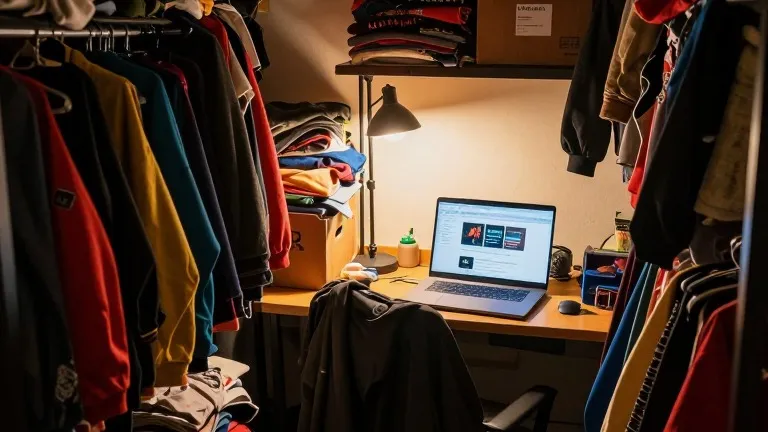
To mitigate these costs and impacts, students are turning to thrift stores, Facebook Marketplace, and Vinted. Others are swapping old costumes with friends or digging through their own closets. This strategy allows them to dress as recognizable characters, such as zombies or figures from the show "Odyssey," without relying on fast shipping from major online retailers.
The students advise buying pieces that can be reused for future events or daily wear. This method reduces the total cost per outfit and extends the life of the garment. By avoiding single-use purchases, they aim to keep their Halloween celebrations affordable and less taxing on the environment.
Source: The Daily Cardinal