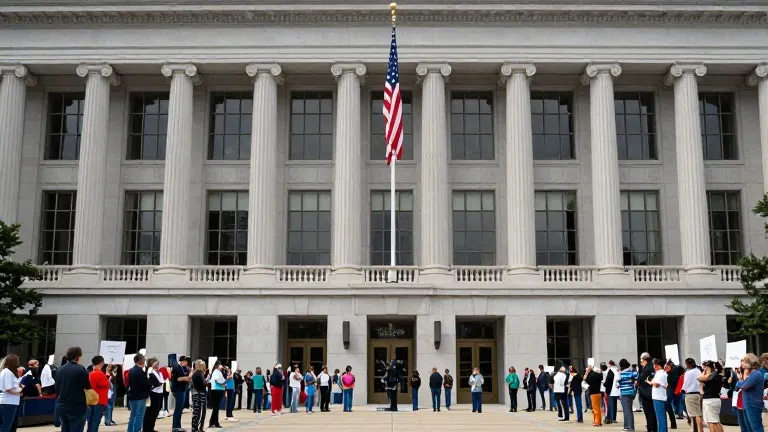
California Voters Reject Billionaire Wealth Tax
The measure would have levied a one-time 5% fee on high-net-worth individuals to fund healthcare, but a split Democratic party and heavy opposition spending led to its defeat.
By Meera Fletcher ·
California voters defeated Proposal 40 on November 9, 2026, rejecting a plan to impose a one-time 5% tax on the wealth of billionaires. The Associated Press called the race, ending a campaign that deeply fractured the state's Democratic establishment.
Advocates, including the healthcare union SEIU-UHW, argued the tax would generate approximately $100 billion for healthcare programs. They contended that federal tax cuts for the wealthy required state-level intervention, noting that California is home to more than 200 billionaires. Opponents countered that the tax would incentivize wealthy residents to leave the state, thereby reducing overall revenue and damaging the local economy.
The Democratic party in California split over the measure. The state party organization, Representative Ro Khanna of California, and Senator Bernie Sanders of Vermont supported the tax, with Sanders traveling to the state to campaign for it. In contrast, Governor Gavin Newsom and gubernatorial candidate Xavier Becerra opposed it, arguing for a national wealth tax instead. A major teachers union also voted against the proposal, citing the small portion of revenue designated for schools.
Sergey Brin, co-founder of Google, led a substantial financial effort to defeat the measure. He coordinated with other wealthy Californians to spend at least five times more against the proposal than in support of it. Brin also funded two separate ballot initiatives designed to block the tax from taking effect if voters had approved it.
The result leaves the state without the new revenue source for healthcare. The proposal had been framed by supporters as a necessary response to federal policy, but the decisive vote indicates a preference among California voters for the status quo regarding wealth taxation.