Trump's $5,000 Dividend: A Vote-Buying Gamble Now Stuck in Congress
With Democrats holding both chambers, the president's campaign promise faces a steep climb through a newly empowered legislative body.
By Alessia Desai ·
President Donald Trump promised to send a $5,000 check to every American adult if his Republican Party retained control of Congress, a pledge that has become a central point of contention in the aftermath of Tuesday's historic election results. At the Republican Midterm Convention in Dallas, the president told the crowd that if the GOP won the House and Senate, voters would receive what he called the Trump Dividend. The promise was explicit: if Republicans won, citizens would get $5,000. That conditional offer has now moved from campaign rhetoric to a policy challenge for a divided government, where the party that made the promise no longer holds the keys to the legislative lock.
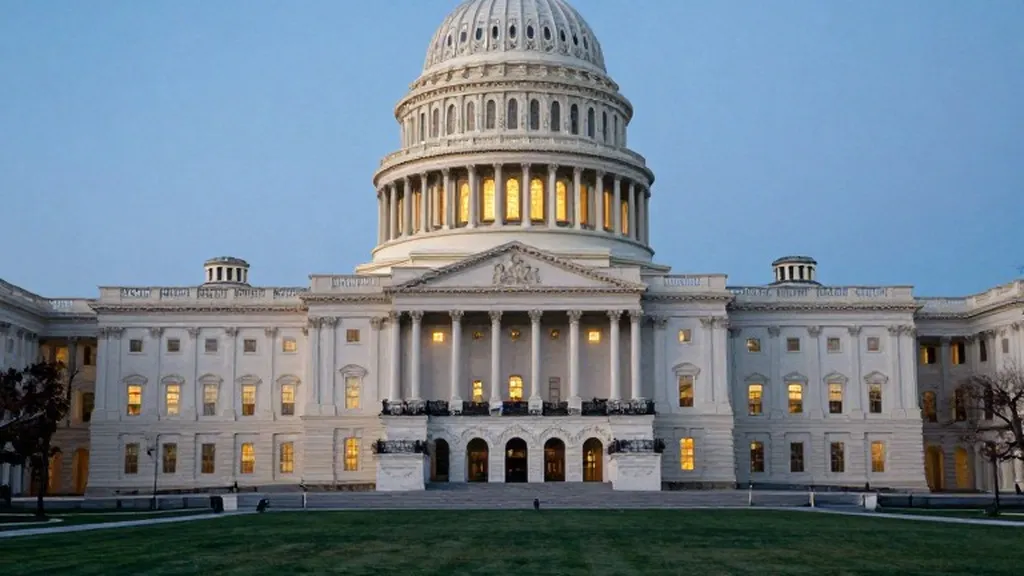
The election results, compiled by Ballotpedia and the Associated Press, show that Democrats have taken full control of both chambers of Congress. The party gained a net of 30 seats in the House and 7 in the Senate, shifting the balance of power decisively. This sweep puts the burden of funding Trump's promise on a Congress now led by Democrats, who have already signaled a robust oversight agenda and a focus on lowering the cost of living. The question of whether the dividend was an attempt to buy votes is now being debated with the added context of a party that lost its majority while making the pledge.
Speaker Mike Johnson, the outgoing leader of the House Republican Conference, stated that congressional approval is required for the payments to be made. Speaking after the election, Johnson said he would assume the president needs Congress to act and described the idea as creative. He pledged that his party would work to implement the proposal despite the slim margin they held. Johnson's comments contrast with Trump's own earlier statements, where the president suggested the money could be released without further authorization from lawmakers, citing the strength of the economy and tariff revenues as the source of funds.
Critics from both parties have raised questions about the financial viability of the $5,000 payout. PolitiFact noted that the payment is far from certain and faces enormous obstacles. The plan lacks a formal administrative structure, and fiscal experts have cast doubt on the timing and funding sources. The payment would cost the federal treasury more than $1 trillion, a sum that would add to a national deficit already near $1.8 trillion. With inflation and high gas prices remaining top concerns for voters, the prospect of such a large expenditure has drawn scrutiny from budget analysts and members of the new Democratic majority.
Democratic leaders have framed the dividend as a test of Republican governance. House Democratic Leader Hakeem Jeffries, who is expected to become the next Speaker of the House, emphasized that his party is ready to deliver on the change voters demanded. He noted that the new Congress will prioritize lowering the costs of gas, groceries, and other goods. The promise of a universal dividend now sits alongside other legislative priorities, including bills to reverse cuts to healthcare programs and launch investigations into the administration's handling of the economy and the war with Iran.
The legal and economic barriers to the Trump Dividend have been detailed in various analyses. Rick Hasen, an election law professor at UCLA, explained that while the promise is likely legal as a campaign pledge, it does not grant the president unilateral power to spend. The money must be authorized by Congress. Hasen compared the situation to other historical campaign promises, noting that while politicians can pledge spending, they must still secure the legislative votes to make it happen. This distinction has been crucial in the post-election debate, as Republicans argue the promise was a rhetorical device while Democrats view it as a binding commitment to the voters who supported the party.
Vice President JD Vance suggested that some of the funding could come from tariff revenue, but the math has been challenged by economists. Erica York, a senior economist at the Tax Foundation, wrote that the cost of the checks would consume almost all the revenue projected from new tariffs over a decade. The White House has defended the plan by pointing to the administration's record of tax cuts and economic growth. However, the AP Voter Poll indicated that a significant portion of voters disapproved of how Trump was handling the presidency, with many citing the economy and affordability as their primary concerns.
The Republican redistricting efforts that aimed to secure a House majority also failed to prevent a Democratic surge. The Associated Press reported that Republicans lost most of the seats they had targeted for flipping, and the new maps did not provide the expected advantage. This outcome has intensified the focus on the $5,000 promise, as it was a key part of the campaign narrative in several battleground states. Now that Democrats control the map and the chambers, the burden of proof has shifted to the Republican party to find the votes and the funding for a check that many voters may have expected to see in their mailboxes.
The new Democratic Congress is expected to move quickly on its 100-day agenda, which includes efforts to lower the cost of living and expand access to healthcare. The Trump Dividend, if it is to happen, will have to compete with these priorities for legislative attention. The party that made the promise now finds itself in the minority, tasked with persuading a majority that has already vowed to hold the administration accountable. The $5,000 check, once a centerpiece of the Republican campaign, is now a symbol of the challenges that lie ahead for a divided government.