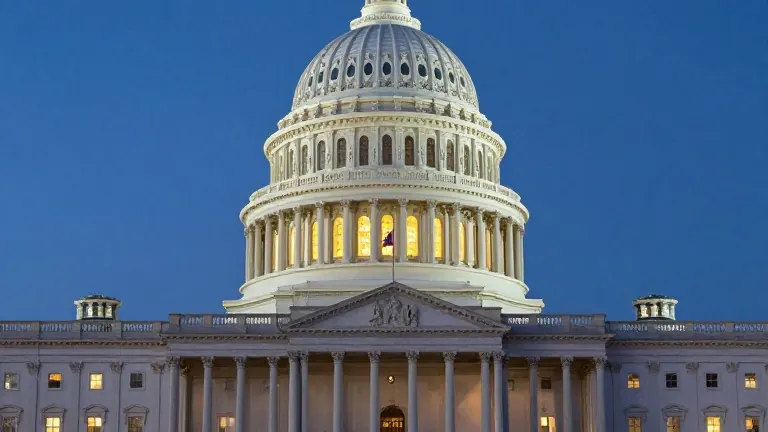
Democrats seize Congress as Trump signals combative stance on oversight
With healthy majorities in both chambers secured, Democratic leaders vow aggressive investigations into the executive branch while Trump's DOJ prepares to push back.
By Alessia Desai ·
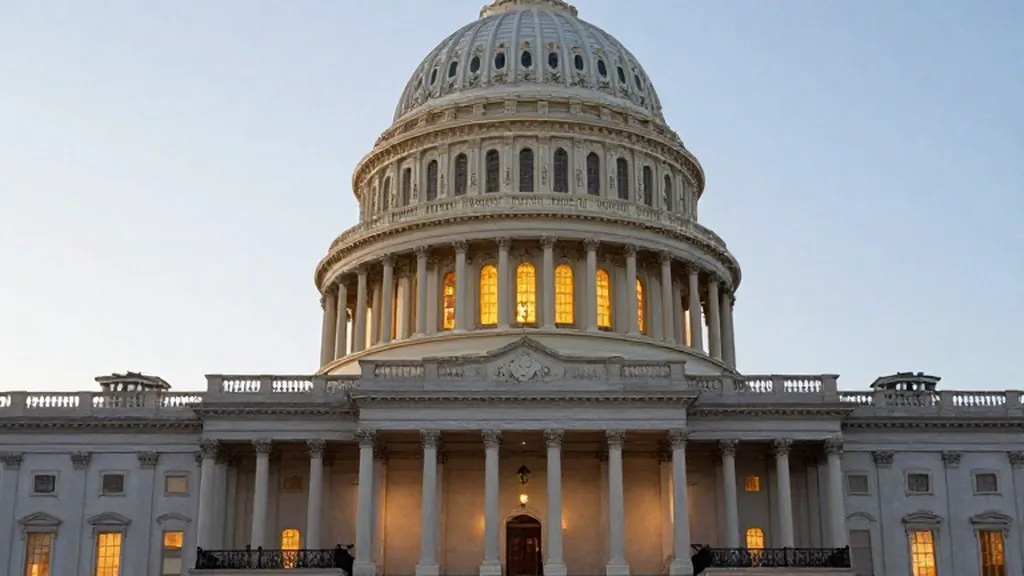
The 2026 midterm election results have delivered a clear mandate for the Democratic Party, which now controls both chambers of Congress. This shift in power marks a significant turning point in the relationship between the legislative and executive branches, setting the stage for a defined period of oversight and potential conflict. Democratic leaders are no longer in a defensive posture but are preparing to utilize their new majority to scrutinize the administration's actions closely. The election outcome reflects a national trend where voters prioritized checks and balances on the presidency, a theme that dominated the final weeks of the campaign.
President Donald Trump and his Department of Justice have already adopted a combative stance toward the incoming Democratic Congress. On social media, the President declared that investigative requests made by Democrats represent extortion at the highest level. He stated that those making such requests should be held accountable. This rhetoric sets a confrontational tone for the next two years of his term. The administration is signaling that it will not yield easily to congressional inquiries, particularly those targeting senior officials and agencies.
Attorney General Todd Blanche reinforced this defensive posture during appearances on Sunday news programs. He noted that criminal investigations of Democrats are a possibility, suggesting that the administration may use legal tools to protect its members. Blanche argued that Democrats are not allowed to threaten existing administration members or companies. He stated that President Trump is extremely worried about this dynamic and that he should be. These comments indicate that the Justice Department is preparing for a legal battle as much as a political one.
Rep. Robert Garcia, who is poised to chair the House Oversight Committee, has vowed that Democrats will not be intimidated by the executive branch's posture. He described the administration as the Trump crime family and stated that the days of not fighting back are over. Garcia is preparing a slate of investigations that will likely define the agenda for the next Congress. His leadership of the oversight committee places him at the center of the coming clash between the two branches. The committee has the power to issue subpoenas and compel testimony, tools that will be central to the Democratic strategy.
Democratic House leader Hakeem Jeffries, who is on the cusp of becoming the nation's first Black House speaker, has clarified that impeachment is an option for the incoming majority. He stated that if individuals have been shortchanging or stealing from the American people, they need to be held accountable in a manner consistent with Congress' constitutional role. Jeffries emphasized that the goal is to deliver real results for voters. He expressed willingness to work with the other side when possible but maintained that the priority is accountability.
However, there is internal debate within the Democratic ranks about how aggressive to be. Some members, including Sen.-elect Adam Hamilton of Kansas, the first Democrat elected to the Senate from that state in 94 years, expressed skepticism about making impeachment the central focus. Hamilton stated that his campaign was about bringing people together and that he does not want the next two years to be spent dividing the country further. He expressed more interest in setting up guardrails than in pursuing immediate impeachment proceedings. This view is shared by Sen. Bernie Sanders, who warned that Democrats cannot spend all their time investigating the President.
Sanders emphasized the need to stand up for working-class families and make a real difference in their lives. He acknowledged the importance of holding the administration accountable but stressed the urgency of passing legislation that addresses the cost of living. This tension between oversight and legislation is a key dynamic within the party. Many Democrats are worried that if conflict with President Trump defines the entire agenda, their healthy majorities may prove fleeting. They recognize that voters elected them to solve economic problems, not just to fight with the White House.
Jeffries also addressed the appointment of Stephen Miller as the new White House chief of staff, calling it an awful choice. He cast doubt on the prospect of working with Miller, whom he described as an architect of the administration's mass deportation machine. Jeffries stated that Democrats are committed to forcefully pushing back against the extremism that Miller may try to unleash. Nationally, about six in ten voters said the administration's actions on immigration enforcement had gone too far, according to a survey of more than 100,000 midterm voters. This public sentiment provides a mandate for the incoming Congress to scrutinize immigration policy closely.
The new Democratic majority also brings a wave of historic firsts that will shape the legislative body's character. Peggy Flanagan has become the first Native American woman elected to the U.S. Senate from Minnesota. In New Mexico, Deb Haaland has been elected the first female Native governor of a U.S. state. In the House, Claire Valdez of New York and Sean McCann of Michigan became the first Native Americans elected to represent their states in Congress. These leaders bring fresh perspectives and strong advocacy bases to the chamber. Their victories are part of a broader trend of milestone wins that energized the Democratic base during the election.
As the new Congress convenes this week, the focus will turn to the practical mechanics of oversight. Democrats are preparing to discuss a pending resolution from Rep. Thomas Massie to impeach Defense Secretary Pete Hegseth. Jeffries stated that he is a hard yes on the resolution, noting that Hegseth has got to go. The Defense Secretary dismissed the push as politics of personal destruction, saying it will not work with him. This early skirmish over Hegseth serves as a preview of the larger battles to come. The incoming majority intends to use its power to restore order and accountability to the federal government.