Data Center Firms Face $55 Billion Cost Under New Senate Energy Bill
The Senate voted 73 to 25 to advance legislation that shifts infrastructure costs to data center owners and speeds up permitting.
By Meera Fletcher ·
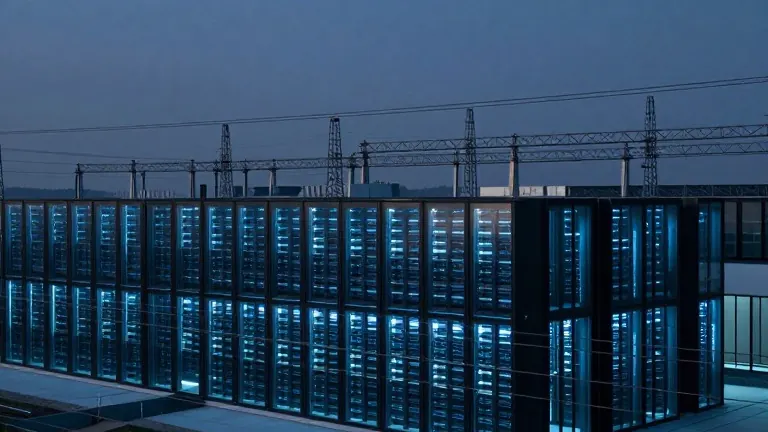
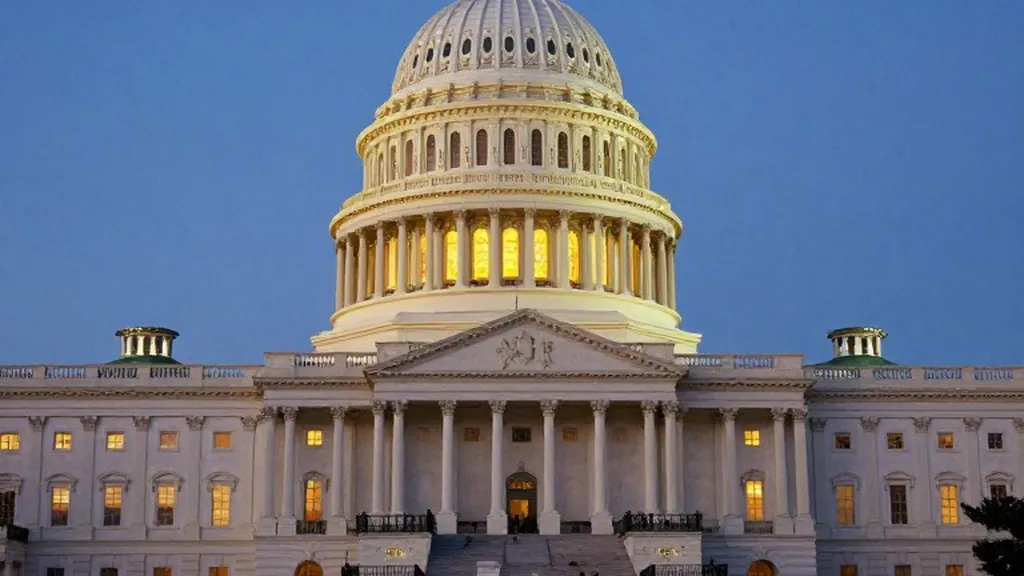
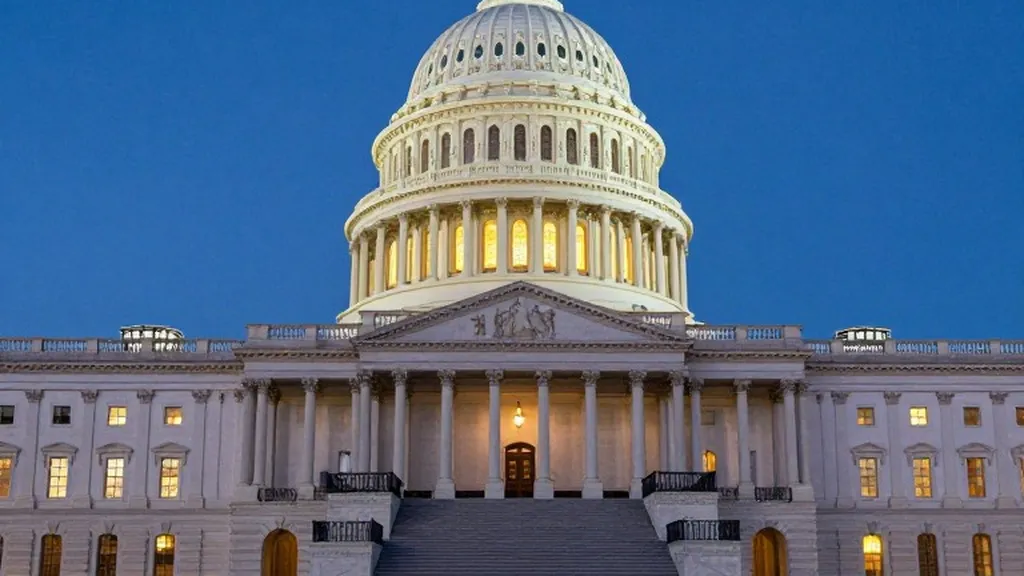
The United States Senate advanced the Bipartisan American Affordability and Jobs Act on Monday with a 73 to 25 vote. The measure aims to accelerate the construction of data centers and energy infrastructure. The legislation requires owners of energy-intensive data centers to pay for the infrastructure needed to power their facilities.
President Donald Trump described the bill as a victory for US energy independence. In a social media post, he urged lawmakers to support the measure to meet rising electricity demand. The vote included support from nearly all Republican senators and more than a dozen Democrats.
The bill seeks to shorten deadlines for environmental reviews and limit the timing of judicial challenges to major energy projects. It covers both clean and fossil fuel sources. Proponents estimate the measure will save households $19 billion in residential electricity costs by 2040. The legislation is also projected to double the number of solar and wind projects connecting to the electric grid.
Democratic Senator Martin Heinrich, the ranking member of the Senate Energy and Natural Resources Committee, stated that voters sent a clear message during the recent midterm elections. He said voters expect lower daily costs. Heinrich argued that lawmakers do not need to wait for the new Congress to begin addressing these economic pressures.
Environmental groups oppose the bill. They argue the legislation would lock in further fossil fuel development and weaken existing environmental protections. A coalition including the Climate Justice Alliance, the Indigenous Environmental Network, and the Western Environmental Law Center issued a joint statement in September. The group warned that permitting reforms could harm health and disproportionately affect communities of color and lower-income neighborhoods.
The recent midterm election results, which saw Democrats take control of Congress, may complicate the bill's final passage. Some Democratic lawmakers suggest delaying the legislation until the new majorities are sworn in early next year. House Minority Leader Hakeem Jeffries, who is expected to become the new speaker in January, has criticized the bill as falling short.
A spokesperson for Jeffries stated that the party must support the clean energy economy and combat the climate crisis with urgency. Jeffries's office added that he will not rubber-stamp Senate legislation without more constructive involvement from his caucus as they work to make life more affordable for American people.
More Politics · World news · Report a business · Got a Story?