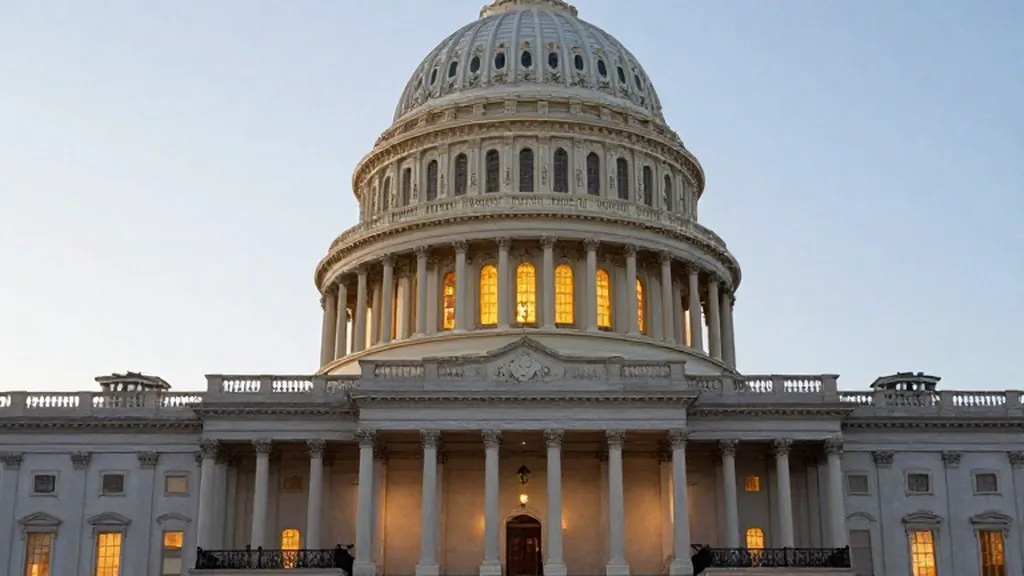
Democrats seize control of Congress after historic midterm sweep
With at least 250 House seats and 54 Senate seats, the party now holds the tools to investigate the administration and challenge its education and defense policies.
By Tomas Rahman ·
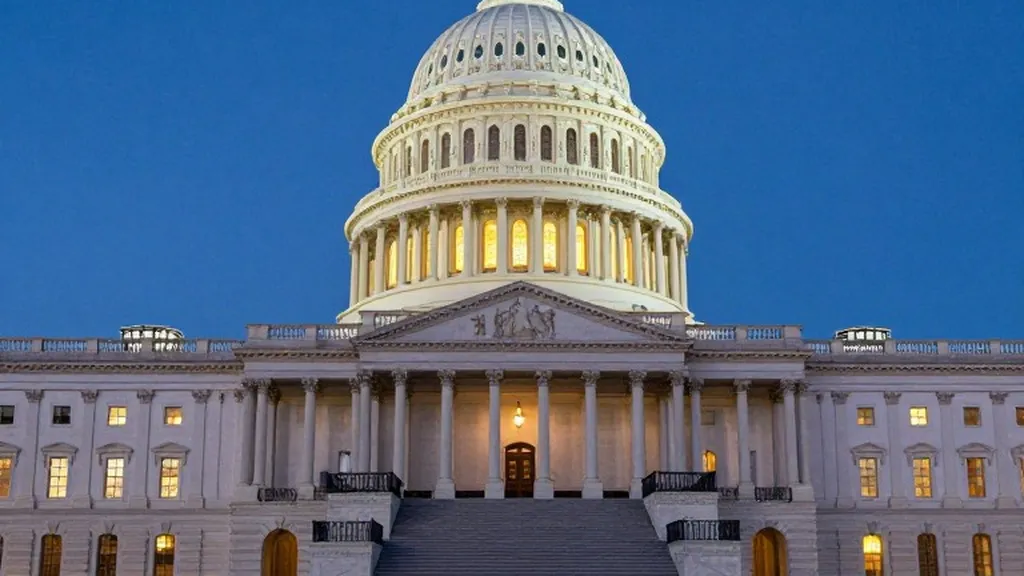
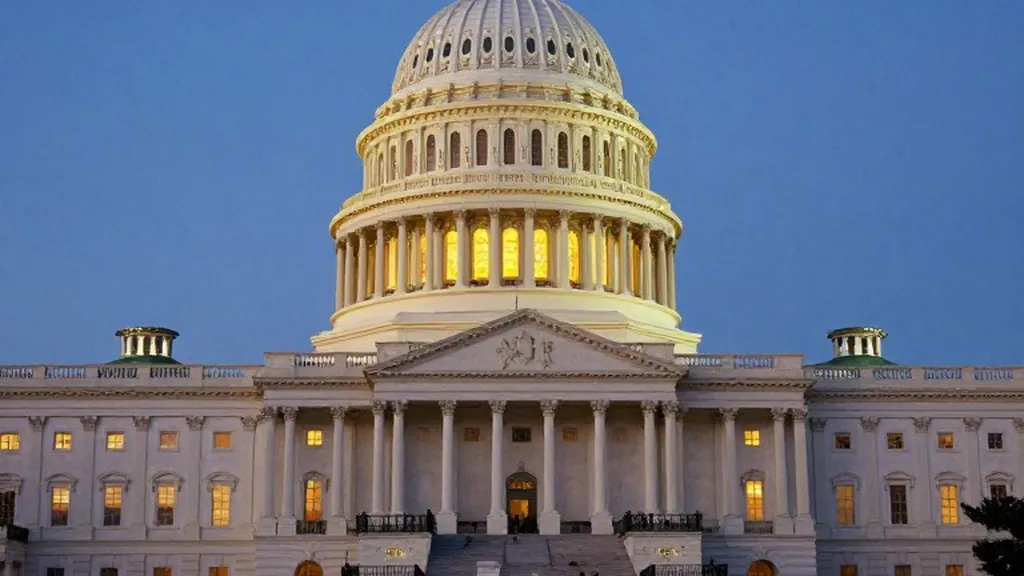
The midterm election cycle has concluded with a decisive shift in power that places Democrats in control of both chambers of the United States Congress. As of the final tallies reported on November 6, Democrats have secured a majority in the House of Representatives and the Senate, fundamentally altering the balance of power in Washington. This result ends a period of Republican dominance in the federal government and provides the Democratic Party with a unified platform to advance its legislative and oversight agenda.
In the House, Democrats picked up at least 43 seats, including 42 that were previously held by Republicans and one held by an independent. The new majority is projected to stand at least 250 to 157, giving the party a commanding lead in the lower chamber. This significant gain allows Democrats to control the legislative calendar and committee appointments, which are critical for initiating investigations and drafting legislation.
The Senate results were equally transformative, with Democrats capturing seven seats that were previously held by Republicans. The new Senate majority is projected at 54 to 44. Analysts note that the net loss of at least seven Senate seats by the Republicans places this election in the top 20 percent of all election years in terms of seat swings against the president's party. This threshold is commonly defined as a wave election, signaling a strong mandate for change from voters across the country.
The victory extends beyond the federal level, as Democrats won a majority of governorships for the first time since before the 2010 elections. They also secured a plurality of state government trifectas and state legislative chambers. In 44 of the 46 states where the status was determined, Democrats gained significant ground, positioning them to influence state policies on issues such as health care, education, and economic development that directly affect the cost of living for their constituents.
With the new majorities in place, Democratic leaders are already preparing to use their oversight powers to scrutinize the Trump administration. Rep. Bobby Scott of Virginia, who will lead the House Committee on Education and the Workforce, stated that he plans to leave no rock unturned in his role. The committee intends to explore the administration's dismantling of the U.S. Education Department, its oversight of federal student loans, and its anti-discrimination policies. Scott emphasized that the party will use its authority to issue subpoenas and hold hearings to ensure transparency.
Sen. Elizabeth Warren of Massachusetts called on her colleagues to hold the administration accountable for its educational policies, specifically the dismantling of the Department of Education. Warren argued that the new majority provides a clear opportunity to reverse what she described as harmful decisions. Democrats on the Senate Appropriations Committee are also preparing to use the budgeting process to rein in the administration's agenda. Sen. Chris Van Hollen of Maryland described the use of the power of the purse as a way to establish guard rails and prevent abusive practices in federal spending.
The new congressional leadership is also moving quickly on defense and foreign policy issues. Rep. Thomas Massie of Kentucky, a Republican, introduced an impeachment resolution for Defense Secretary Pete Hegseth just hours after the House opened its first session following the midterms. The resolution focuses on the war in Iran and other military actions in Yemen and Venezuela. House Democratic Leader Hakeem Jeffries expressed support for the measure, noting that if most Democrats follow his lead, only a few Republican votes would be needed to impeach Hegseth. This move signals a willingness among Democrats to challenge the administration's most prominent figures immediately.
President Donald Trump reacted to the loss of his party's congressional majority with criticism of the incoming Democratic leadership. In a briefing, he accused Democrats of failing American students with disastrous leadership before he returned to office. However, the administration's attempts to block Democratic initiatives may face greater resistance now that the party controls the legislative process. The White House has given no sign of backing away from its campaigns to close the Education Department and end diversity, equity, and inclusion policies, but Democrats are prepared to use their new power to push back.
The election results also highlight the importance of specific voter groups in shaping the outcome. In California, for example, Catholic voters played a significant role in electing Xavier Becerra as governor. The AP Voter Poll found that about 6 in 10 Catholic voters supported Becerra, while about 4 in 10 voted for his Republican opponent. This complex political pattern reflects the diverse nature of the Democratic base and the party's ability to appeal to various religious and ethnic communities. The party's success in states with large Catholic populations underscores its broad coalition.
As the new Congress prepares to convene in January, Democrats face the challenge of translating their electoral victory into lasting policy changes. They will need to navigate the complexities of the legislative process and manage the expectations of voters who supported them based on promises of lower costs of living and better health care access. The party's ability to work across the aisle and maintain unity will be crucial in the coming months. The results of this election provide a strong foundation for that work, but the path forward will require careful strategy and sustained effort.
The final counts confirm that the 2026 midterms have reshaped the American political landscape. With control of both chambers of Congress and a majority of governorships, Democrats are now in a position to influence the direction of the country. The party's leaders have outlined clear priorities for their first months in power, including investigations into the administration's actions and the use of federal funding to advance their policy goals. The coming year will test the party's ability to deliver on these promises and maintain the momentum generated by this historic election.