Farmers face potential fines without jury trial in visa dispute
Supreme Court justices question if labor conditions for H-2A workers fall under immigration power or employment law.
By Meera Fletcher ·
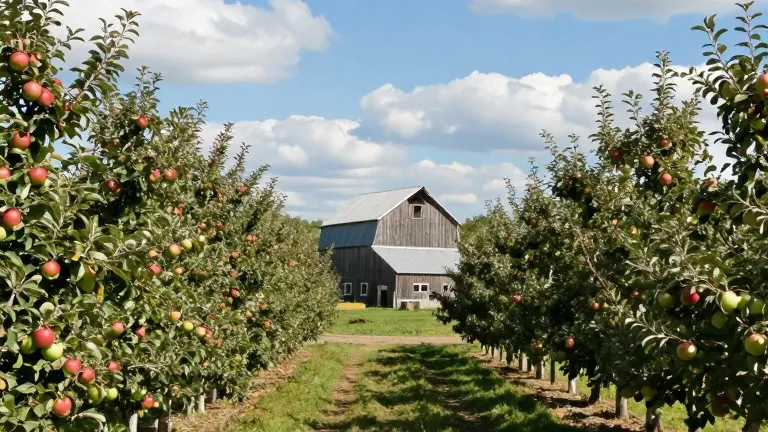
New Jersey farm operators may face federal fines for worker conditions without a jury trial, a question now before the U.S. Supreme Court. The case centers on Sun Valley Orchards, which was fined by the Trump administration over alleged poor working conditions for visa holders. The government argues that because the workers participate in an immigration work program, the Labor Department has the authority to regulate them and impose penalties without a formal court proceeding.
The justices are not deciding whether the orchard’s conditions were unsafe. Instead, they are weighing whether the executive branch can use immigration powers to punish employers. Sarah Harris, the U.S. principal deputy solicitor general, told the court that immigration authority extends beyond entry. She argued that the government’s right to admit or exclude aliens necessarily includes the power to remove them or make them ineligible to stay based on government-prescribed conditions.
Several justices expressed skepticism about stretching immigration law to cover employment issues. Justice Neil Gorsuch noted that once a worker enters the country, the requirements feel more like employment conditions than entry rules. He suggested the broad array of conditions looks like a standard job requirement rather than an immigration hurdle. This view contrasts with the administration's stance that the visa program is inherently part of immigration policy.
Justice Amy Coney Barrett raised concerns about imposing fines on U.S. companies without a trial. She agreed that the government could remove workers or kick a farm out of the H-2A program without an Article 3 court. However, she questioned whether monetary fines are different from removal orders. She wondered if the penalties required a different legal process to ensure due process for the employer.
Justice Elena Kagan highlighted the original intent of the visa policy. She described the scheme as a method for setting minimum standards to protect domestic workers from being undercut by foreign labor. She emphasized that the program has nothing to do with contract rights between private parties. The court has previously allowed the executive branch to operate outside the court system on matters of public interest, which the government cited in support of its position.
The decision will determine if farms and other employers in the H-2A program can be fined administratively for labor violations. The Supreme Court is expected to issue its ruling by the end of June 2027. The outcome will establish the limits of executive power over foreign workers employed in U.S. agriculture.