Latino voters shift to Democrats
New survey shows cost of living and immigration enforcement drove Florida’s Hispanic electorate to back Democratic candidates in tight races.
By Tomas Rahman ·
Florida’s Latino voters moved sharply toward Democratic candidates in the 2026 midterm elections, driven by high living costs and aggressive immigration enforcement. A new poll by UnidosUS found that 57% of these voters backed Democrats for the U.S. House of Representatives. That figure represents an eight-point gain over the 49% share given to Democrat Kamala Harris in the 2024 presidential race. In 2024, exit polls showed Republican Donald Trump winning 56% of the Hispanic vote.
The shift was evident in close statewide contests. In the U.S. Senate race, Latino voters favored Democrat Angie Nixon over Republican Ashley Moody by a margin of 53% to 43%. Moody won the election by 51% to 48%, a difference of just over 237,000 votes. In the governor’s race, Democrat David Jolly received 53% of the Latino vote, while Republican Byron Donalds won 41%. Donalds claimed victory with a 50% to 49% margin, or approximately 106,000 votes.
More than 8.3 million Floridians cast ballots in this year’s midterms. The results contrast with the 2022 elections, when Republican Gov. Ron DeSantis won reelection by more than 19 points. Then-Attorney General Ashley Moody also won by more than 20 percentage points in that cycle.
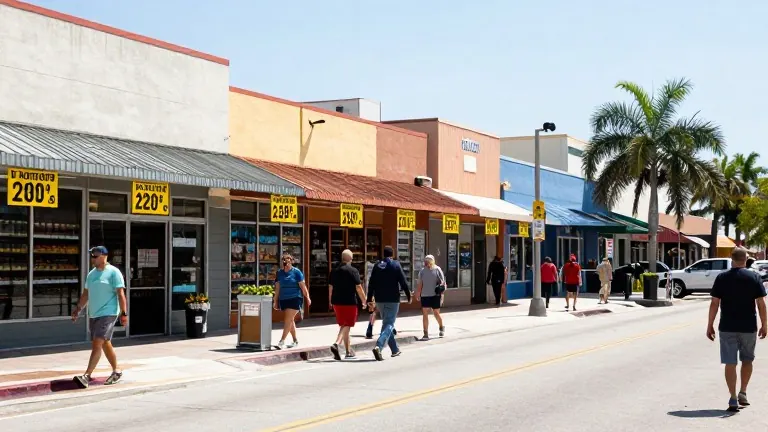
Economic pressure was the top concern for voters. The survey, conducted by BSP Research in collaboration with UnidosUS, found that 59% of respondents ranked the cost of living and inflation as their primary issue. Jobs and the economy followed at 35%, while affordable housing and rent, and health care costs, each drew 33% of the top concern ranking.
Financial strain is widespread among the state’s Latino community. Fifty-two percent of these voters reported having no money left over at the end of the month or facing major difficulties making ends meet. Groceries were the largest specific burden, cited by 49% of respondents. Housing costs came next at 46%, followed by gasoline at 39% and health care or prescription drugs at 34%.
Within housing expenses, high utility costs and property taxes topped the list, mentioned by 41% of voters. Rising rents were a concern for 31%, and insurance rates for 28%. Jared Nordlund, Florida State Director for UnidosUS, said the voters expect results rather than slogans. "They want lower costs, affordable childcare and health care they can count on," Nordlund said.
Immigration enforcement also shaped voter opinion. Eighty-one percent of respondents said actions by U.S. Immigration and Customs Enforcement have gone over the line. This includes 78% of Cuban American voters, who represent the largest group of Latino voters in the state. Seventy-eight percent support requiring ICE agents to wear identifiable uniforms and body cameras.
Most voters favor a balanced immigration approach. Ninety-two percent support a policy that includes an earned path to citizenship and border security. The survey also found that 34% of Florida voters cast their first general election ballot in 2022 or later. Among voters under age 40, that figure rose to 52%.
Nordlund described this group as a young, growing electorate that is not loyal to any party. He said these voters will hold leaders in Tallahassee and Washington accountable for delivering on promises. The survey included findings on specific policy support, with 88% backing universal childcare or early childhood education programs. Eighty-four percent supported a path to permanent legal status for long-residing undocumented immigrants who pass a background check and pay a fine.
Additional issues showed strong support for regulation and funding restoration. Eighty-three percent supported regulating artificial intelligence to keep humans in control of military weapons, banks, and personal information. Eighty-two percent supported restoring full federal funding for food and nutrition programs cut in 2025. Seventy-nine percent favored restoring Affordable Care Act tax credits that help families buy health insurance.