Lithium-ion battery fires rise as disposal methods lag behind production
Safety experts warn that the energy-dense chemistry of these common power sources creates a growing risk of thermal runaway and explosion in consumer devices.
By Meera Fletcher ·
Lithium-ion batteries power a wide array of everyday electronic devices, yet their specific chemical composition creates a persistent safety hazard that is difficult to manage during disposal. Recent reporting from InvestigateTV+ examines why these power sources are becoming a leading cause of household fires and what tools advocates believe are missing from the current disposal infrastructure.
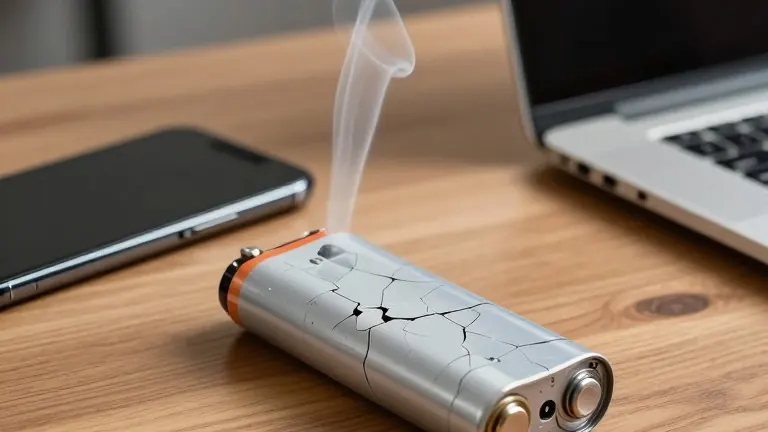
The risk stems from the high energy density of the batteries, which allows them to store large amounts of power in a small space. As the cost of manufacturing these cells has dropped, they have become the dominant standard for rechargeable energy storage. Experts note that under certain conditions, the internal chemistry can destabilize, causing the battery to ignite or explode within seconds.
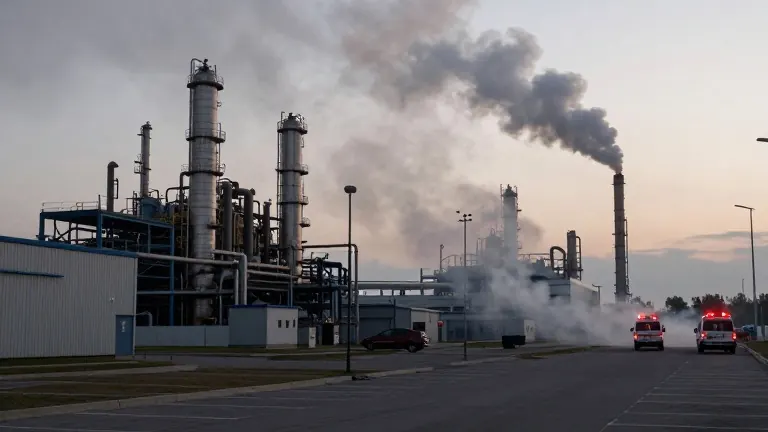
The shift to lithium-ion technology has accelerated alongside a rise in reported fires linked to these components. The InvestigateTV+ segment, titled Hidden Heat, details how a device sitting on a desk or in a drawer can transform into a fire ball with temperatures comparable to a volcanic eruption. The report focuses on the gap between the rapid adoption of the technology and the slow development of safe recycling and disposal protocols.
Safety advocates argue that current tools are insufficient to prevent these incidents at the consumer level. The investigation looks at the specific mechanisms that lead to thermal runaway and identifies the gaps in how households and municipalities handle damaged or end-of-life batteries.
The report on battery safety airs as part of a new episode of InvestigateTV+ on November 4, 2026. The same broadcast features an FBI warning about online extremist networks targeting children in gaming and social media spaces. Special agent Heith Janke describes these groups as motivated by nihilistic violent extremism, stating that they seek to sow chaos and destroy society. The segment outlines how these predators coerce victims into violent acts and provides warning signs for parents.
Additional segments in the episode explore float therapy, a practice involving immersion in a tub of skin-temperature water with nearly a,000 pounds of dissolved magnesium. The solution is dense enough to prevent the body from sinking, and studies cited in the report suggest the therapy can improve sleep and reduce pain. The episode also profiles Atsuo Sakurai and his wife, Heather, who operate Arizona Sake in Holbrook, Arizona. The couple brews award-winning sake in a 200-gallon vat, blending Japanese fermentation techniques with a Native American cultural context along Route 66.
The broadcast concludes with these three distinct stories, ranging from consumer safety threats to cultural preservation, all presented through the InvestigateTV+ format on the Gray Media Group network.
Source: WXIX-TV