Three ships sunk in Gulf attacks, UKMTO reports
UK maritime watchdog counts 11 strikes in a week, with Hormuz traffic still 65 percent below pre-war levels.
By Tomas Rahman ·
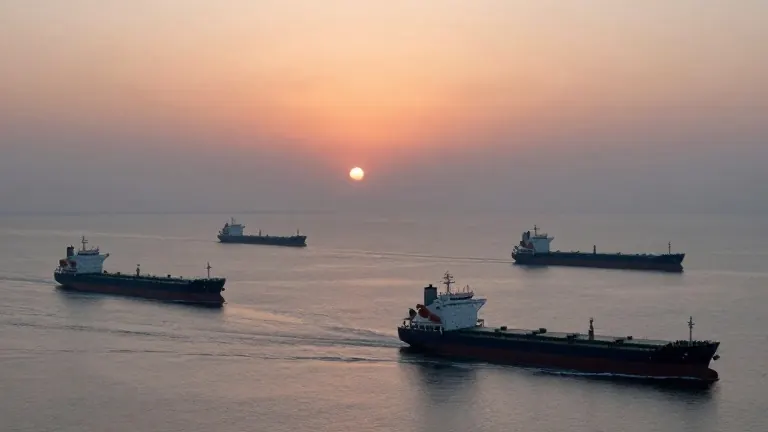
Commercial shipping routes in the Middle East remain under pressure as regional conflict persists. The United Kingdom Maritime Trade Operations, or UKMTO, identified 11 attacks on merchant vessels in the Strait of Hormuz and the Arabian Gulf between October 29 and November 4, 2026.
Of the 11 incidents, three vessels sank, five required assistance, and three continued their voyages. UKMTO attributed eight attacks to the Strait of Hormuz and three to the Arabian Gulf. One crew member died and 13 were rescued after a dhow was struck by an unidentified projectile on November 2. A Panama-flagged supply vessel sank in the Strait on November 1 after a similar strike. On November 4, a Marshall Islands-flagged tanker was hit by two projectiles in the Arabian Gulf and left drifting.
Traffic through the Strait of Hormuz totaled 325 transits during the reporting period. This figure includes 170 outbound and 155 inbound movements. The number is up from 277 transits in the previous week. Despite this weekly increase, UKMTO stated that traffic remains approximately 65 percent below pre-conflict levels. About 80 percent of these transits involved energy carriers.
Automatic Identification System data showed 71 observed transits, up from 64 the prior week. Most ships using AIS continued to take the Iranian route, though UKMTO noted a rise in vessels using the southern route. In the Red Sea and Bab el-Mandeb, no attacks were reported during the week. The last recorded attack in that region occurred on August 24. Transit levels in Bab el-Mandeb remain 24 percent below levels seen before the Houthi blockade announcement on July 22.
The data highlights the ongoing disruption to global energy flows and commercial logistics. The 65 percent drop in Hormuz traffic indicates a cautious approach by operators. The three sinkings in a single week represent a tangible loss of assets. Local authorities provided rescue and assistance services in multiple incidents. The stable number of US-reported facilitated transits suggests a consistent flow for major operators despite the risks.