Washington 3rd District: Gluesenkamp Perez and Braun clash over costs and public lands
In one of the nation's closest House races, candidates in Southwest Washington disagree on the root causes of inflation while both court working-class voters in a swing district.
By Alessia Desai ·
Southwest Washington’s 3rd Congressional District has long defied simple political labels, balancing urban centers like Vancouver with rural logging counties. That tension defines the 2026 election, where Democratic incumbent Marie Gluesenkamp Perez faces Republican state Sen. John Braun in a statistically tied contest. Both candidates seek to win over independent voters who have sent the district to Donald Trump in recent presidential elections while keeping a Democrat in Congress.
The race centers on affordability, though the candidates assign different blame for rising living costs. Gluesenkamp Perez points to the war in Iran as the primary driver of high fuel prices, arguing that the conflict has disrupted local industries from logging to farming. She has voted against the war six times. Braun, a Navy veteran and fiscal conservative, blames domestic policy. He credited the Republican “One Big Beautiful Bill” with lowering taxes and supports an “all-of-the-above” energy strategy to stabilize prices.
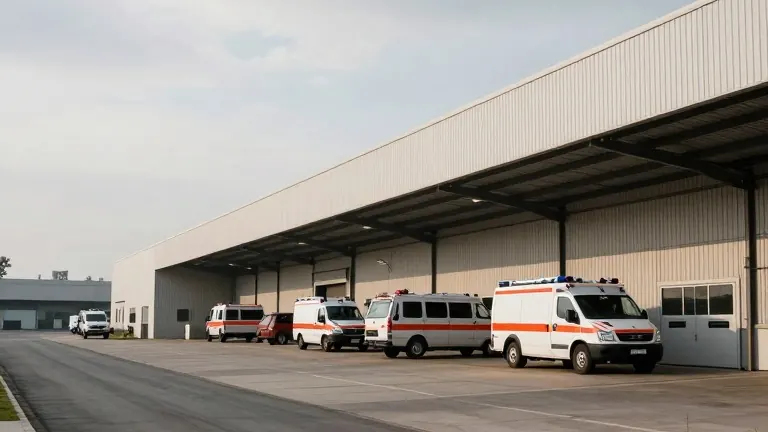
Braun runs Braun Northwest, a family business in Chehalis that manufactures emergency vehicles. He has served as its president since 2006. The company employs about 335 people and builds ambulances and rescue trucks for municipalities across the American West. Braun stated that Trump administration tariffs on materials like aluminum added $2.5 million to his business costs this year. He said these expenses are passed on to customers, including small cities and fire departments. Although he supports bringing manufacturing back to the U.S., he called tariffs the wrong tool for the job.
Gluesenkamp Perez, who owns an auto repair and machine shop with her husband, frames the cost of living crisis through the “right to repair.” She argues that planned obsolescence forces middle-class households to replace functional items rather than fix them. She described the issue as a matter of personal property rights and antitrust. Her campaign highlights the financial strain on families trying to keep older vehicles running so they can afford housing and maintain single-income households.
Despite their differences on macroeconomics, the candidates align on several local priorities. Both support increased logging on federal lands to aid the timber industry, reduce wildfire risks, and provide public access. Braun explicitly supports lifting the Clinton-era roadless rule, which protects roughly 2 million acres in Washington. Gluesenkamp Perez said she is still evaluating the move but wants local mills to have more work. She expressed skepticism that changes would benefit regular people rather than special interests without proper congressional oversight.
The district’s purple status has driven heavy spending, with more than $20 million raised so far. Michael Blumm, a law professor at Lewis and Clark Law School, noted that Braun is a more moderate figure than the district’s previous Republican challenger, Joe Kent. Blumm said this makes Braun a more formidable opponent. Recent weeks have seen intensified attack ads, including disputes over the workplace safety record at Braun’s company. More than half of the campaign money comes from outside groups, reflecting the high stakes for Democrats seeking to regain control of the House.
Source: KNKX Public Radio