Courts Block Noncitizen Vote Plan as California Ballot Order Takes Effect
Legal challenges in Alaska and California, along with USPS mail ballot measures, shape the administrative backdrop for Tuesday's midterm vote.
By Alessia Desai ·
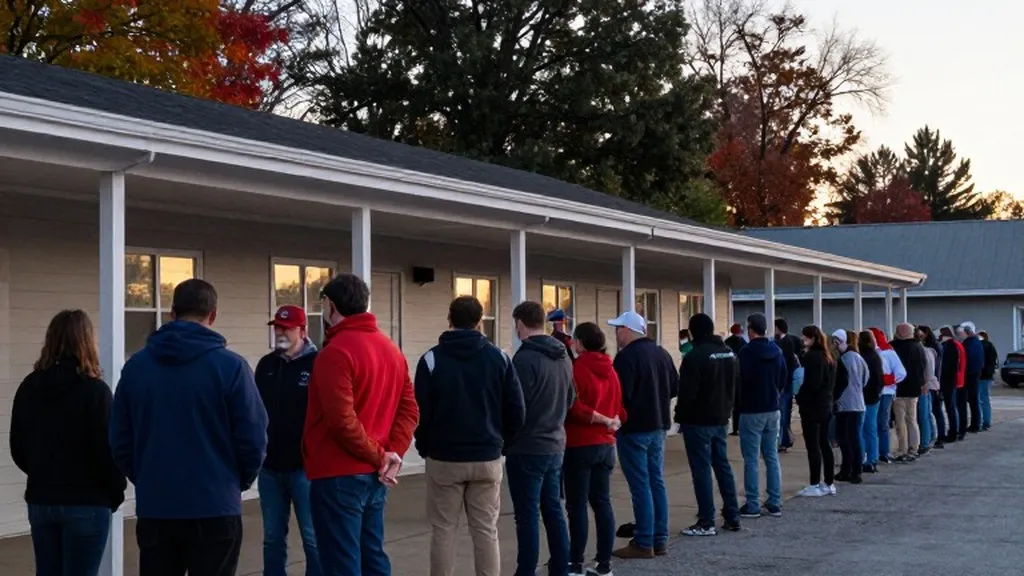
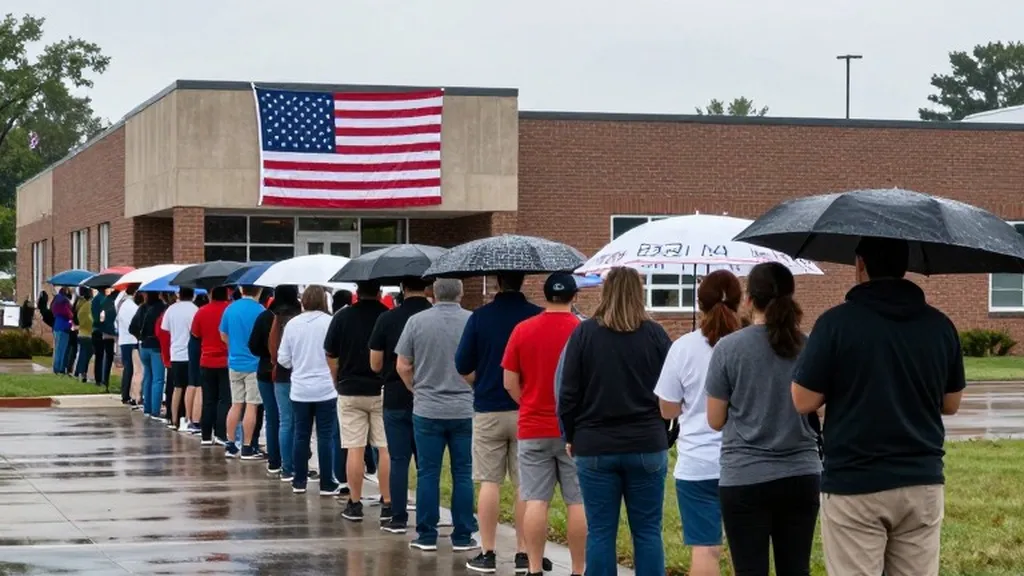
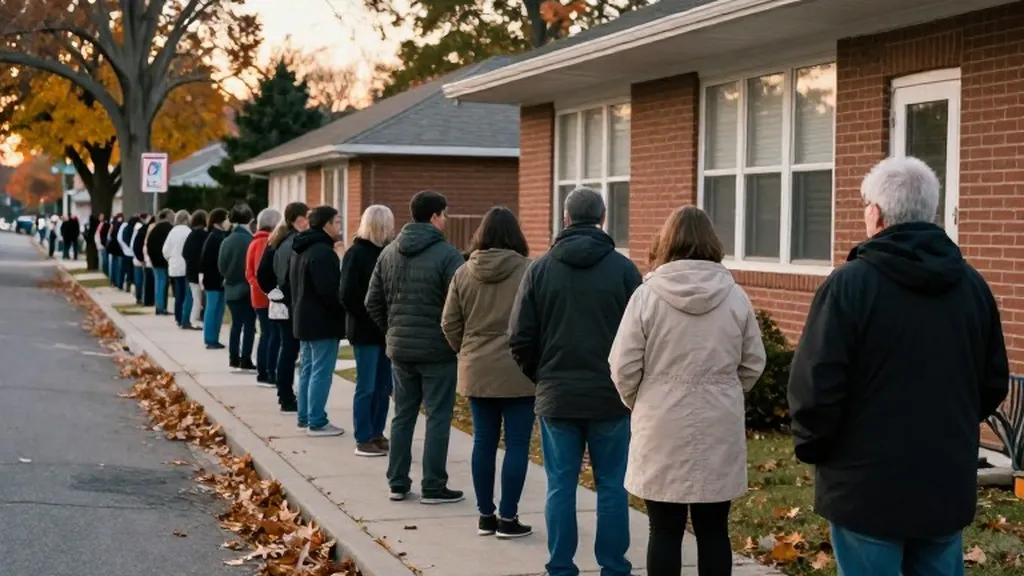
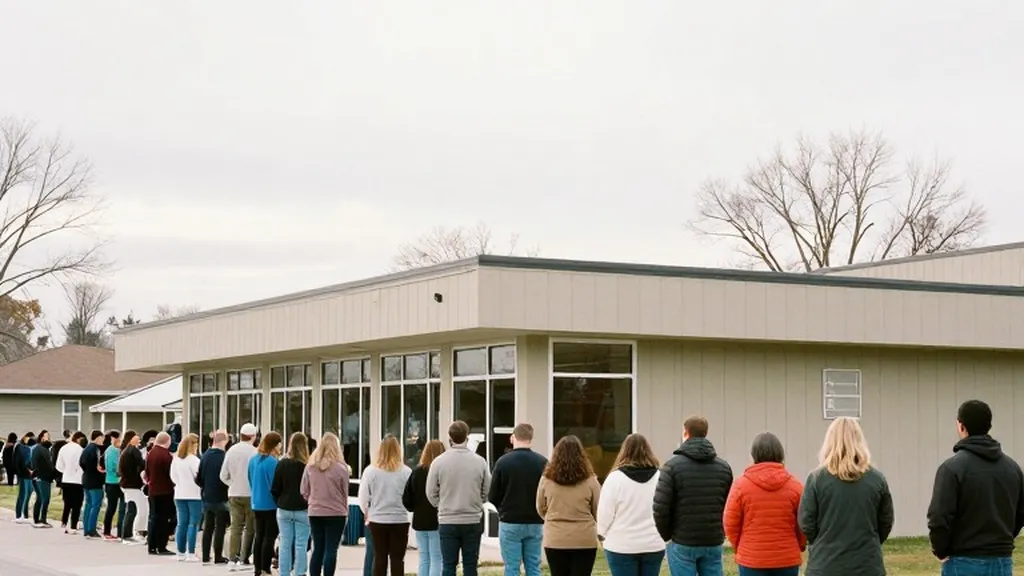
Voters across the nation are casting ballots on Tuesday, November 3, 2026, in a midterm election that determines control of Congress during the final two years of President Donald Trump's second term. The election is being framed by many Democratic leaders and voters as a referendum on the administration's handling of the cost of living and the ongoing war with Iran. According to the Associated Press, approximately 35 percent of U.S. adults approve of Trump's job performance, while about seven in ten say the country is heading in the wrong direction. This sentiment is driving a high level of engagement, with more than 57 million people having already voted as of Monday, surpassing early vote totals from four years ago in many closely watched states.
The legal and administrative framework for this election has been marked by significant conflict between the Trump administration and state election officials. On Monday, a federal judge temporarily barred the administration from executing a plan designed to prevent noncitizen voting. Critics of the plan, including Democratic election officials, argued that it risks disenfranchising eligible voters and infringes on the authority states hold over their own elections. This ruling adds to a broader pattern of legal battles that have characterized the pre-election period, with Democrats expressing concern over potential interference and intimidation from the Justice Department, which has threatened to prosecute local election officials.
In California, a separate judicial order issued on Monday required the administration to stop demanding that state election officials segregate ballots cast by individuals on lists of suspected noncitizens. This decision is significant because California uses a largely mail-based voting system, and the administration's push to isolate these ballots had raised alarms among Democratic strategists who view the state as a critical battleground. The order ensures that these ballots are counted in the standard manner until further notice, alleviating fears that millions of mail-in ballots could face delayed or contested processing due to the noncitizen list scrutiny.
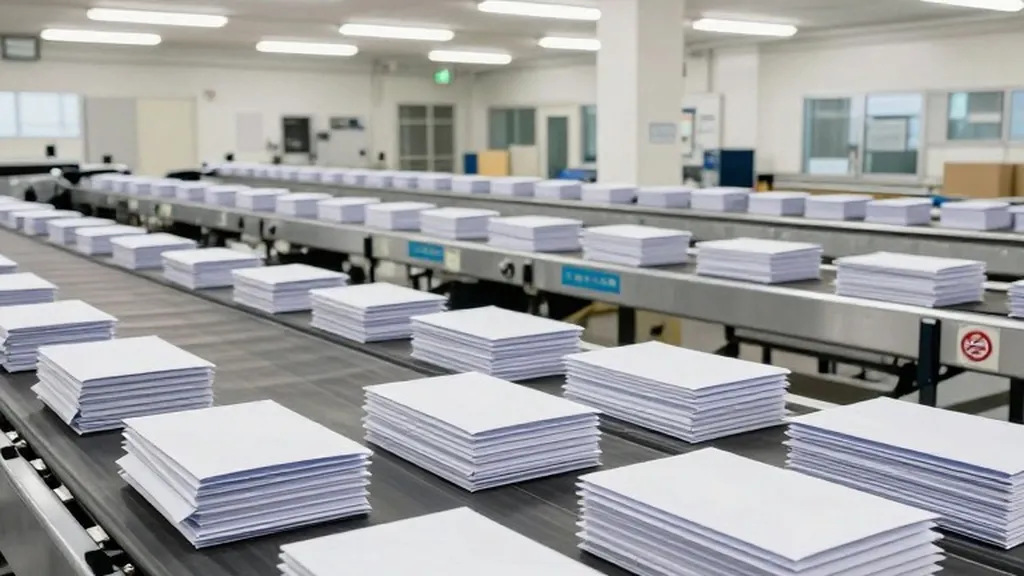
Simultaneously, the U.S. Postal Service has implemented specific measures to ensure that mail ballots are counted on time. The agency added extra hours, staff, and special lines to process the surge in mail-in voting. These logistical steps are crucial for states that rely heavily on mail voting, such as California, Colorado, and Washington. The Postal Service's intervention aims to prevent the delays that have sometimes complicated the certification of results in previous midterms, providing a more stable infrastructure for the counting process on Election Day and in the days that follow.
The stakes for Democrats are high as they seek to regain control of at least one chamber of Congress. To win the House, Democrats need a net gain of three districts from the current 214 seats they hold. In the Senate, where 35 seats are up for election, Democrats need a net gain of four seats to secure a majority. Republicans currently hold 53 Senate seats and are fighting to lose no more than two. The Associated Press notes that one or two seats could tip either chamber, making the race for control a tight contest. If Democrats win even one chamber, investigations and possible impeachment proceedings become likely, a prospect that has energized their base.
House Democratic Leader Hakeem Jeffries has outlined a 100-day agenda focused on the cost of living and oversight of the administration if his party takes the majority. He would be the first Black speaker of the House, a historic milestone that underscores the political shifts at play. The Democratic Party is also looking to the 2028 cycle, where a strong performance by figures like Gavin Newsom, JB Pritzker, and Pete Buttigieg could bolster their future prospects. Conversely, a strong Democratic night could complicate the path for Vice President JD Vance, who is seen as a potential future candidate.
Republican committees have outraised and outspent Democratic committees, aided by Trump-affiliated groups and Elon Musk, but at the candidate level, Democrats have outraised their opponents. This financial dynamic is reflected in the advertising strategy, with 88.1 percent of Republican general election TV ad spending going to states and districts Trump won in 2024. The Associated Press analysis of AdImpact data shows that more than $850 million was spent in areas where Trump won by 10 points or more. Despite this spending edge, Republicans are bracing for a potential loss in the House, while Democrats remain cautiously optimistic about their chances in key Senate races.
The administration has continued to make claims about voting fraud, including assertions that noncitizens vote in large numbers. These claims have fueled the lawsuits in Alaska and California, where the Justice Department is actively involved in the certification process. In Alaska, the Trump administration filed a lawsuit related to the certification of the Senate result, adding another layer of legal complexity to an already competitive race. The state is considered a toss-up or lean Democratic by several race ratings, making the outcome of the legal challenges potentially decisive for Senate control.
Voters are heading to the polls with a clear sense of the issues at stake. James Moore, 57, a librarian in Raleigh, North Carolina, told the Associated Press that he is paying more for taxes, healthcare, and everything else. This sentiment is shared by many Democrats who see the election as a chance to impose oversight on the administration's spending and policy decisions. The election also has implications for markets, with Reuters noting that results could add to investor concerns about AI spending and debt ceiling negotiations. Wall Street is watching closely as the outcome will influence the legislative agenda for the next two years.