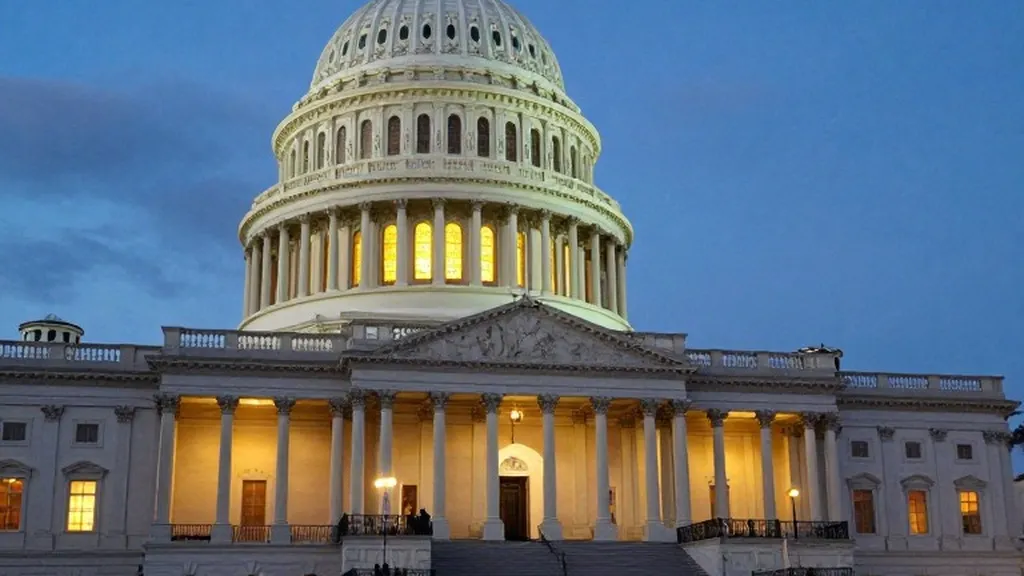
Democrats Take Control of Both Chambers as Midterm Wave Reshapes Congress
Democrats have secured majorities in the House and Senate, marking a historic shift in power that challenges the administration's agenda.
By Alessia Desai ·
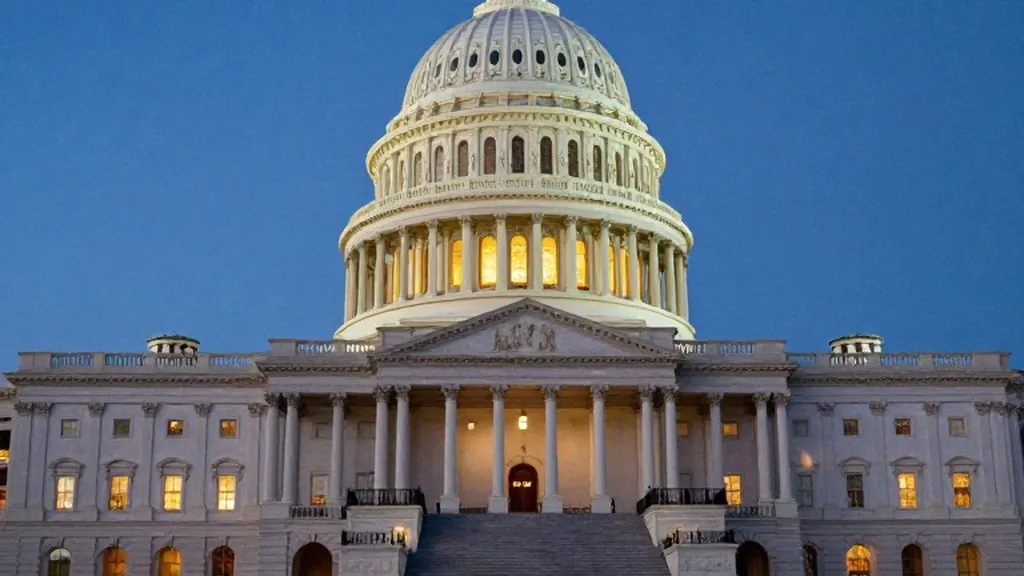
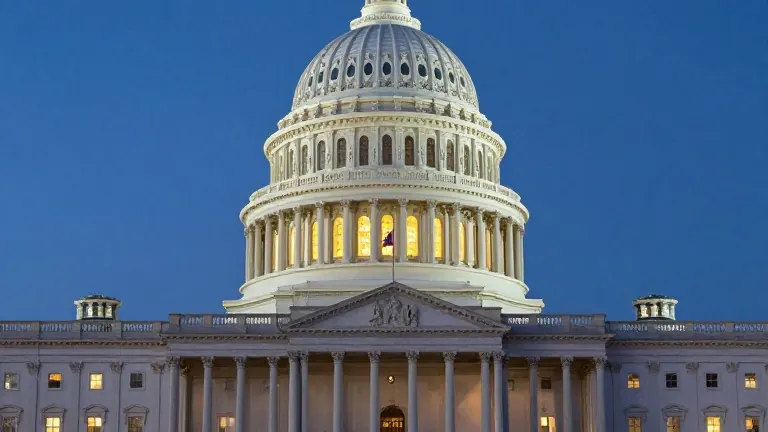
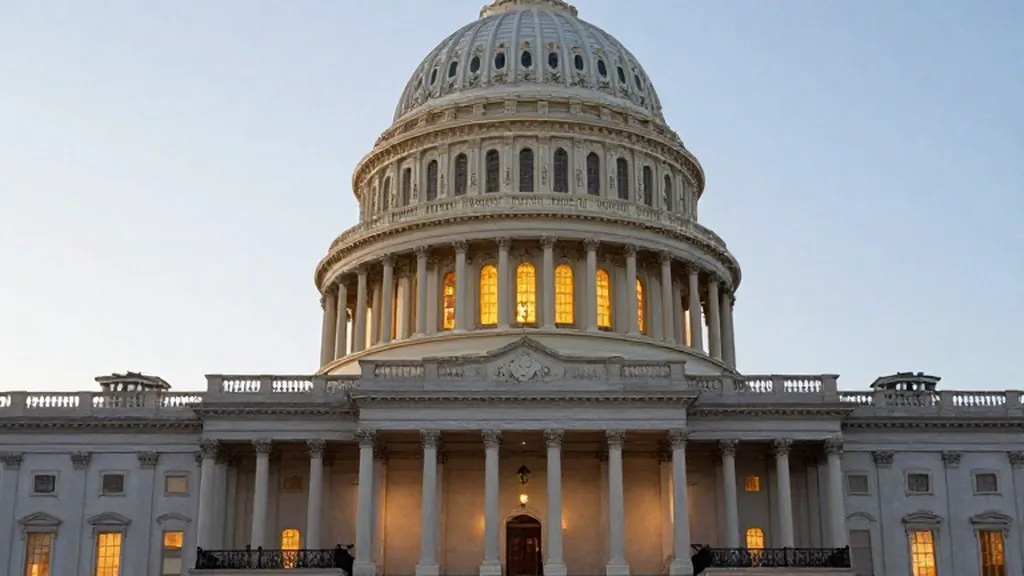
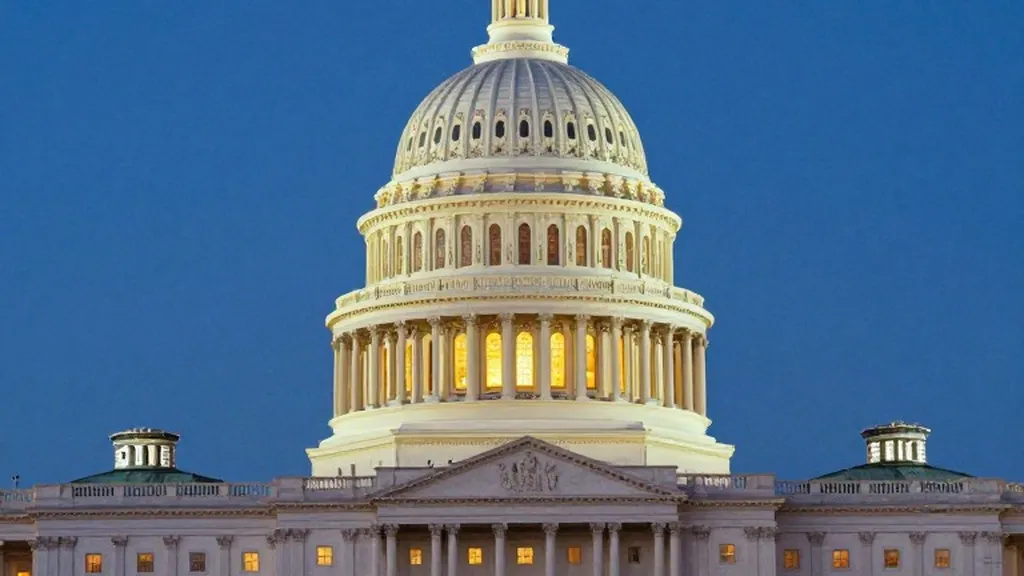
Voters delivered a decisive mandate on Tuesday, November 3, 2026, as Democratic candidates won majorities in both the U.S. House and the U.S. Senate. According to results compiled by Ballotpedia as of 4:00 PM ET on November 6, Democrats have picked up at least 43 House seats and seven Senate seats. All seven Senate seats previously held by Republicans have changed hands, while 42 of the 43 House seats were previously held by Republicans. This outcome places Democrats in command of the federal government for the first time in four years, creating a new dynamic for the administration's remaining term.
The scale of this victory is significant in historical context. The net loss of at least seven U.S. Senate seats places this election in the top 20 percent of election years in terms of seat swings against a sitting president's party. This threshold is widely recognized as a wave election. While the House has not yet reached the specific numerical benchmark for a wave, the loss of 42 seats by Republicans is a substantial shift. Uncalled races may still alter these totals, but the current trajectory indicates a powerful rebuke to the Republican establishment.
In the U.S. House of Representatives, Democrats will hold at least a 250-157 majority. This supermajority position is particularly notable because it provides the party with the power to override presidential vetoes without relying on any Republican votes. For Democratic leaders who have cited oversight of the administration and the cost of living as primary campaign issues, this numerical advantage offers a clear path to implementing legislative changes. The loss of control for Republicans in the House means that the administration will face a unified front from the opposition chamber for the first time since the 2022 elections.
In the U.S. Senate, the new composition will see Democrats holding a 54-44 majority. This 10-seat margin is crucial for the legislative process. While it is not a filibuster-proof supermajority, it is a significant improvement over the razor-thin margins seen in recent years. Democratic senators can now work more effectively to advance their priorities, including health care reform and oversight investigations. The shift in control allows for a more coordinated approach to legislation, as the party does not need to rely on a small number of swing votes to pass key measures.
The election results also reflect a broader shift in state-level politics. Democrats have won a plurality of state government trifectas and a majority of governorships for the first time since before the 2010 elections. As of the latest reporting, Democrats have secured 20 Democratic trifectas, while Republicans hold 16. This expansion of power at the state level gives Democrats more leverage in redistricting and state budget negotiations. The control of governorships and legislative chambers allows the party to shape policies that directly affect voters, such as education funding and infrastructure projects.
President Donald Trump has already begun responding to the electoral outcome. On Saturday, he announced that he is replacing his longtime adviser Susie Wiles with aide Stephen Miller to serve as the next chief of staff. Miller is known as the architect of the administration's hard-line immigration policies. This personnel change signals a potential shift in the administration's strategic approach. Trump also offered the job of White House press secretary to UFC boss Dana White, a move that underscores the administration's willingness to experiment with unconventional staffing choices in the face of political pressure.
The transition in leadership at the top of the administration comes as the White House grapples with the implications of losing both chambers of Congress. The historic wins by Democratic candidates, including in areas that Republicans had held for decades, have led to a period of major transition. The new Democratic majority in Congress will likely prioritize investigations into the administration's actions, including the controversial renovation of the East Potomac Golf Course. Federal Judge Ana Reyes has already appointed a former U.S. attorney to investigate whether the government misled the court in that case, a move that aligns with the new congressional oversight agenda.
For Democratic voters, the results offer a sense of validation for their concerns about the cost of living and health care. The party's ability to pass legislation without significant Republican resistance will be a key test of their electoral promise. The new majority in the House provides a mechanism to override vetoes, which could be critical in advancing popular policies. In the Senate, the 54-seat majority allows for a more stable legislative environment, reducing the uncertainty that has plagued recent sessions. This shift in power dynamics is likely to influence policy discussions well into the next year.
The Republican Party faces a significant challenge in maintaining its base while adapting to its new role as the minority party. The loss of 42 House seats and seven Senate seats is a substantial setback that will require a strategic reassessment. Republicans will likely focus on preserving their remaining advantages in state legislatures and governorships. However, the overall trend indicates a growing preference for Democratic leadership among voters. This shift will shape the political landscape for the remainder of the president's term and set the stage for the next presidential cycle.
The election results mark a turning point in American politics. The Democratic Party's control of both chambers of Congress provides a clear mandate to address the issues that motivated voters. As the new Congress convenes, the focus will be on translating this electoral victory into tangible policy changes. The administration, led by President Trump and the new chief of staff Stephen Miller, will need to navigate this new political reality. The coming months will be a test of the new power dynamics and the ability of both parties to work together or leverage their positions to achieve their goals.