Fans lose trust in music as AI and manufactured stars surge
A surge in digital fabrication and identity fraud has forced listeners to question the reality of their favorite artists.
By Tomas Rahman ·
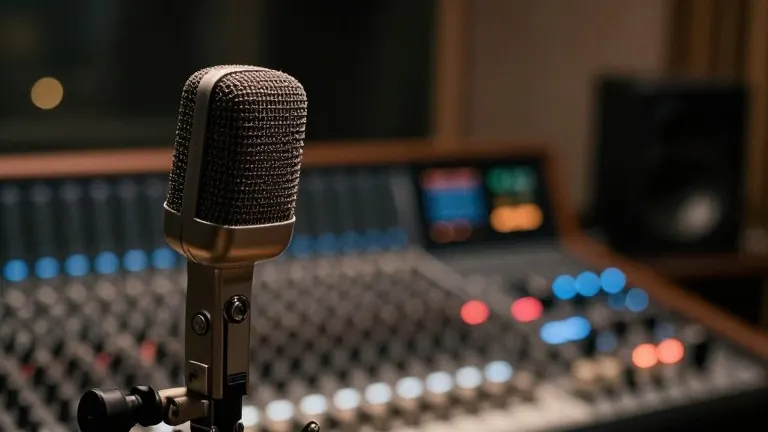
The New Orleans rock band Twisted Teens is asking the central question of the modern music industry. Their frontman, Caspian Hollywell, sings the lyrics "Is it real?" in a track that captures the current anxiety of the genre. The question reflects a widespread loss of confidence among listeners who struggle to distinguish genuine talent from digital fabrication.
The music industry is facing a crisis of trust in 2026. Mainstream pop is filled with stories of chicanery and artificial construction. Fans report feeling unable to trust the sounds they hear or the images they see. New scams surface weekly, including viral successes that appear rigged and stars who benefit from plagiarism or nepotism.
These issues extend beyond individual artists. The list of controversies includes faked musical identities and counterfeit vinyl records. Even established acts are involved. The Rolling Stars used technology to de-age themselves in a promotional video. This accumulation of events has created a chaotic environment that many observers describe as not at all good.
A new wave of artists is responding to this skepticism. Groups like Westside Cowboy, Mandy, Indiana, and GENA are turning to raw and confrontational sounds. These bands use D.I.Y. methodologies to stand out. They are gaining acclaim partly because they represent a fight for the soul of music against what fans call AI slop.
Caspian Hollywell emphasizes the importance of this battle. He told an interviewer, "You can like us or you can hate us, but you can't say we're not real." This claim connects to a long history of debates about authenticity in American music. These debates have intensified with every new technology and shifting demographic since the early 20th century.
The anxiety over digital authenticity has deep roots. In 1979, guitarist Ry Cooder recorded his album Bop Till You Drop using a digital system. He was the first major label artist to use a computerized system to achieve a cleaner sound than analog tape. Many listeners feared digital recording would kill the authentic feel of music.
Cooder later admitted that the digital process made the product sound thin and cold. He felt that no amount of funky energy could make the recording sound as real as the live session. This early example mirrors the current fear that technology is stripping away the human element from music.
Similar debates erupted in the 1990s around pop star Paula Abdul. Session singer Yvette Marine accused Abdul of using a composite voice for her hit Opposites Attract. Marine sued but lost the case. Critics defended Abdul as a showbiz star, though some noted her music lacked resonance.
The public generally adjusts to new tools over time. Few people question the veracity of Donna Summer's synthesizer-driven disco hits or the TV performance of The Monkees. Listeners often credit the artistry of producers like Giorgio Moroder in blending human emotion with synthetic grooves.
Technology serves both profit and pleasure in pop music. Holograms of the band ABBA have drawn crowds to London's ABBA Voyage show since 2022. This mirrors the 1947 era when Bing Crosby recorded radio shows while playing golf. The convenience of recorded media often overrides the desire for live performance.
Source: KNKX Public Radio