Lula's fourth term faces legal test as Flávio Bolsonaro echoes father's strategy
A Supreme Court justice's extension of voting hours has triggered a legal challenge that could delay the transfer of power in South America's largest economy.
By Meera Fletcher ·
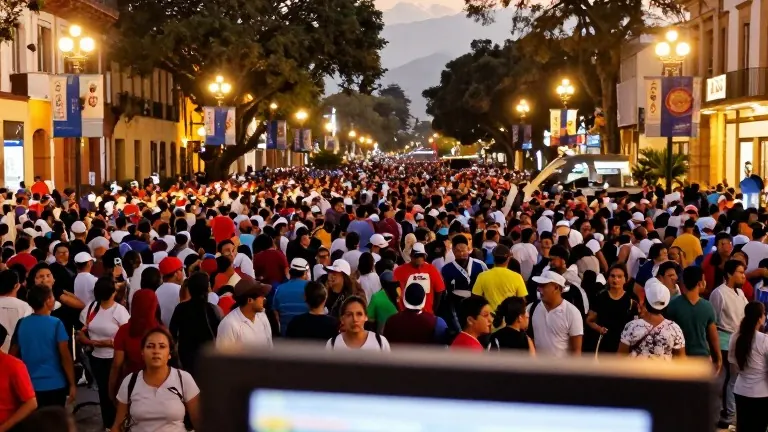
Brazil’s political stability faces an immediate test as Luiz Inácio Lula da Silva claims a fourth presidential term, a result that has triggered a legal challenge from his defeated opponent. The victory marks the culmination of a five-decade career for the first elected working-class leader of the nation, who has guided millions out of poverty.
Flávio Bolsonaro, the son of former president Jair Bolsonaro, has refused to concede the election. He has filed a motion to annul the results, citing a specific procedural change as the grounds for the dispute. The legal argument centers on a decision by a supreme court justice to extend voting hours during the election.
The move echoes the tactics of Jair Bolsonaro four years ago. The former president also rejected his initial loss to Lula before attempting a coup and later being convicted for the effort. Flávio Bolsonaro’s strategy mirrors that earlier resistance, placing the new administration in a position of strength while facing a contested transition.
Analysts suggest the legal maneuver may cause logistical delays rather than alter the final outcome. Tom Phillips, reporting from São Paulo, noted that world leaders are already recognizing Lula’s win. He stated that the result is the crescendo of an incredible and sometimes controversial career. Phillips assessed that Bolsonaro has little hope of overturning the vote despite the court filing.
The election results were finalized with Lula securing just over 50 percent of the vote. This margin is the minimum required to win in the first round under Brazil's two-round system, eliminating the need for a runoff. The decisive nature of the victory provides Lula with a mandate, even as the legal battle unfolds.
The dispute over voting hours raises questions about the integrity of the electronic voting system used across the country. By targeting the timeline of the vote rather than the count itself, Flávio Bolsonaro’s team is arguing that the extension created an uneven playing field. This specific technicality is now the focus of the judicial review.
The outcome will determine how quickly Lula can implement his policy agenda. A successful annulment would trigger a new election, potentially disrupting the economic outlook for a major global market. However, legal experts indicate that the current evidence favors the incumbent challenger, making a full recount less likely.
The situation places the Brazilian judiciary at the center of a political standoff. The court must decide whether to uphold the original result or accept the procedural challenge. Until a ruling is issued, Lula holds the position of president-elect, with the transfer of power scheduled for January 1, 2027.
The legal process will likely take several weeks to resolve. In the interim, Lula’s team is preparing for the inauguration while monitoring the court’s docket. The dispute adds a layer of uncertainty to a campaign that was already defined by a dramatic fightback against the far-right bloc.
Source: The Guardian