Brazil's Electoral Fate Hinges on the Shifting Economic Identity of Its Workers
The presidential run-off is being defined by a transition from industrial labor to the gig economy, creating a divide between traditional welfare support and new demands for flexibility.
By Jacob Leary ·
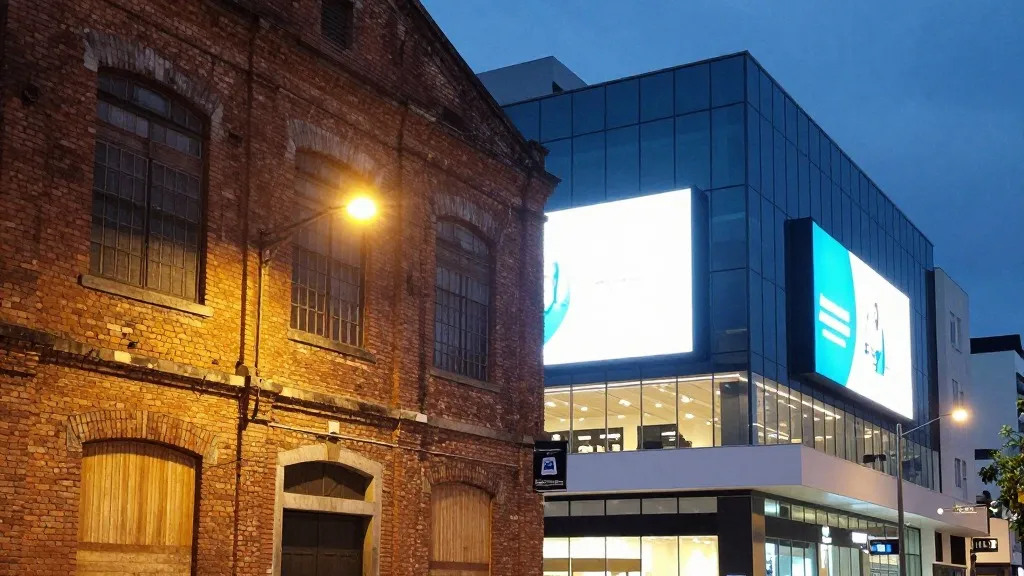
For millions of Brazilian voters heading to the polls this Sunday, the decision is no longer defined by the smoke of factory chimneys but by the screens of delivery applications. The presidential run-off between incumbent President Luiz Inácio Lula da Silva and right-wing challenger Flávio Bolsonaro is being shaped by a fundamental transformation in how ordinary citizens earn their livelihoods. This shift is altering the traditional voting patterns that have long favored the left in industrial heartlands.
In Osasco, a municipality near São Paulo once known for heavy manufacturing, the industrial landscape has largely vanished. Closed factories have been replaced by shopping malls and technology hubs, a change that flipped the local vote from Lula in 2022 to Bolsonaro in the first round of this year's election. Gilberto Almazan, a metalworkers' union leader, describes the area as suffering from strong deindustrialization. He notes that metal, chemical, and textile plants have disappeared, while five new malls have been constructed. Almazan characterizes the traditional union movement as outdated, arguing that the modern working class now seeks flexibility and freedom over the collective welfare models traditionally associated with Lula's presidency.
This trend, which Almazan terms the uberization of labor, is widespread across the country. Many Brazilians now work as drivers, couriers, or small traders. Richard Lapper, a biographer of both candidates, suggests that Brazil industrialized late and deindustrialized early, making these economic shifts particularly acute. He describes Lula as a victim of his own success, noting that while unemployment has fallen to a record low and the country was removed from the UN's Hunger Map, a crisis of expectations persists. Rising prices, household debt, and high interest rates mean that many citizens do not feel the benefits of macroeconomic improvements. This sentiment is echoed by voters like Robson, a civil servant who blames the government's mismanagement for heavy taxes, and Tairine, a hot dog seller who is switching her vote to Bolsonaro after feeling that little has changed since Lula returned to office.
Flávio Bolsonaro has proposed cutting government spending and ministries while retaining some of Lula's flagship welfare programs. He has also faced corruption accusations, which he denies. In the first round, thirty-three million people abstained from voting, the highest number since 1998. Lula's campaign is responding with large street rallies, including one in São Paulo that drew approximately one million people. The eighty-year-old president has also used social media to counter claims about his age, referring to himself as the king of selfies. Among the poorest voters, however, Lula's record still holds weight. In Rio de Janeiro's Maré favela, Lula retained support despite high abstention rates. Vitoria, an eighteen-year-old mother, praises the minimum wage increase and free medicines, while also expressing concern over Bolsonaro's plan to designate a local gang as a terrorist organization, citing recent police raids that resulted in significant loss of life.
Religious institutions are also playing a growing role in the political landscape. Evangelical churches, attended by about a quarter of the population, are providing childcare and employment advice. Pastor Silas Malafaia, who is under investigation for alleged obstruction of justice in his father-in-law's coup trial, states that Flávio Bolsonaro shares the church's values on family and abortion. Yet, the first round results suggest the vote was more a rejection of the incumbent than an endorsement of the challenger. Almazan fears there may never be another Lula, and the final outcome may depend on whether voters believe the incumbent can offer a new narrative for a transformed economy.
Source: BBC News